
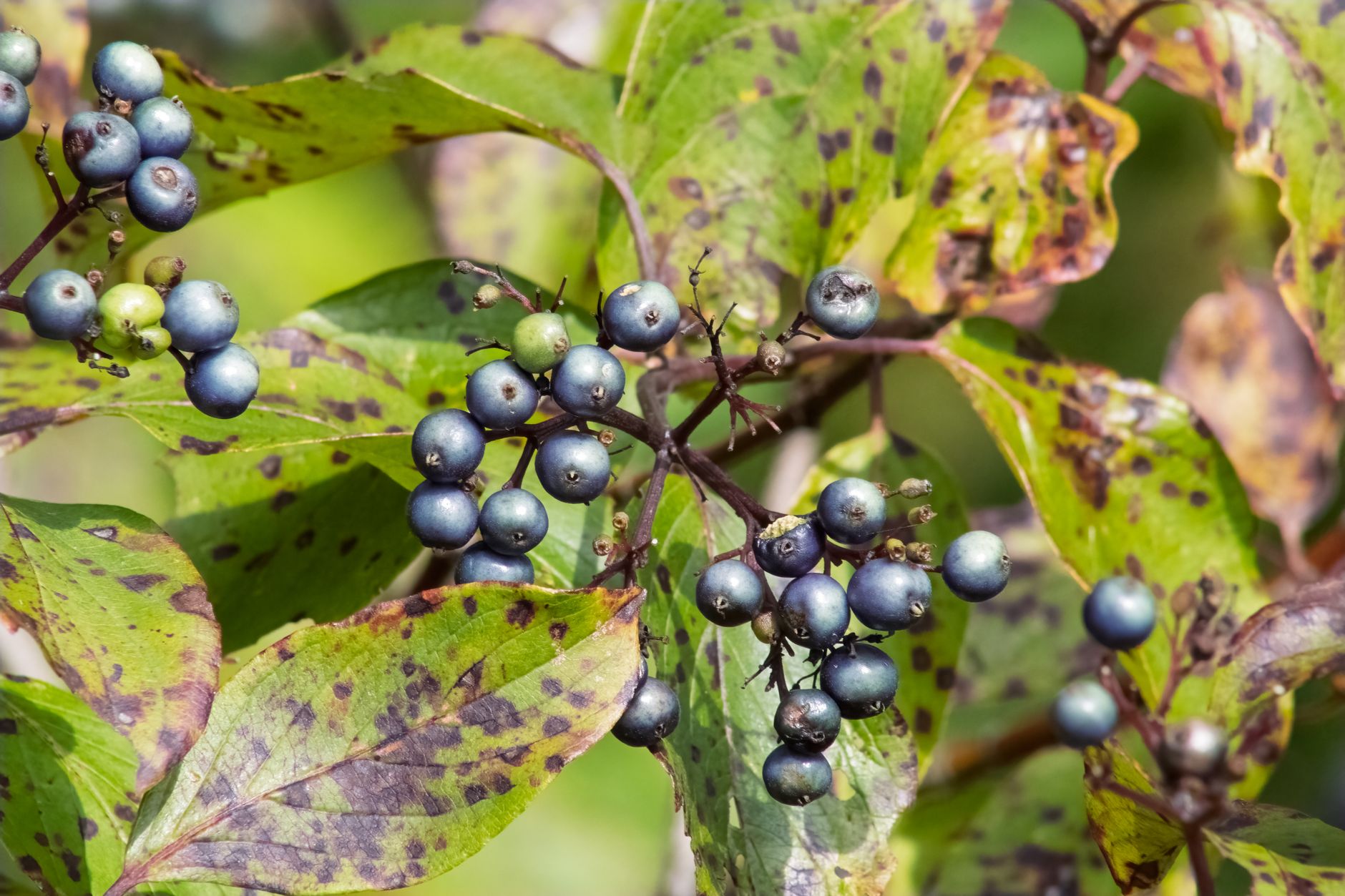
The Kousa dogwood, also known as Cornus kousa, is an ornamental tree often celebrated for its stunning flowers and unique fruit. Many may wonder if the fruit of this tree is edible, and if so, how it might be used in various culinary applications. This article will delve into the edibility of Kousa dogwood fruit, its nutritional benefits, flavor profile, and potential kitchen uses.
Understanding whether Kousa dogwood fruit is edible not only serves the curiosity of food enthusiasts but also expands the array of foraged ingredients available for culinary exploration. In this guide, explore the characteristics, flavor, and preparation methods for using Kousa dogwood fruit in your kitchen.
Is Kousa Dogwood Fruit Edible?
Kousa dogwood fruit is indeed edible and is often described as deliciously sweet with a unique texture. The fruit typically ripens in late summer to early fall and can be eaten raw or cooked. Its flavor ranges from mild to sweet, and while the fruit is safe for consumption, it is essential to prepare it properly.
Characteristics of Kousa Dogwood Fruit
The Kousa dogwood fruit resembles small, bumpy, greenish-yellow to red berries, typically measuring about an inch in diameter. Each fruit contains a few seeds surrounded by a fleshy pulp. The texture is soft, and the fruit can be easily mashed, making it suitable for various culinary applications.
Nutritional Benefits of Kousa Dogwood Fruit
While comprehensive nutritional data for Kousa dogwood fruit is limited, it is known to contain vitamins and minerals that contribute to its health benefits. The fruit is likely rich in antioxidants, which help combat oxidative stress in the body. Additionally, Kousa dogwood fruit contains fiber, promoting digestive health.
Flavor Profile of Kousa Dogwood Fruit
The flavor of Kousa dogwood fruit is often described as a mix between strawberries, kiwis, and bananas. It has a mildly sweet taste, with the flesh being soft and slightly grainy. This diverse flavor profile makes it an intriguing addition to both sweet and savory dishes.
How to Harvest Kousa Dogwood Fruit
Harvesting Kousa dogwood fruit can be quite simple. Follow these steps for a successful harvest:
- Choose a tree: Look for a healthy Kousa dogwood tree in a safe area away from pollutants.
- Check for ripeness: The fruit typically ripens in late summer to early fall. Knowing the right time to harvest is key; the fruit should feel slightly soft when gently pressed.
- Gently pick the fruit: Use your fingers to twist and pull the fruit off the tree. Avoid pulling too hard, as this can damage the tree.
- Wash the fruit: Once collected, rinse the Kousa dogwood fruit under cool water to remove any dirt or debris.
Preparing Kousa Dogwood Fruit for Consumption
Before enjoying Kousa dogwood fruit, proper preparation is essential. Follow these steps:
- Remove the seeds: Cut the fruit in half and scoop out the seeds with a spoon. The flesh can be mashed or pureed depending on your intended use.
- Cook if desired: While the fruit can be eaten raw, cooking enhances its sweetness and melds the flavors. Boiling or stewing the fruit are common methods.
- Sweeten as needed: If desired, you can add honey, sugar, or spices to enhance the sweetness of the fruit.
Kitchen Uses for Kousa Dogwood Fruit
Kousa dogwood fruit can be used in a variety of culinary applications. Here are some ideas:
1. Jams and Jellies
Kousa dogwood fruit can be turned into a delicious jam or jelly. Its natural sweetness lends itself well to these preserves. To make a simple jam:
- Combine equal parts fruit and sugar in a pot.
- Add a splash of lemon juice for acidity and flavor.
- Cook on medium heat until the mixture thickens, stirring frequently.
- Pour into sterilized jars and seal.
2. Smoothies and Shakes
The soft flesh of Kousa dogwood fruit blends seamlessly into smoothies and shakes. Combine it with yogurt, milk, or fruit juice for a nutrient-rich drink.
3. Desserts
Incorporate Kousa dogwood fruit into desserts like pies, tarts, or cakes. The fruit’s sweetness complements flavors like vanilla, lemon, and spices.
4. Savory Dishes
This fruit can also be added to savory dishes. Consider mixing it into salads, salsas, or glazes for meats. The mild flavor pairs well with proteins, adding a unique twist to traditional recipes.
Substitutions and Variations
If Kousa dogwood fruit is unavailable, consider the following substitutions:
- Mulberries: Similar in size and sweetness, mulberries can be a good alternative in recipes.
- Blackberries: Their sweet-tart flavor can mimic Kousa dogwood fruit in jams and desserts.
- Raspberries: Although slightly more tart, raspberries can be substituted with adjustments in sugar content.
Common Mistakes When Using Kousa Dogwood Fruit
When working with Kousa dogwood fruit, keep the following in mind:
- Overcooking can result in a mushy texture; monitor cooking time closely.
- Not removing the seeds can lead to an unpleasant texture in jams and desserts.
- Using unripened fruit can result in a less sweet flavor; ensure optimal ripeness before harvesting.
Storage and Preservation
To store ripe Kousa dogwood fruit, place it in a cool, dry place or refrigerate for up to a week. If you wish to preserve it:
- Freeze the fruit: Wash and prepare the fruit, then spread it out on a baking sheet to freeze individually before transferring to airtight freezer bags.
- Can the fruit: Using a hot water bath canning method, you can preserve Kousa dogwood fruit for long-term storage.
Conclusion
Kousa dogwood fruit is not only edible but also versatile in various culinary uses. From jams and desserts to savory dishes, this fruit offers a unique flavor and texture worth exploring. Experiment with your harvested Kousa dogwood fruit, keeping in mind proper preparation and storage methods to enjoy its benefits fully.
For those looking to expand their culinary repertoire further, consider discovering new recipes, cooking tips, or food guides. Explore options for delicious smoothies, creative dessert recipes, or ideas for using fresh fruit in savory dishes.