
The term “ibu” can be a bit elusive, depending on where you’re looking; however, it’s commonly associated with a type of Indonesian dish. Ibu essentially refers to a mother or female figure in Indonesian and Malay culture, representing warmth, comfort, and a nurturing approach to food. This article aims to unpack what ibu signifies in the culinary context, including the ingredients often used, the flavor profiles associated with ibu dishes, and practical ways to serve them.
As we explore the nuances of ibu cuisine, we will delve into the flavors, cooking techniques, and essential components that make this culinary style unique. Whether you’re planning an Indonesian-themed dinner or just wishing to understand the cultural significance of ibu, you’ll find invaluable insights and practical tips here.
What Is an Ibu?
Ibu refers to a deep-rooted concept in Indonesian culture intertwined with culinary practices. Though not a specific dish, ibu represents the cooking styles, flavors, and traditional recipes passed down through generations. Dishes associated with ibu often emphasize comfort, home-cooked meals, and the use of fresh, local ingredients, fostering a sense of hospitality and warmth.
The Ingredients of Ibu Cuisine
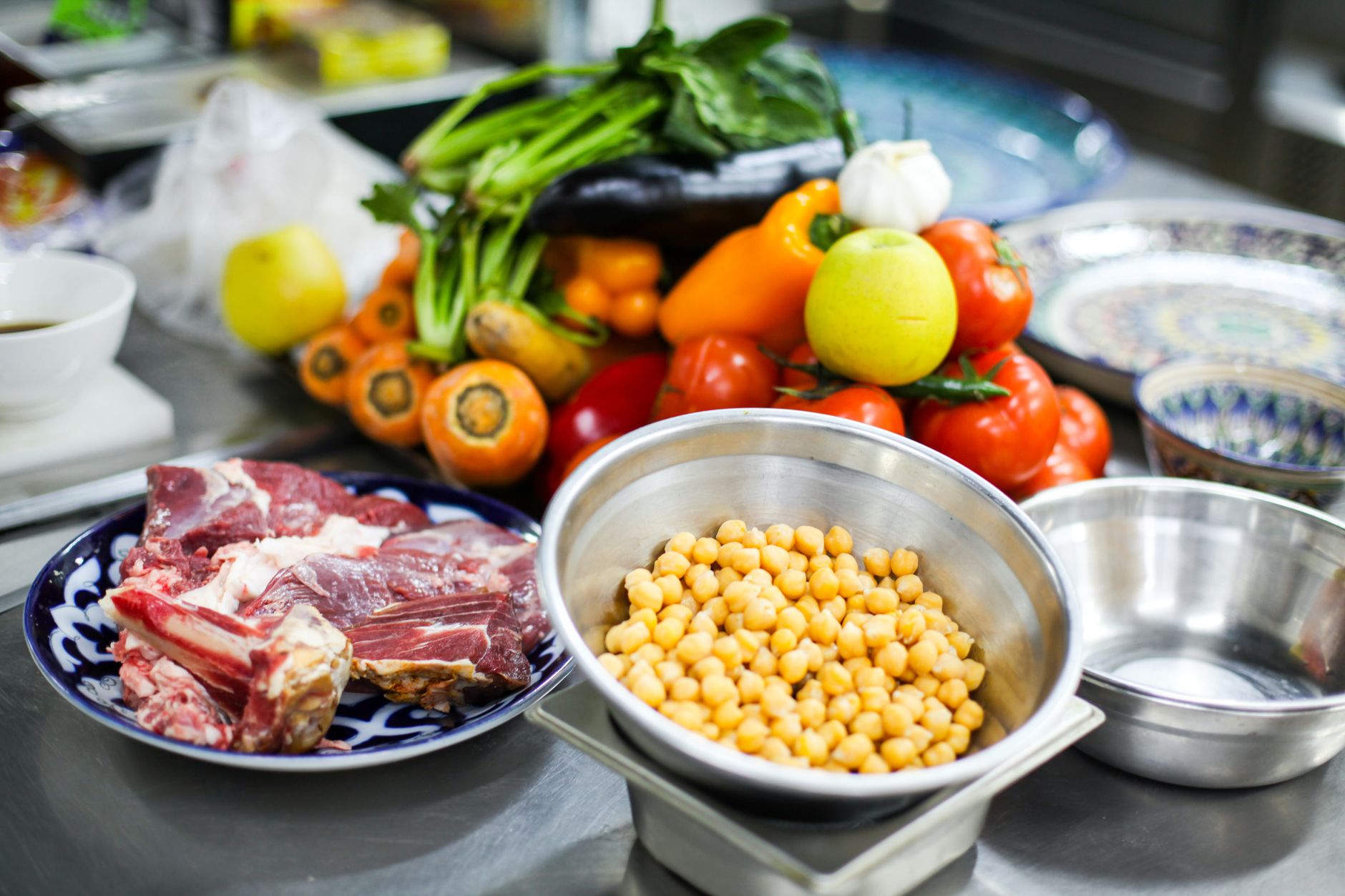
Understanding the ingredients that are commonly used in ibu cuisine is vital to appreciating its flavors and textures. Below is a list of typical ingredients that characterize this culinary style.
- Rice: Often a staple carb in Indonesian meals, rice is usually served as the base for many dishes.
- Spices: Commonly used spices include turmeric, lemongrass, ginger, garlic, and chili, which add depth and complexity to the dishes.
- Protein: Traditional proteins can range from chicken, beef, fish, and tofu, allowing for a broad spectrum of flavors and nutrition.
- Vegetables: Fresh vegetables such as bok choy, beansprouts, and carrots are essential for adding color and nutrition.
- Herbs: Fresh cilantro, basil, and mint often enhance the freshness of the dishes.
- Fermented ingredients: Ingredients like shrimp paste and soy sauce are common in many recipes, adding umami flavors.
- Coconuts: Coconut milk is used in many traditional dishes, contributing richness and a slight sweetness.
Flavor Profiles in Ibu Dishes
The flavor profiles in ibu cuisine are vibrant and diverse. Here, we discuss some of the key flavor notes and characteristics you can expect.
Spicy and Savory
Many ibu dishes boast a spicy feel due to the use of various chilies and spices. The balance of savory flavors enhances the overall experience, making each bite satisfying.
Fresh and Bright
The addition of fresh herbs and vegetables also gives ibu meals a bright quality. Herbs like cilantro and lime leaves often cut through the richness of coconut milk and meats.
Sweet and Rich
This cuisine often incorporates sweet notes, particularly through the use of coconut milk and palm sugar, balancing the heat from spices and adding a comforting richness.
How to Serve Ibu Dishes
Serving ibu dishes is as much about presentation as it is about flavor. Following are some practical tips on how to serve these types of meals.
Create a Balanced Plate
When serving ibu-inspired meals, aim for a balance of protein, carbohydrates, and vegetables. Consider the following combinations:
- Main Dish: Choose a protein such as ayam rendang (beef rendang) or sayur lodeh (vegetable curry).
- Side Dish: Include a serving of fragrant rice, such as nasi goreng, for a satisfying base.
- Accompaniments: Fresh vegetables like sambal or pickled cucumbers provide contrasting textures and flavors.
Family-Style Serving
Ibu meals are often served family-style, meaning dishes are placed in the center of the table for sharing. This not only encourages interaction but also embodies the spirit of community often found in Indonesian dining cultures.
Practical Recipe Ideas
To help you get started, here are some practical ibu-inspired recipe ideas that embrace typical ingredients and flavor profiles. They serve as comfort food favorites that are perfect for gatherings or weeknight dinners.
1. Ayam Rendang (Spicy Beef Curry)
This dish epitomizes ibu cuisine with its bold flavors and rich texture. Traditionally slow-cooked, ayam rendang is a true indulgence.
Ingredients
- 2 pounds beef (chuck or brisket), cut into chunks
- 1 can (400 ml) coconut milk
- 2 tablespoons vegetable oil
- 2 onion, finely chopped
- 6 cloves garlic, minced
- 2 inches ginger, minced
- 3-4 red chilies, finely chopped (adjust to taste)
- 1 tablespoon tamarind paste
- 1 tablespoon brown sugar
- Salt, to taste
- Fresh cilantro, for garnish
Preparation Steps
- Heat oil in a large pot over medium heat and sauté the onions until translucent.
- Add garlic, ginger, and chilies, cooking for an additional 2-3 minutes or until fragrant.
- Add the beef chunks, stirring to coat them in the spice mixture.
- Pour in coconut milk, tamarind paste, and brown sugar. Season with salt.
- Bring to a simmer, then reduce heat, cover, and let it cook for 1.5 to 2 hours until the beef is tender.
- Serve hot, garnished with chopped cilantro, alongside rice.
2. Sayur Lodeh (Vegetable Curry)
This delightful vegetable curry is a comforting dish that can be customized with your favorite seasonal veggies.
Ingredients
- 1 can (400 ml) coconut milk
- 2 cups of mixed vegetables (carrots, beansprouts, eggplant, zucchini)
- 2 tablespoons vegetable oil
- 1 onion, chopped
- 3 cloves garlic, minced
- 2 inches ginger, minced
- 2 red chilies, chopped (optional)
- 1 tablespoon shrimp paste
- Salt, to taste
- Fresh basil leaves, for garnish
Preparation Steps
- In a pot, heat the oil over medium heat. Sauté onions until soft.
- Add garlic, ginger, and chilies, cooking until fragrant.
- Add the mixed vegetables and stir-fry for around 5 minutes.
- Pour in coconut milk and shrimp paste. Season with salt.
- Simmer for about 15-20 minutes until the vegetables are tender.
- Serve garnished with fresh basil leaves.
Common Mistakes to Avoid
When preparing ibu-inspired dishes, certain pitfalls may detract from your meal’s quality. Here are some common mistakes and how to avoid them:
- Using Low-Quality Ingredients: Fresh, high-quality ingredients make a significant difference in flavor. Opt for locally sourced, seasonal produce whenever possible.
- Overcooking Proteins: Be cautious not to overcook meats, especially when making curries. They should be tender yet not dry; use a meat thermometer to check for doneness.
- Neglecting to Balance Flavors: Always taste your dishes as you cook. Balancing heat, sweetness, and acidity will elevate the meal.
Make-Ahead and Storage Tips
Preparing ibu dishes can be made easier with some make-ahead strategies. Here are some tips:
Make-Ahead Preparation
Many ibu recipes, particularly curries, actually improve in flavor when made in advance. Cooking these dishes a day before allows spices to meld and flavors to develop.
Storage Guidance
For best results, store leftovers in airtight containers. Most ibu dishes can be safely refrigerated for 3-4 days or frozen for longer duration.
Reheating
When reheating, do so gently on the stovetop over low heat to prevent separation of ingredients, especially coconut milk-based dishes.
Exploring Variations of Ibu Dishes
While traditional ibu dishes are beloved, there is room for creativity. Here are some variations you might consider:
- Plant-Based Options: Swap out meat for tofu or tempeh to create delicious vegan versions of classic dishes.
- Gluten-Free Adaptations: Many ibu recipes are naturally gluten-free, but always check ingredients like soy sauce for gluten content.
- Regional Variants: Explore the Indonesian archipelago’s diversity by trying recipes from specific regions, which often utilize local ingredients and techniques.
Conclusion
Ibu cuisine embodies comfort, rich flavors, and cultural traditions, providing warmth through its culinary practices. By understanding its foundational ingredients and techniques, anyone can appreciate or create wonderful meals rooted in the concepts of family and togetherness. Experimenting with ibu-inspired recipes allows you to connect with a broader cultural narrative while simultaneously enjoying delicious, hearty meals. Start your journey by exploring these flavor-rich recipes, and don’t hesitate to make them your own!
For additional culinary insights, consider checking out what makes a good substitute for rosemary or learn about what molasses is made from for your cooking adventures.