
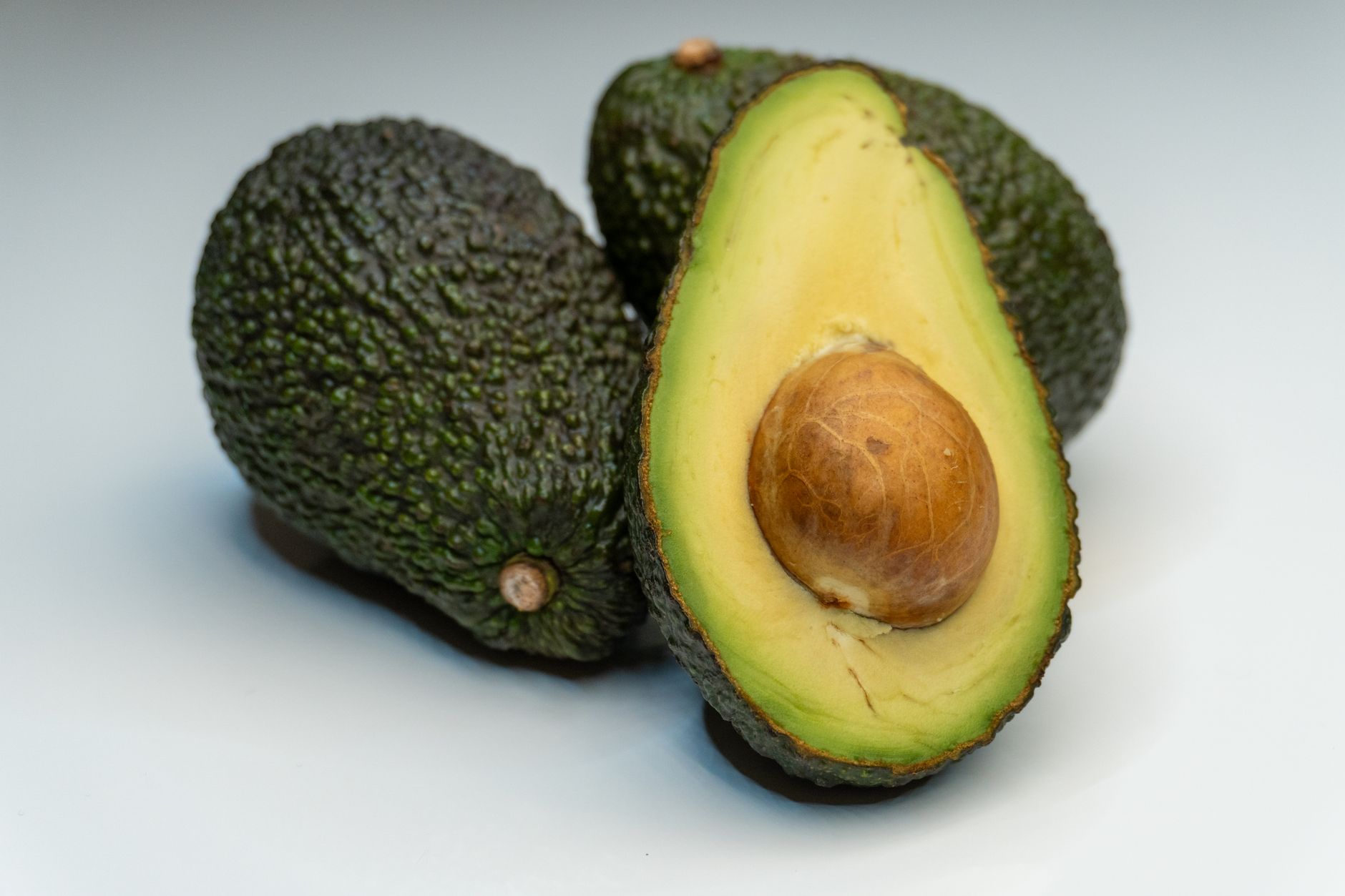
Avocados are a favorite ingredient for many, celebrated for their creamy texture and rich flavor. However, one common concern is what happens when they turn brown. This article explores the question: Can you eat avocado when it turns brown? We’ll delve into why avocados brown, discuss food safety, and offer creative ways to use them even after they’ve changed color.
Understanding how to handle brown avocados can help reduce food waste and provide delicious options for your meals. Let’s break this down and empower you with knowledge about avocados, their storage, and how to make the most of them even when they don’t look their freshest.
Can You Eat Avocado When It Turns Brown?
Yes, you can eat avocado when it turns brown. Brown avocados are often safe to eat, as the browning is primarily due to oxidation—a natural process that occurs when the flesh is exposed to air. While the color change may indicate that the avocado is no longer fresh in terms of taste or texture, it is typically not harmful to consume. However, it’s essential to assess the avocado for other signs of spoilage before eating it.
Understanding the Browning Process
The browning of avocados occurs due to enzymatic oxidation. When an avocado is cut open and exposed to air, the enzyme polyphenol oxidase reacts with oxygen, causing the flesh to turn brown. This process can start almost immediately after cutting. Factors influencing browning include:
- Exposure to air
- Ripeness of the avocado when cut
- Temperature and storage conditions
Signs of Browning
When checking a brown avocado, consider the following:
- Color: The flesh may appear dark brown or gray.
- Texture: It might become mushy or slimy.
- Smell: A sour or musty odor indicates spoilage.
When to Avoid Eating Brown Avocado
If the avocado has an off smell, a slimy texture, or visible mold, it should not be eaten. Additionally, if you observe large areas of brown that feel firm, it might be an indication of overripeness. In such cases, it’s best to discard the fruit.
Ways to Use Brown Avocado
Even if an avocado has turned brown, it can still be usable in various recipes. Here are creative ways to incorporate brown avocado into your meals:
1. Smoothies
Brown avocados can be blended into smoothies, where the color won’t be an issue. Here’s a simple recipe:
- 1 brown avocado
- 1 banana
- 1 cup spinach
- 1 cup almond milk or yogurt
- 1 tablespoon honey or maple syrup (optional)
- Peel and pit the avocado.
- Add all ingredients to a blender.
- Blend until smooth, adjusting consistency with more milk if desired.
2. Guacamole
Whether fresh or brown, avocados are perfect for guacamole. Brown ones can add a tasty twist with added lime juice and spices:
- 2 brown avocados
- 1 lime (juiced)
- 1 clove garlic (minced)
- 1/2 onion (finely chopped)
- 1 tomato (diced, optional)
- Salt and pepper to taste
- In a mixing bowl, mash the avocados.
- Add lime juice and garlic, mixing well.
- Stir in onion, tomato, salt, and pepper. Serve with chips or veggies.
3. Salad Dressings
A brown avocado can be transformed into a creamy salad dressing. Combine it with olive oil and vinegar for a delicious dressing:
- 1 brown avocado
- 1/4 cup olive oil
- 2 tablespoons apple cider vinegar
- 1 tablespoon Dijon mustard
- Salt and pepper to taste
- Blend all ingredients until smooth.
- Adjust seasoning and consistency with water if necessary.
4. Baking with Avocado
Brown avocados can also be used in baking. They work well as a fat substitute in recipes such as muffins or brownies:
- 1 cup mashed brown avocado (replace with oil or butter at a 1:1 ratio)
- Your favorite muffin or brownie recipe ingredients as needed
- Substitute mashed avocado for the fat in the recipe.
- Bake according to your recipe instructions.
Food Safety Tips for Storing Avocados
Proper storage can help minimize browning and extend the life of your avocados. Here are some tips:
1. Whole Avocados
If your avocados are uncut, store them at room temperature. Once ripened, you can place them in the refrigerator to slow down the ripening process.
2. Cut Avocados
To prevent browning when stored, wrap cut avocados tightly with plastic wrap or store them in an airtight container. Adding lemon or lime juice to the cut surface can also help, as the acidic juice slows down oxidation.
3. Refrigeration
For partially used avocados, refrigerating them can help preserve the flesh’s quality. Use them within a day or two for the best flavor and texture.
Common Mistakes and Troubleshooting
When handling avocados, some common mistakes can lead to wasted fruit:
1. Not Refrigerating After Cutting
Cut avocados will brown quickly if left out. Always refrigerate within two hours of cutting to maintain freshness.
2. Using Dull Knives
Using dull knives can bruise the flesh, leading to browning. Ensure you’re using a sharp knife for clean cuts.
3. Ignoring Freshness Indicators
Don’t overlook odor and texture signs. A slight browning on the surface can often be scraped away, but if the smell is off, it’s best to toss the avocado.
Conclusion
In summary, it is perfectly safe to eat avocados that have turned brown, provided there are no additional spoilage signs. By knowing how to store and utilize browning avocados, you can minimize food waste and maintain their delicious taste. Whether you choose to add them to smoothies, make guacamole, whip up dressings, or bake with them, brown avocados can still shine in your kitchen.
Explore more delicious ways to enjoy avocados with our Avocado Bread Recipe and elevate your meals with our Avocado Crema Recipe.