
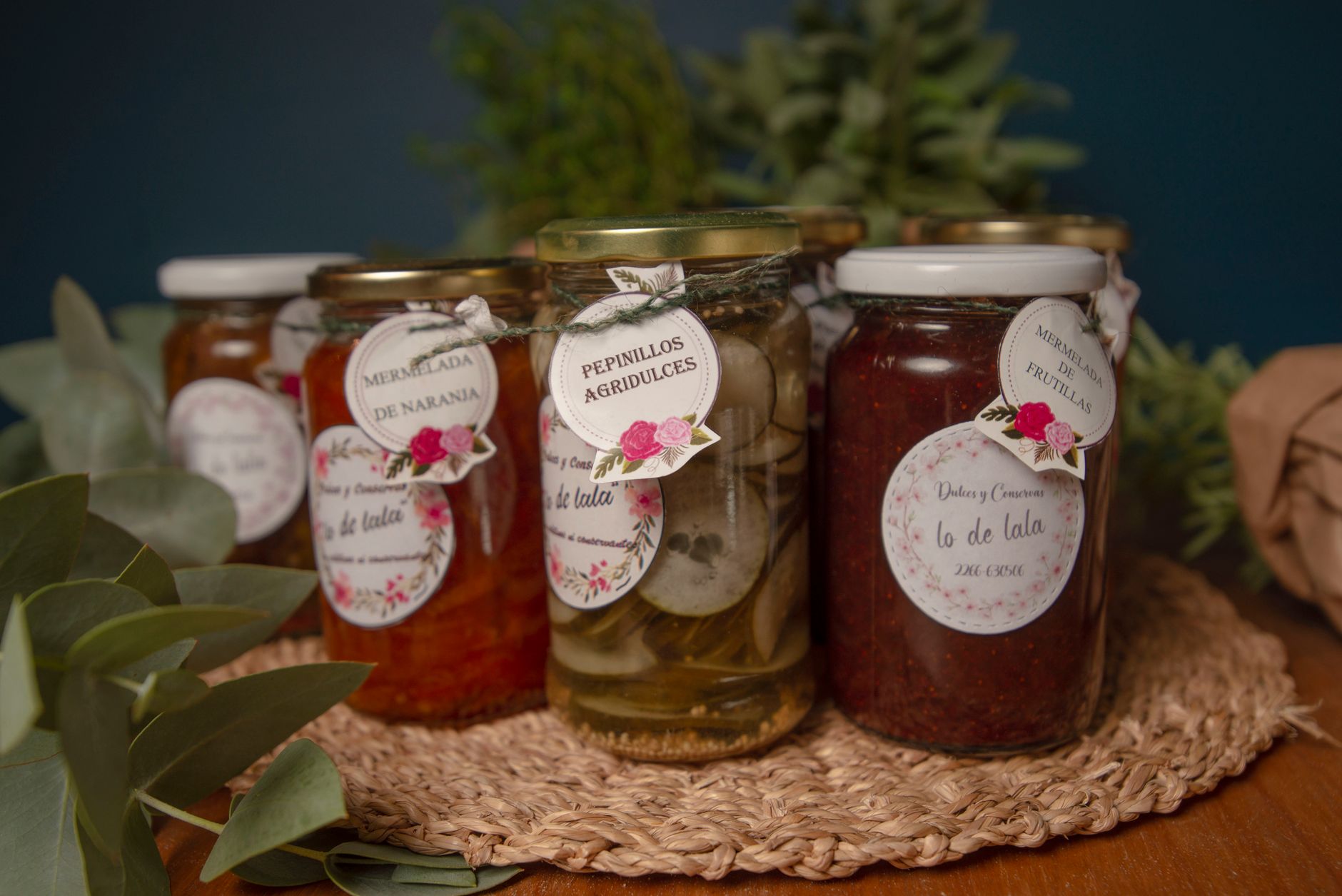
Traveling can often feel like operating through a rigorous checklist, especially when it comes to bringing food items on a plane. Jam is a beloved condiment, often used to enhance the flavor of everything from morning toast to desserts. But can you bring jam on a plane without encountering issues? Understanding the rules surrounding food items in your carry-on or checked luggage can help you avoid any surprises.
This guide explores the regulations for bringing jam on a plane, as well as practical tips for transporting food safely. You’ll also learn about various types of jam and their culinary uses, so you can be informed whether you’re traveling or simply enjoying jam at home.
Can You Bring Jam on a Plane?
Yes, you can bring jam on a plane, but there are certain rules and guidelines to follow. In general, jelly and jam are considered liquids by the Transportation Security Administration (TSA), meaning they are subject to liquid restrictions when flying domestically in the United States. If you plan to take jam on board as part of your carry-on luggage, it must comply with the 3-1-1 rule, which allows liquids in containers of 3.4 ounces (100 milliliters) or less, all fitting in a single quart-sized bag.
For those traveling internationally, it is essential to check the regulations of the destination country, as they may have additional restrictions on food items, including jams and preserves. Below, we’ll dive deeper into specific regulations and offer helpful tips for packing jam effectively.
Understanding Air Travel Regulations
Domestic Flights in the United States
For flights within the U.S., the TSA has strict guidelines when it comes to liquids. Under the 3-1-1 rule, each person may carry one quart-sized bag of liquids, gels, and aerosols. This includes items such as:
- Jams
- Jellies
- Honey
- Syrups
Each container must be 3.4 ounces or less. If you’re planning on taking a larger jar of jam, it’s best to check it in your luggage instead of trying to carry it through security.
International Travel
When flying internationally, different countries may have distinct laws regarding bringing liquids, including jams. Always check the specific customs regulations of the country you are visiting. Some countries may restrict bringing any homemade foods or may have limits on certain fruits and vegetables that you might not think of when packing jars of jam.
How to Properly Pack Jam for Air Travel
Tips for Packing Jam in Carry-On Luggage
When you have decided to take jam as part of your carry-on, here’s how to prepare and package it:
- Use Small Containers: Purchase travel-sized containers specifically designed for liquids. Make sure each jar is 3.4 ounces or less.
- Label Your Containers: Clearly label each container with its contents. This helps speed up the security process.
- Protect Against Breakage: Wrap glass jars in bubble wrap or place them in a padded container to minimize the risk of breakage.
- Place in a Quart-Sized Bag: All your liquid items, including jam, must fit into a single quart-sized zip-lock bag for security screening.
Tips for Packing Jam in Checked Luggage
If you opt to bring larger jars of jam, packing them in checked luggage is a viable option:
- Seal Tightly: Ensure that the lid is tightly sealed to prevent leaking during transport. Consider wrapping the jar with plastic wrap or placing it in a zip-lock bag as added protection.
- Use Cushioning: Pack jars surrounded by soft items like clothes or towels to help absorb shock and prevent breakage.
- Pack Last: Place jam jars at the top of your checked bag so they can be easily accessed during security checks if needed.
Culinary Uses of Jam
Jam is incredibly versatile, adding flavor from breakfast to dessert. Here are various ways to use jam in your cooking:
Breakfast Dishes
For a sweet start to the day, consider:
- Spread on toast or bagels for a quick breakfast.
- Mix into yogurt or oatmeal for added sweetness and flavor.
- Incorporate into pancake or waffle batter for a fruity twist.
Baking
Jam can elevate your baked goods, such as:
- Adding to cake batters or using as a filling in layer cakes.
- Swirling through muffins or bread for an unexpected burst of flavor.
- Creating thumbprint cookies where a dollop of jam makes the treat delightful.
Desserts
In the dessert realm, jam works wonderfully as:
- An ice cream topping for a sweet finish.
- A glaze for fruit tarts or pastries.
- A filling in pastries such as Danish or hand pies.
Choosing the Right Jam for Your Needs
Different types of jam offer various flavors, textures, and uses. Understanding these can help you select the right one:
Types of Jam
- Traditional Jam: Made from fruit pulp and sugar, providing a spreadable consistency. Best for general use.
- Fruit Preserves: Contains whole fruit pieces, ideal for those who enjoy the texture. Great for topping toast.
- Fruit Jelly: Strained to leave only the juice, which gives a clear, smooth texture. Ideal for dishes that require a syrupy element.
- Sugar-Free Jam: Made with sugar substitutes, perfect for those monitoring sugar intake.
How to Select Quality Jam
When purchasing jam, consider the following tips:
- Check Ingredients: Aim for jams with minimal ingredients. The best options have fruit and sugar, possibly pectin.
- Look for Quality Marks: If buying commercially, look for organic or non-GMO labels when possible.
- Smell and Test: If available, smell and taste samples to find a flavor and texture you enjoy.
Practical Alternatives to Jam
Sometimes, you might need a substitute for jam. Here are some alternatives and their specific uses:
- Fruit Butter: Made by cooking apples or other fruits down until smooth. Can offer a similar flavor with less sugar.
- Fruit Syrups: Thinner than jam, great for drizzling over pancakes or ice cream.
- Nut Butters with Chopped Fruit: For a nutty variation, mix any nut butter with chopped fruits for texture and flavor.
Common Mistakes to Avoid with Jam
When packing jam or using it in recipes, be cautious of these common errors:
- Ignoring Liquid Restrictions: Always measure the contents if you’re taking jam on board. Never assume larger jars will get through security.
- Overpacking: Too much jam can lead to spills or excess weight in your luggage. Bring only what you’ll need.
- Storing Improperly: Always refrigerate after opening and follow storage instructions on the label for best flavor.
Make-Ahead and Storage Tips
If you’re making jam at home, ensure proper canning methods or storage techniques:
- Canning Guidelines: Use validated canning methods to make sure your jam is preserved safely for later use.
- Refrigeration: Once opened, fresh jam typically lasts one to three weeks in the refrigerator. Check for smell or texture changes if it’s been around longer.
- Freezing: Consider freezing if you have a large quantity. Use freezer-safe jars, leaving headspace for expansion.
Serving Suggestions for Jam
When serving jam, consider these creative ideas:
- Pairing with cheese boards for a sweet contrast with meats and cheeses.
- Adding spoonfuls to cocktails or spritzers for a fruity kick.
- Incorporating into sandwich recipes, layering with peanut butter or cream cheese for a unique twist.
Next Steps Before Traveling
Before your trip, ensure you review both your home country’s and your destination’s food regulations. Properly pack your preferred jam in compliance with TSA guidelines and enjoy its delightful flavors throughout your travels. Happy travels and tasty adventures await!
If you’re looking for more delicious recipes, including ways to use fruit, try our Pear Jam Recipe or Quince Jam Recipe. Discover the joys of jams and preserves today!