
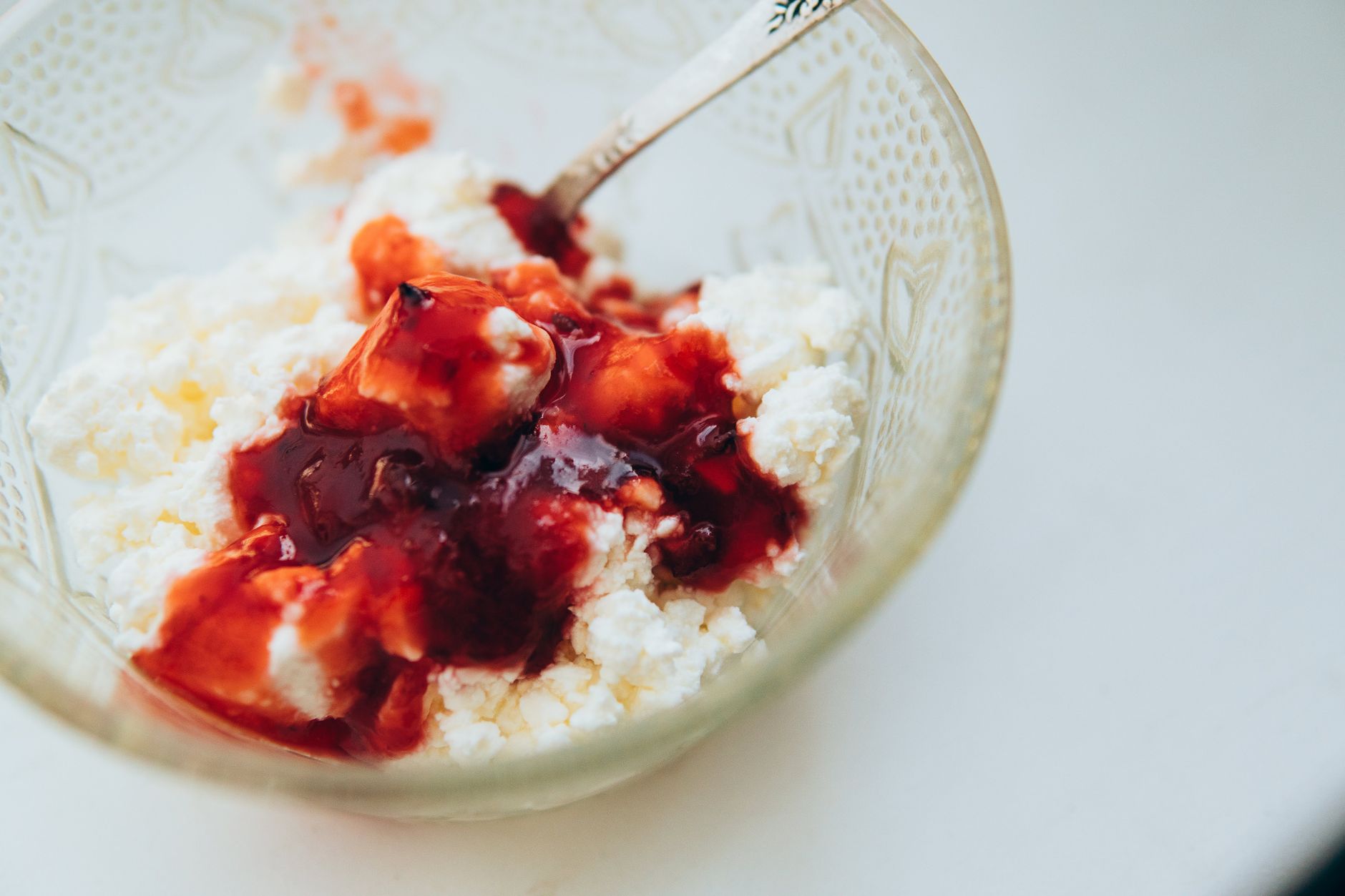
Cottage cheese has been a staple in many kitchens for decades, celebrated for its versatility and nutritional value. Yet, many people may wonder: does cottage cheese taste good? Understanding its flavor, texture, and the best ways to enjoy it can help anyone appreciate this ingredient more.
This article delves into the taste of cottage cheese, examining its unique attributes, pairing options, and potential culinary uses. Whether you’re a long-time fan or a curious newcomer, this exploration aims to provide a comprehensive view of cottage cheese to answer the lingering question of its appeal.
Does Cottage Cheese Taste Good?
Yes, cottage cheese does taste good, but its flavor and texture are unique and may not be for everyone. It has a mild, slightly tangy flavor with a creamy yet chunky texture. This makes it a versatile ingredient that can be paired with numerous foods and used in various dishes.
The Flavor of Cottage Cheese
The flavor profile of cottage cheese is mild and subtly tangy. This light tanginess comes from the fermentation process during its production, which includes adding live bacteria cultures to pasteurized milk. The result is a fresh, dairy taste that is generally likable.
One of the remarkable features of cottage cheese is its adaptability to different flavor profiles. It can easily be enjoyed as a sweet dish with fruits and honey or incorporated into savory dishes with herbs and spices. This versatility is one of the key reasons why cottage cheese has a dedicated following.
The Texture of Cottage Cheese
Texture plays a significant role in how cottage cheese is perceived. Its consistency ranges from loose and wet to firm and dry, depending on the brand and style purchased. The curds are small, soft, and slightly chewy, providing a unique mouthfeel that many find enjoyable. This contrasts with creamier cheeses and makes it a preferred choice for those who appreciate varied textures in their meals.
Types of Cottage Cheese
Cottage cheese comes in different styles, and knowing these can help you find one that fits your taste best:
- Small-Curd Cottage Cheese: Characterized by its tiny curds, this type is typically creamier and considered easier to mix into various dishes.
- Large-Curd Cottage Cheese: This style features larger curds and a firmer texture, making it excellent in recipes where a sturdier ingredient is desired.
- Low-Fat and Non-Fat Cottage Cheese: These varieties offer a healthier option, but may lack some creaminess, resulting in a slightly different taste.
Health Benefits of Cottage Cheese
Beyond its flavor, cottage cheese is celebrated for its health benefits. It is a high-protein, low-fat dairy option that can be particularly appealing to fitness enthusiasts and those watching their caloric intake. A usual serving provides an excellent source of calcium, B vitamins, and other essential nutrients.
Because it is high in protein while being lower in carbohydrates, cottage cheese can be a satiating addition to meals and snacks, helping to curb hunger without excess calories.
Pairing Suggestions for Cottage Cheese
Cottage cheese’s mild flavor blends well with a variety of ingredients, making it simple to enhance or modify its taste. Here are some pairing suggestions:
Sweet Pairings
- Fruits: Berries, peaches, and pineapple are delicious additions that balance the cottage cheese’s tangy flavor.
- Honey or Maple Syrup: Drizzling a little sweetness can transform cottage cheese into an inviting dessert or breakfast option.
- Nuts and Seeds: Almonds, walnuts, or chia seeds contribute a satisfying crunch and additional nutrients.
Savory Pairings
- Herbs and Spices: Fresh dill, chives, garlic powder, or onion powder can complement the flavor profile, making it ideal for savory dishes.
- Vegetables: Incorporating chopped cucumbers, bell peppers, or tomatoes can create a refreshing salad.
- Whole Grain Crackers or Bread: Pairing cottage cheese with whole grain snacks enhances both the flavor and texture of the dish.
Creative Ways to Use Cottage Cheese
Cottage cheese can be a versatile ingredient in cooking and baking. Here are some practical ways to include it in your diet:
Breakfast Ideas
- Cottage Cheese with Fruits: Start your day with a bowl of cottage cheese topped with your choice of fruits, nuts, and a drizzle of honey.
- Smoothies: Blend cottage cheese with your favorite fruit and a splash of milk for a high-protein smoothie.
Lunch and Dinner Dishes
- Stuffed Peppers: Use cottage cheese in place of or in addition to rice or meat to create a heartier stuffed pepper.
- Salads: Add it to salads for extra protein and creaminess, or use it in dressings to create healthier versions.
Snacks and Dips
- Cottage Cheese Dip: Blend cottage cheese with herbs for a delightful dip for veggies or chips. Try a simple recipe at Cottage Cheese Dip Recipe.
- Spread: Use it as a spread on whole-grain bagels or sandwiches, enhanced with your favorite seasonings.
Desserts
- Cottage Cheese Brownies: Incorporate cottage cheese into brownie batter for a moist texture and added protein. Find a great recipe at Cottage Cheese Brownie Recipe.
- Cottage Cheese Mousse: Whip cottage cheese with chocolate or fruit puree to create a light, nutritious dessert. More details available at Cottage Cheese Mousse Recipe.
Common Mistakes and Troubleshooting
When incorporating cottage cheese into your cooking, certain missteps can detract from the experience:
Choosing the Right Type
Not all cottage cheese is the same, and selecting the right type for your dish is crucial. Small-curd varieties work well as spreads, while larger curds can be better for salads or savory dishes.
Over-Dressing or Over-Seasoning
Because of its mildness, cottage cheese can quickly become overwhelmed by strong flavors. It is best to start with smaller amounts of added ingredients and adjust to taste.
Texture Issues
Some may experience that cottage cheese appears too dry or lumpy. Adding a little milk or yogurt can help create a creamier texture, making it more palatable.
Storage and Reheating Cottage Cheese
To maintain freshness, it’s essential to store cottage cheese properly. Unopened cottage cheese can last until the expiration date, but once opened, it should be consumed within about a week for optimal flavor and safety.
Cottage cheese can be refrigerated or frozen, though freezing may change its texture slightly. If you choose to freeze it, thaw it in the refrigerator and give it a good stir before using it in recipes.
Is Cottage Cheese Right for You?
If you’re looking for a versatile, nutritionally rich food that can enhance both sweet and savory dishes, cottage cheese is worth considering. It is ideal for many diets, whether you’re vegetarian, watching your weight, or simply looking for a nutrient-dense food.
Conclusion
Cottage cheese has a distinct taste that may not appeal to everyone at first, but its versatility in flavors and countless culinary uses are undeniable. With so many pairing options and delicious recipe ideas to explore, there’s a good chance you will find a way to enjoy this nutritious dairy staple. If you’re curious, take the plunge and experiment with some cottage cheese recipes and servings.
For more creative recipes and ideas using cottage cheese, explore Cottage Cheese Flatbread Recipe, Cottage Cheese Bagel Recipe, and Cottage Cheese Chips Recipe to inspire your culinary adventures!