
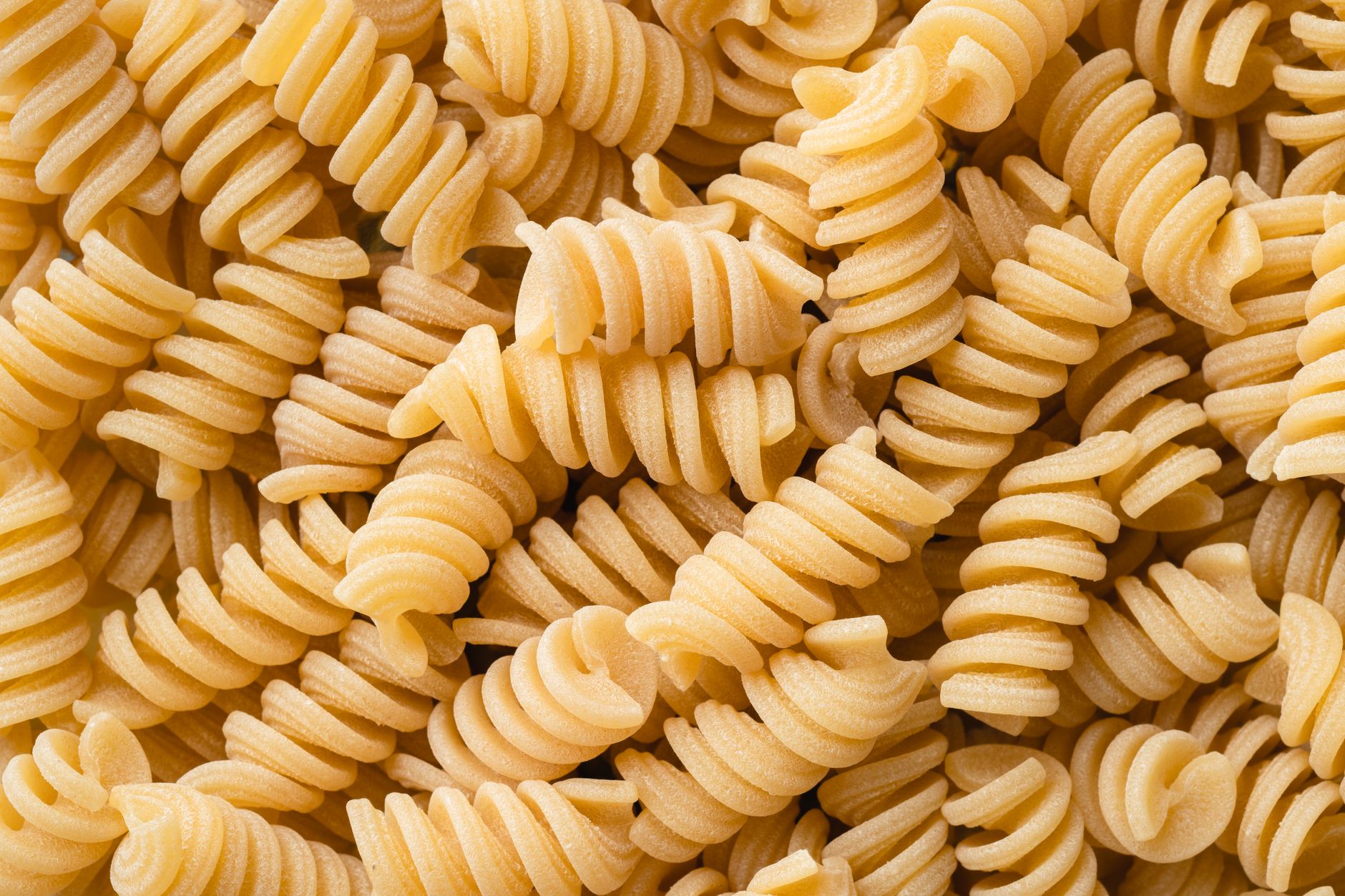
Rotini pasta, with its spiral shape and ridges, is a versatile ingredient that absorbs sauces beautifully, making it a favorite for a variety of dishes. Knowing how long to boil rotini pasta is essential for achieving that perfect al dente texture. This article offers a comprehensive guide on preparing rotini pasta, including cooking times, tips, and troubleshooting advice.
Whether you are planning a homemade pasta night or whipping up a quick weeknight meal, understanding the timing and technique for boiling rotini is a skill that will elevate your dishes. Dive into this guide to master the art of cooking rotini pasta!
How Long to Boil Rotini Pasta?
To boil rotini pasta, you generally need to cook it for 8 to 10 minutes in boiling salted water, depending on your desired doneness. For al dente, aim for around 8 minutes, while a softer texture will require closer to 10 minutes.
Essential Ingredients for Boiling Rotini Pasta
Boiling rotini pasta is simple and requires only a few basic ingredients:
- Rotini pasta (dry)
- Water
- Salt (about 1 tablespoon per 4 quarts of water)
Necessary Equipment
To boil rotini pasta efficiently, ensure you have the following equipment:
- A large pot (4-6 quarts)
- A colander or strainer
- A wooden spoon or pasta spoon
- A timer or a clock for monitoring cook time
Step-by-Step Instructions for Boiling Rotini Pasta
- Bring water to a boil: Fill a large pot with water, using about 4-6 quarts per pound of rotini pasta. Place it on high heat and cover to speed up the boiling process.
- Add salt: Once the water reaches a rolling boil, add about 1 tablespoon of salt. This will enhance the flavor of the pasta.
- Add rotini pasta: Carefully add the dry rotini pasta to the boiling water. Stir immediately with a wooden spoon to prevent sticking.
- Cook the pasta: Set a timer for 8-10 minutes, depending on your preference for al dente or softer pasta. Stir occasionally to ensure even cooking.
- Check for doneness: Taste a piece of rotini at 8 minutes. For al dente, the pasta should be firm yet tender. If you prefer it softer, continue cooking and check every minute until done.
- Drain the pasta: Once the desired doneness is reached, turn off the heat. Pour the contents of the pot into a colander to drain the water, shaking gently to remove excess liquid.
- Rinse (optional): Rinsing pasta is typically not necessary since it removes the starch that helps sauces cling. However, if you’re using it for a cold dish or salad, a quick rinse under cold water is advisable.
Tips for Perfectly Cooked Rotini Pasta
- Use plenty of water: A larger volume of water ensures that the pasta cooks evenly and prevents it from becoming gummy.
- Always salt the water: This adds flavor to the pasta itself, enhancing your dish’s overall taste.
- Stir frequently: Stirring during the first couple of minutes helps keep the pasta from sticking together.
- Save some pasta water: Before draining, reserve a cup of the starchy pasta water to add to your sauce for better consistency.
Common Mistakes When Boiling Rotini Pasta
Even seasoned cooks can make mistakes. Here are some common pitfalls to avoid:
- Not salting the water: Under-seasoned pasta lacks flavor. Always add an ample amount of salt.
- Overcooking: Keep a close watch on your timer and taste test to avoid mushy pasta.
- Skipping the stirring: If the pasta sticks together, it won’t cook evenly, leading to unpleasant clumps.
- Not using enough water: Insufficient water leads to uneven cooking and a gummy texture.
How to Serve Rotini Pasta
Rotini pasta is incredibly versatile and can be served in various ways, from classic marinara to creamy Alfredo sauces:
- With Marinara Sauce: Toss with a simple marinara made from tomatoes, garlic, and herbs for an easy meal.
- In Pasta Salad: Cool the cooked rotini and mix with seasonal vegetables, olives, cheese, and your favorite dressing.
- With Pesto: Combine the pasta with basil pesto for a quick and flavorful dish.
- Baked Dishes: Layer rotini with sauce and cheese for a hearty pasta bake.
Storing and Reheating Rotini Pasta
If you have leftover rotini pasta, here’s how to store and reheat it:
- Storing: Allow cooked pasta to cool completely before transferring it to an airtight container. It can be refrigerated for up to 3-5 days.
- Freezing: For longer storage, cooked rotini can be frozen for up to 2 months. Spread it out on a baking sheet to freeze individually before transferring to a freezer-safe bag.
- Reheating: Reheat in a microwave for 1-2 minutes, adding a splash of water to keep it moist. Alternatively, reheat in boiling water for about 1 minute.
Substitutions and Variations for Rotini Pasta
If you need to modify your dish, here are some popular substitutions:
- Gluten-Free Pasta: Many gluten-free options are available that can be boiled in the same manner.
- Whole Wheat Rotini: Offers a nuttier flavor and more fiber—adjust cooking time by a minute or two as it may cook faster.
- Fresh Rotini: If using fresh pasta, reduce the cooking time to about 4-6 minutes.
Common Sauces That Pair Well with Rotini Pasta
Rotini pasta works well with a variety of sauces. Here are some favorites:
- Pesto: Fresh basil and olive oil create a vibrant sauce.
- Alfredo: Creamy and rich, Alfredo sauce turns rotini into a luxurious meal.
- Marinara: A classic tomato-based sauce full of flavor.
- Bolognese: A robust meat sauce pairs beautifully with rotini’s shape.
Cooking Variations and Flavor Enhancements
You can easily elevate your rotini pasta dishes with additional ingredients and cooking techniques:
- Add Vegetables: Incorporate fresh or sautéed vegetables such as spinach, bell peppers, or zucchini to add color and nutrition.
- Include Protein: Chicken, shrimp, or beans can add substance to your rotini dish.
- Cheese Toppings: Experiment with different cheeses like Parmesan, feta, or mozzarella for additional flavor.
Conclusion
Knowing how long to boil rotini pasta is key to creating delicious meals that everyone will enjoy. Aim for 8-10 minutes for perfectly cooked rotini, making sure to use plenty of water and salt. With the right combination of flavors and techniques, rotini can be the star of any dining table.
For more related cooking tips and recipes, explore our Orecchiette Pasta Recipe and Pasta and Peas Recipe for further inspiration.