
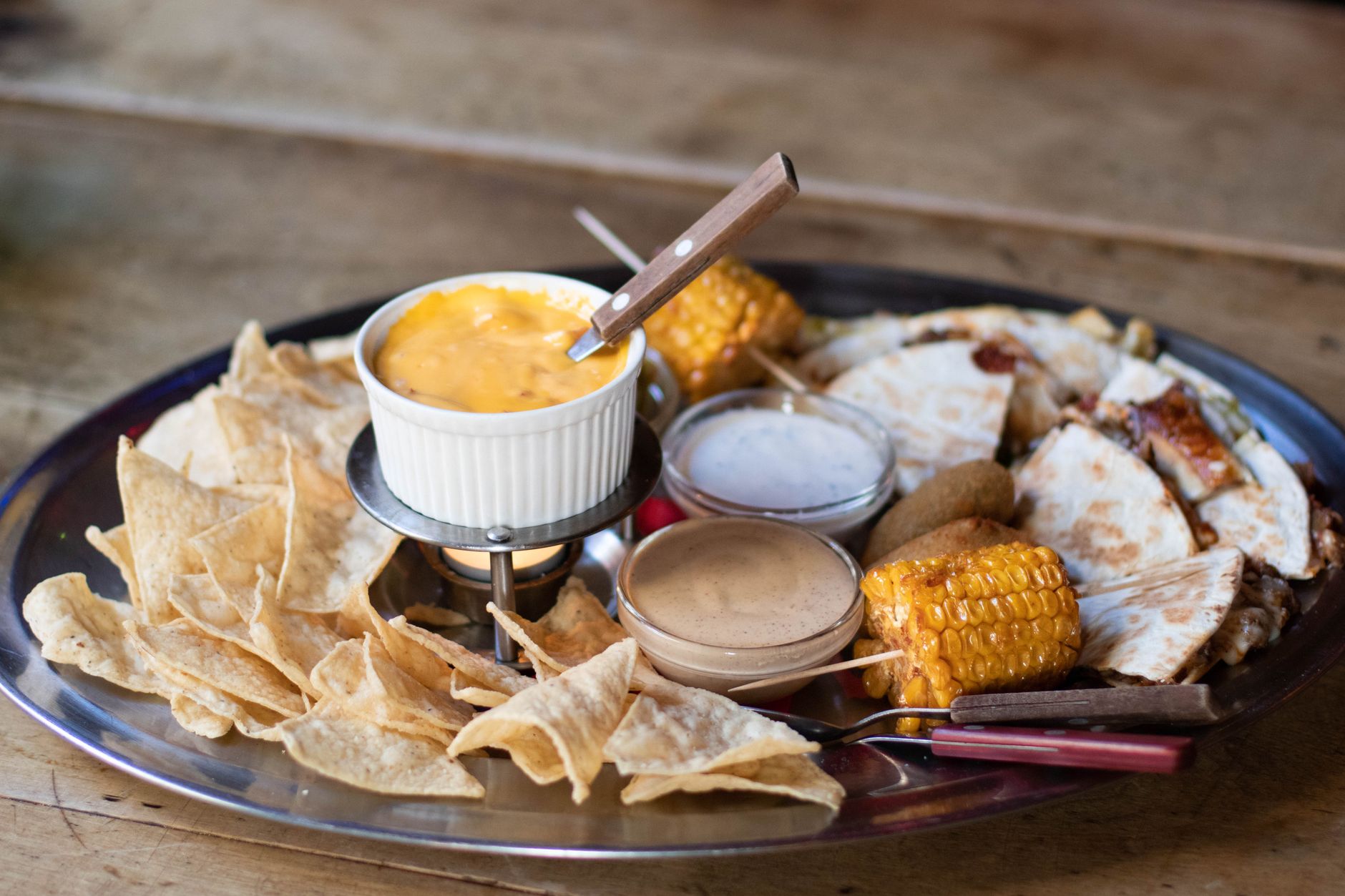
Tex-Mex is a beloved culinary genre that merges traditional Mexican cuisine with American flavors and ingredients. This fusion is distinguished by bold flavors, vibrant colors, and a hearty, comforting style of cooking. From sizzling fajitas to cheesy enchiladas, Tex-Mex offers comforting dishes that are both accessible and satisfying.
This article will explore the origins of Tex-Mex, the transformation of its flavors and ingredients, and the various dishes and traditions that make it a unique culinary experience. Discover how this cuisine evolved and why it is such a popular dining option today.
What Does Tex Mex Mean?
Tex-Mex is a combination of Texas and Mexico, reflecting the blending of cultures in this regional cuisine. It refers to dishes and cooking styles that originate primarily in Texas but are influenced by Mexican cooking traditions. Tex-Mex is characterized by its use of ingredients like cheese, beans, tortillas, and spicy flavors, setting it apart from authentic Mexican cuisine.
The Origins of Tex Mex Cuisine
The roots of Tex-Mex can be traced back to the late 19th century when American settlers began moving to Texas, embracing the local Mexican culture. These settlers adapted traditional Mexican recipes to include available ingredients and cooking techniques from the United States, resulting in a distinct style of cooking.
One of the pivotal moments for Tex-Mex was the introduction of the flour tortilla, which gained popularity in Texas during the 1900s. Unlike the corn tortillas traditionally used in Mexican cooking, flour tortillas provided a softer, more pliable base for various fillings. This new tortilla led to the creation of dishes such as burritos and fajitas, which remain staples in Tex-Mex cuisine today.
Key Ingredients in Tex Mex Cooking
Tex-Mex is known for its bold flavors and hearty ingredients. Understanding these key components will deepen your appreciation for this unique cuisine.
- Cheese: Cheddar and Monterey Jack cheese are widely used in Tex-Mex cooking. These cheeses add creaminess and richness to dishes, such as nachos or quesadillas.
- Tortillas: Both flour and corn tortillas are essential. Flour tortillas are often preferred for burritos and fajitas, while corn tortillas are traditionally used in tacos and enchiladas.
- Beans: Black beans and pinto beans are prevalent in Tex-Mex dishes, providing protein and fiber while adding a hearty texture.
- Spices: Common spices include cumin, chili powder, and paprika, which contribute to the vibrant flavors of Tex-Mex cuisine.
- Meats: Beef, chicken, and pork are commonly used, often marinated or seasoned with Tex-Mex spices. Fajitas and tacos often feature grilled or sautéed meats.
- Fresh ingredients: Ingredients such as tomatoes, avocados, cilantro, and onions are crucial for fresh salsas and toppings.
Popular Tex Mex Dishes
Tex-Mex cuisine features a variety of beloved dishes, each with its own unique flavor profile. Here are some popular Tex-Mex options that you may encounter:
Tacos
Tacos are a quintessential Tex-Mex dish, typically made with either flour or corn tortillas filled with your choice of protein, beans, lettuce, cheese, and salsa. The beauty of tacos lies in their versatility, allowing for endless combinations and toppings.
Fajitas
Fajitas consist of grilled meat (usually chicken, beef, or shrimp) served with sautéed onions and peppers. They are often served sizzling hot on a cast-iron skillet, accompanied by tortillas, guacamole, sour cream, and pico de gallo for a customizable meal.
Enchiladas
Enchiladas are rolled tortillas filled with meats, beans, or cheese, topped with a rich chili sauce and cheese, then baked until bubbling. These hearty dishes can be made with different types of sauces, such as red, green, or even mole.
Nachos
Nachos are a popular snack or appetizer made from tortilla chips topped with melted cheese, jalapeños, and various toppings such as guacamole, sour cream, and ground beef or chicken. They are perfect for sharing or as a game-day treat.
Chalupas & Sopes
Chalupas and sopes are thick corn tortillas topped with various ingredients such as meat, lettuce, cheese, and salsa. Chalupas boast a crispy texture, while sopes are typically thicker and softer.
Cooking Techniques for Tex Mex Dishes
Techniques used in Tex-Mex cooking often draw on traditional Mexican practices, adapted to accommodate available ingredients and preferences. Here are some common methods:
Grilling
Grilling is a popular technique for meats in Tex-Mex cuisine. Marinating your protein beforehand with spices and lime juice can enhance flavors. Use high heat on your grill or stovetop for a nice char and smoky flavor.
Baking
Many Tex-Mex dishes, such as enchiladas and casseroles, require baking. Pairing sauces with cheese before baking can create a beautiful, bubbly topping. It’s essential to bake dishes in preheated ovens to ensure even cooking.
Sautéing
Sautéing is commonly used for cooking vegetables, meats, and creating signature sauces. High heat with a bit of oil allows ingredients to cook quickly while maintaining their texture and flavor.
Simmering
Simmering helps deepen flavors, particularly in sauces and soups. For example, simmering enchilada sauce after combining the spices allows for a more pronounced taste before topping your enchiladas.
Tex Mex Traditions and Dining Customs
Beyond the food itself, Tex-Mex culture incorporates unique customs and traditions. Understanding these aspects enhances the overall dining experience.
Family Gatherings and Celebrations
Tex-Mex cuisine plays a significant role in family gatherings, holidays, and celebrations. Dishes often served during these occasions include large format meals like taco bars or family-style enchiladas to encourage sharing among diners.
Tex-Mex in American Culture
Tex-Mex has become ingrained in American culture, with countless restaurants and chains specializing in this cuisine. Its popularity has also influenced fast-food options, with items like Taco Bell’s “Tex-Mex” menu catering to a wider audience.
Regional Variations
Regional differences exist within Tex-Mex cuisine as well. In the southern regions, ingredients may lean towards more authentic Mexican flavors, while northern Texas may embrace heartier ingredients, reflecting Texas’ rustic roots. Each region adds its own twist to classic Tex-Mex favorites.
Common Mistakes to Avoid in Tex Mex Cooking
If you’re eager to create delicious Tex-Mex dishes at home, be mindful of these common pitfalls:
- Overcooking tortillas: Whether frying or steaming, be cautious not to overcook tortillas, as they can become tough. Warm them gently to maintain their flexibility.
- Not seasoning adequately: Tex-Mex is all about bold flavors, so don’t shy away from using spices. Taste as you go and adjust spices and salt levels to suit your palate.
- Skipping homemade sauces: While store-bought salsas and sauces are convenient, homemade versions typically taste fresher and more vibrant. Investing time in making your sauces can elevate your dish significantly.
Storage and Reheating of Tex Mex Dishes
Proper storage and reheating can help maintain the quality of Tex-Mex dishes. Here are some tips:
- Cooling: Allow dishes to cool completely before storing them in airtight containers. This practice helps prevent moisture buildup and sogginess.
- Reheating: When reheating, use an oven instead of a microwave whenever possible. Ovens will help maintain the crispiness of items like nachos and enchiladas.
- Freezing: Many Tex-Mex dishes, such as casseroles and soups, freeze well. Just be mindful of adding fresh toppings like avocado or cheese after reheating to maintain quality.
Embracing Tex Mex at Home
Now that you understand what Tex-Mex is and its rich history and culinary traditions, you’re ready to embrace this cuisine in your own kitchen. Begin with classic recipes and experiment with flavors to create your own signature Tex-Mex dishes.
Whether you’re preparing for a gathering or looking to spice up a weeknight dinner, Tex-Mex offers delicious options that are sure to please. From homemade tacos to satisfying enchiladas, start creating your favorite Tex-Mex dishes with confidence!
If you’re interested in exploring more flavors of Tex-Mex, consider making a refreshing habanero salsa as a delicious condiment or whip up your own chicken taco seasoning to elevate your recipe game.
To learn how to incorporate these flavors, check out our habanero salsa recipe or discover how to make chicken taco seasoning for a delightful meal experience.