
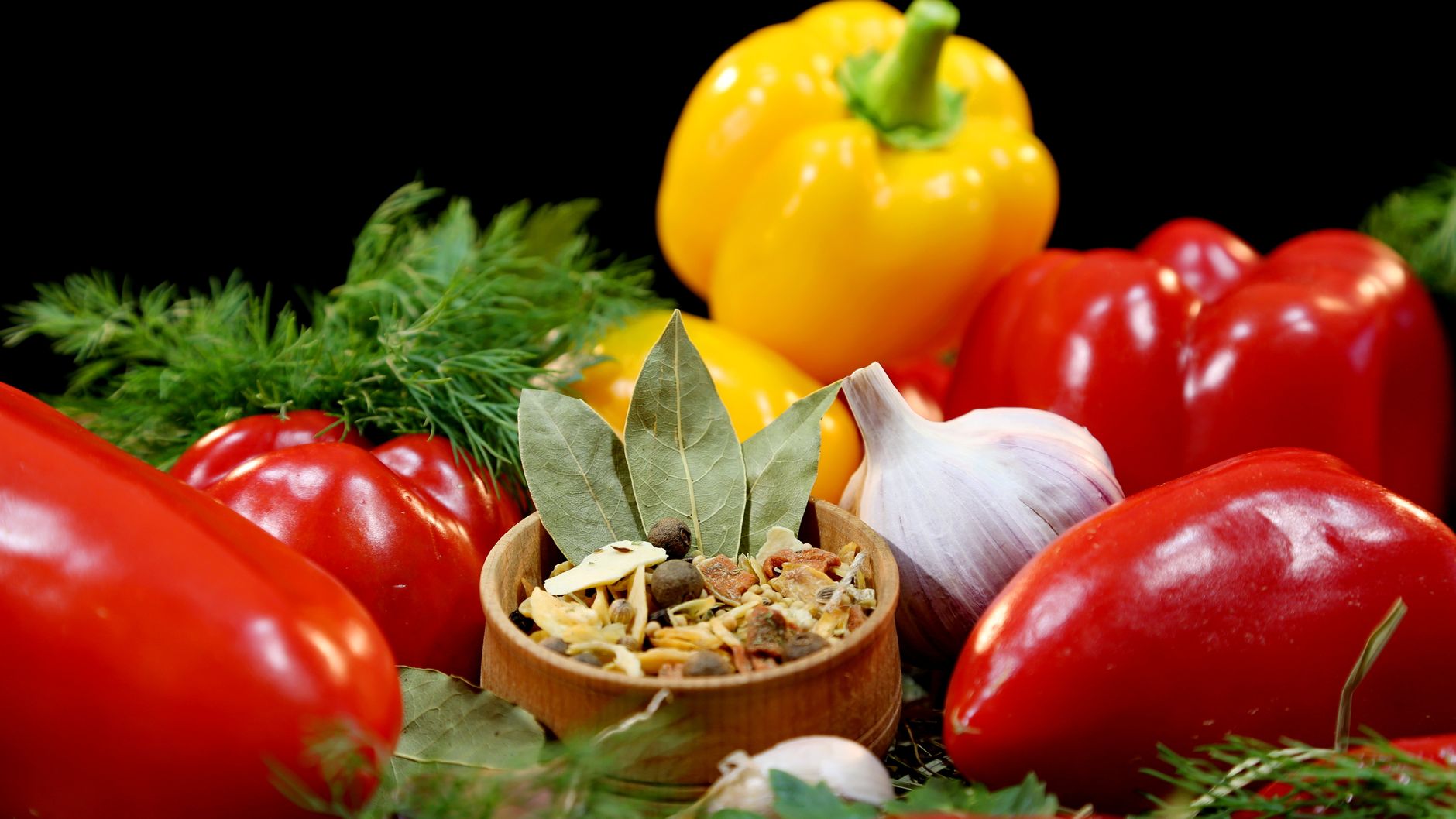
Bell peppers are a vibrant and versatile addition to many dishes, providing both color and nutrition. They are often used in salads, stir-fries, and stuffed dishes. Understanding the carbohydrate content is essential for those monitoring their dietary intake, whether for health reasons or personal preferences.
This article explores how many carbohydrates are in a bell pepper, breaking down the amounts by serving size. Additionally, we will discuss the nutritional benefits of bell peppers, their culinary uses, and how to choose and store them effectively.
How Many Carbs in a Bell Pepper?
A typical medium-sized raw bell pepper (about 120 grams) contains approximately 6 grams of carbohydrates. This number may slightly vary depending on the color and specific variety of the pepper. For those following low-carb diets, bell peppers are an excellent choice due to their relatively low carb content.
Below is a breakdown of the carbohydrate content based on common serving sizes:
| Size/Weight | Carbohydrates (g) |
|---|---|
| 1 medium bell pepper (120g) | 6g |
| 1 large bell pepper (180g) | 9g |
| 1 cup (chopped, 150g) | 7g |
| 1 small bell pepper (75g) | 4g |
Nutritional Benefits of Bell Peppers
Beyond their carbohydrate content, bell peppers offer numerous health benefits. They are packed with vitamins, minerals, and antioxidants:
- Vitamin C: Bell peppers are an excellent source of vitamin C, which supports immune health and skin wellness.
- Vitamin A: They provide a good amount of vitamin A, particularly in the form of beta-carotene, which is beneficial for vision and skin health.
- Antioxidants: Bell peppers are rich in antioxidants, which help fight oxidative stress in the body.
- Low Calorie: They are low in calories, making them an ideal choice for weight management.
Color Variations and Their Nutritional Differences
Bell peppers come in various colors, including green, red, yellow, and orange. Each color represents a different stage of ripeness and offers distinct flavors and nutritional profiles. Here’s how they differ:
- Green Bell Peppers: These are harvested before ripening, have a slightly bitter taste, and contain about 6g of carbs per medium pepper.
- Red Bell Peppers: Fully ripened and sweeter than green, red peppers contain around 9g of carbs and more vitamins A and C.
- Yellow and Orange Bell Peppers: These often fall between green and red in sweetness and nutritional value, containing approximately 7-8g of carbs.
Culinary Uses of Bell Peppers
Bell peppers are incredibly versatile and can be used in a variety of dishes. Here are some common culinary applications:
- Salads: Raw bell peppers add crunch and color to salads and can be chopped, sliced, or even spiralized.
- Stir-Fries: Their crisp texture holds up well in stir-fried dishes and pairs nicely with proteins and other vegetables.
- Stuffed Dishes: Bell peppers can serve as edible containers for stuffing, commonly filled with rice, meats, or vegetables.
- Grilled or Roasted: Cooking bell peppers enhances their sweetness and imparts a smoky flavor, ideal for appetizers or side dishes.
How to Choose Fresh Bell Peppers
When shopping for bell peppers, look for these key indicators of freshness:
- Color: Choose peppers with vibrant colors and shiny skin. Dull or faded peppers may be overripe.
- Firmness: Fresh bell peppers should feel firm and heavy for their size, indicating they are juicy and full.
- Skin Condition: Check for any blemishes, wrinkles, or soft spots, which may indicate spoilage.
Storing Bell Peppers
Proper storage can help maintain the freshness of bell peppers. Here are some tips:
- Refrigeration: Store unwashed bell peppers in the vegetable drawer of your refrigerator to keep them fresh for up to a week.
- Clean and Dry: If you wash your peppers, make sure to dry them completely before storing, as moisture can cause spoilage.
- Freezing: For longer storage, bell peppers can be chopped and blanched before freezing. Store them in airtight bags for up to six months.
Cooking Techniques for Bell Peppers
Various cooking methods can enhance the flavor and texture of bell peppers:
Grilling
- Preheat your grill to medium heat.
- Slice the bell peppers in half and remove the seeds and membranes.
- Brush lightly with olive oil and sprinkle with salt and pepper.
- Place them cut side down on the grill for 5-7 minutes until lightly charred, then flip and cook for another 5 minutes.
Roasting
- Preheat your oven to 425°F (220°C).
- Cut the peppers into strips or quarters and toss with olive oil, salt, and your favorite spices.
- Spread on a baking sheet in a single layer.
- Roast for 20-25 minutes, turning halfway, until tender and slightly charred.
Sautéing
- Heat a pan over medium heat and add olive oil or butter.
- Add sliced bell peppers along with onions or other vegetables.
- Sauté for 5-8 minutes until they soften, stirring occasionally.
Common Mistakes When Preparing Bell Peppers
Here are common pitfalls to avoid when preparing bell peppers:
- Overcooking: Cooking bell peppers too long can lead to a mushy texture. Aim for tender yet crisp peppers.
- Removing Too Much Skin: When slicing, take care not to remove too much of the flesh to maximize their flavor and nutrients.
- Ignoring Seeds: Remember to remove all the seeds, as they can be bitter and affect the dish’s overall taste.
Substituting Bell Peppers in Recipes
If you find yourself out of bell peppers, there are several substitutes you can use that will provide similar flavors and textures:
- Poblano Peppers: These have a mild flavor and are great for stuffing or adding depth to dishes.
- Zucchini: Offers a mild taste and can be sliced into strips for salads or stir-fries.
- Carrots: While sweeter, they can mimic the crunchiness of raw bell peppers.
- Green Beans: These can add a crisp texture to salads and stir-fries in place of bell peppers.
Serving Suggestions with Bell Peppers
Bell peppers can serve as a delightful complement to various dishes. Consider these serving suggestions:
- Pair with dips such as hummus or ranch for a healthy snack.
- Mix in with quinoa salads, along with other fresh vegetables.
- Include them in fajitas with grilled chicken or beef for an exciting dinner option.
With their rich colors, crunch, and nutritional benefits, bell peppers are versatile additions to meals. Their low carbohydrate content makes them friendly for various diets, including low-carb and ketogenic plans. Understanding how to utilize these vegetables can enhance your cooking and make your meals more satisfying.
Explore related recipes, cooking tips, or food guides to expand your culinary adventures. Discover what to serve with stuffed peppers or try a poblano peppers recipe for a spicy twist on your meal preparations.