
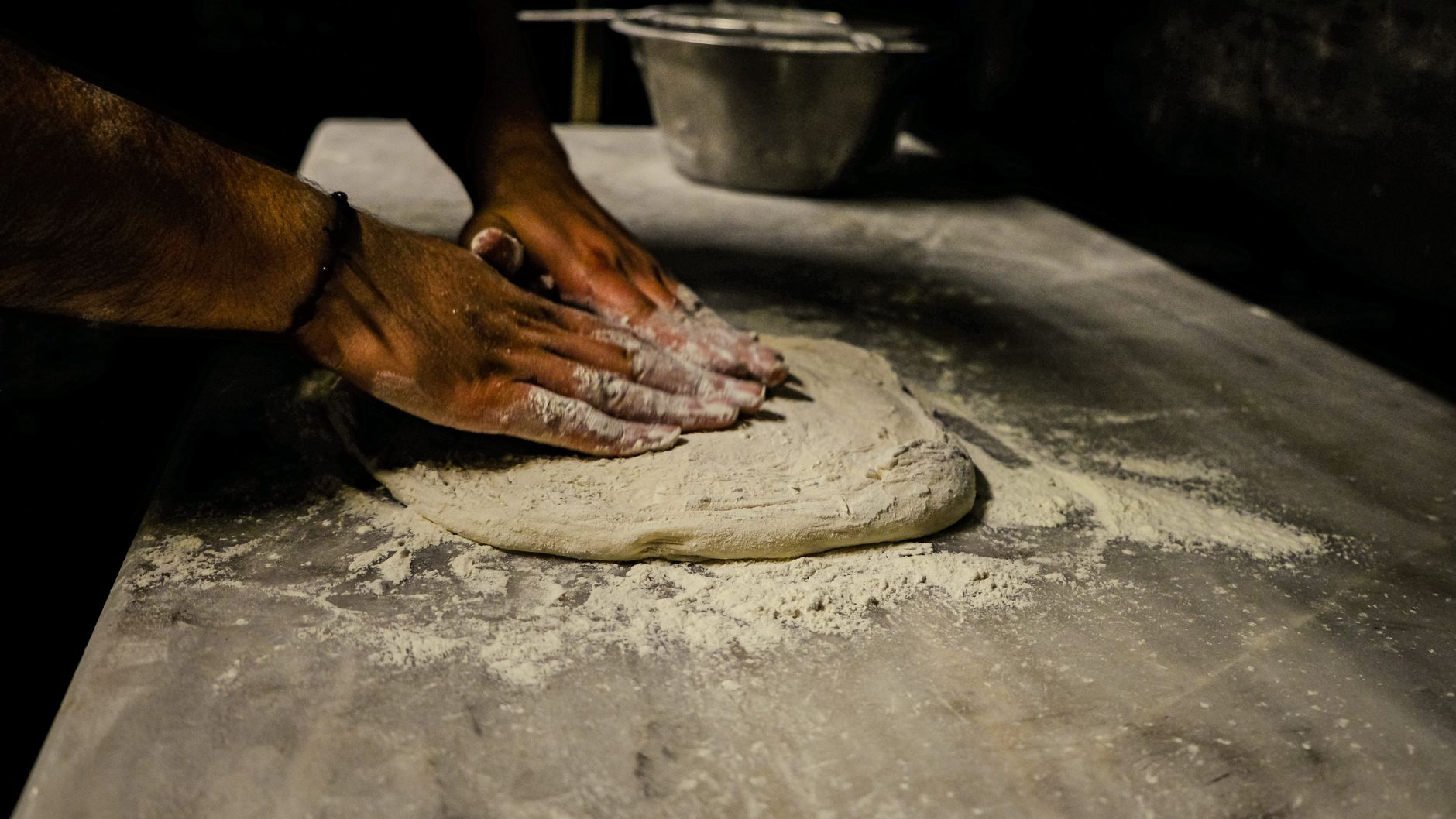
When it comes to making pizza, the type of flour you choose can significantly impact the end result. Many home cooks wonder if they can use bread flour for pizza dough, and the answer is a resounding yes. Bread flour, with its higher protein content, can create a chewy and delicious crust that many pizza lovers crave.
This article delves into the nuances of using bread flour for pizza dough, exploring its benefits, a simple recipe, and practical tips to ensure your pizza turns out perfectly every time.
Can You Use Bread Flour for Pizza Dough?
Yes, you can use bread flour for pizza dough. Bread flour typically contains about 12-14% protein, which is higher than all-purpose flour. This increased protein helps develop gluten, resulting in a chewy crust with a nice rise. While you can achieve great pizza dough with all-purpose flour, bread flour can give you a more robust structure and flavor.
Understanding Bread Flour
Before diving into the recipe, it’s helpful to understand what sets bread flour apart from other types of flour.
Protein Content
The protein content in bread flour is essential for gluten development. Gluten gives bread its structure and chewiness. When making pizza, a chewier crust can be desirable, especially for styles like New York or Neapolitan pizza.
Flavor and Texture
Using bread flour can enhance the flavor and texture of your pizza. The browning that occurs during baking due to the higher protein can add a complex flavor, elevating the overall taste of the pizza.
Basic Pizza Dough Recipe Using Bread Flour
This straightforward pizza dough recipe requires just a few ingredients and is perfect for making your favorite homemade pizzas. It yields enough dough for two large pizzas.
Ingredients
- 4 cups bread flour (480g)
- 1 ½ teaspoons salt (9g)
- 1 teaspoon sugar (4g)
- 1 packet active dry yeast (2 ¼ teaspoons or 7g)
- 1 ½ cups warm water (110°F to 115°F or 43°C to 46°C)
- 2 tablespoons olive oil (30ml)
Essential Equipment
- Large mixing bowl
- Measuring cups and spoons
- Wooden spoon or dough whisk
- Plastic wrap or kitchen towel
- Pizza stone or baking sheet
- Rolling pin
- Oven
Method
- In a small bowl, combine warm water, sugar, and yeast. Let the mixture sit for about 5-10 minutes until it becomes frothy.
- In a large mixing bowl, whisk together the bread flour and salt.
- Make a well in the center of the flour mixture and add the activated yeast mixture and olive oil.
- Using a wooden spoon or dough whisk, mix until a shaggy dough forms.
- Transfer the mixture to a floured surface and knead the dough for about 8-10 minutes until it becomes smooth and elastic.
- Form the dough into a ball and place it in a lightly oiled bowl. Cover the bowl with plastic wrap or a kitchen towel.
- Let the dough rise in a warm place for about 1 to 1.5 hours, or until it has doubled in size.
- Once the dough has risen, punch it down to remove excess air. Divide it into two equal portions for two large pizzas.
- Roll out each portion on a floured surface to your desired thickness.
- Transfer the rolled dough to a lightly floured pizza peel or baking sheet and add your favorite toppings.
- Bake in a preheated oven at 475°F (245°C) for 12-15 minutes, or until the crust is golden and the cheese is bubbling.
Tips for Using Bread Flour in Pizza Dough
Using bread flour can yield fantastic results, but here are some tips to ensure your pizza dough comes out just right:
Hydration Levels
Bread flour typically absorbs more water due to its higher protein content. You may need to slightly adjust the amount of water used in your recipe. Start with the given amount and add more if the dough feels too dry.
Kneading
Proper kneading is vital for gluten development. Ensure you knead the dough until it is smooth and elastic, which usually takes about 8-10 minutes.
Resting and Rising
Allowing the dough to rise sufficiently is crucial. A dough that has not risen long enough will not have developed adequate flavor or texture. Warm temperatures promote better fermentation, so be sure to place your dough in a warm area.
Common Mistakes and Troubleshooting
Even experienced cooks can face challenges when making pizza dough. Here are some common mistakes and how to avoid them:
Too Dry or Too Wet Dough
If your dough is too dry, add a tablespoon of water at a time until it reaches the desired consistency. Conversely, if it is too wet, sprinkle in a bit more bread flour, but do so gradually to avoid overdoing it.
Insufficient Rising
If your dough hasn’t risen much after the designated time, it may be due to inactive yeast or a cool environment. Ensure your yeast is fresh and consider finding a warmer spot for the dough to rise.
Overworking the Dough
Kneading is essential, but overworking the dough can develop too much gluten, resulting in a tough crust. Knead just until smooth and elastic.
Making Ahead and Storing Pizza Dough
If you want to prepare ahead of time, you can store your pizza dough in the refrigerator or freezer.
Refrigerator Storage
After the first rise, you can refrigerate the dough in a tightly sealed container for up to 3 days. Allow the dough to come to room temperature before rolling it out.
Freezing Pizza Dough
To freeze, place the dough in a lightly oiled, freezer-safe bag or container after the first rise, and freeze for up to 3 months. Thaw in the refrigerator overnight before using.
Variations on Pizza Dough with Bread Flour
Experimenting with your pizza dough can add new flavors and textures. Here are some variations to try:
Whole Wheat Bread Flour Pizza Dough
For a nuttier flavor and added nutritional value, substitute half of the bread flour with whole wheat flour. Be aware this will change the texture, making it a bit denser.
Herbed Pizza Dough
Add dried herbs, such as oregano, basil, or garlic powder, directly into the flour mixture for an aromatic and flavorful crust.
Cheese-Stuffed Crust
For a fun twist, roll out your pizza dough to form a stuffed crust. Place string cheese or mozzarella sticks along the edge before rolling the dough over them.
Serving Suggestions
The versatility of pizza allows for endless topping combinations. Here are some popular ideas:
- Classic Margherita: Tomato sauce, fresh mozzarella, basil, and a drizzle of olive oil.
- Pepperoni and Cheese: A traditional favorite with tomato sauce, mozzarella, and pepperoni slices.
- Vegetarian: Pile on your favorite vegetables like bell peppers, mushrooms, onions, and olives.
- BBQ Chicken: BBQ sauce, cooked chicken, red onion, cheese, and cilantro.
- White Pizza: Olive oil, garlic, ricotta cheese, and spinach.
Conclusion
Using bread flour for pizza dough can create a crust with excellent texture and flavor. Understanding the characteristics of bread flour allows you to make informed choices, elevate your homemade pizzas, and enjoy the delightful process of baking. Whether you’re a pizza enthusiast or simply trying it out for the first time, bread flour is a fantastic option for creating a memorable pizza experience.
For more pizza ideas, explore our King Arthur Pizza Dough Recipe or try a delicious Sicilian Pizza Dough Recipe to expand your culinary repertoire.