
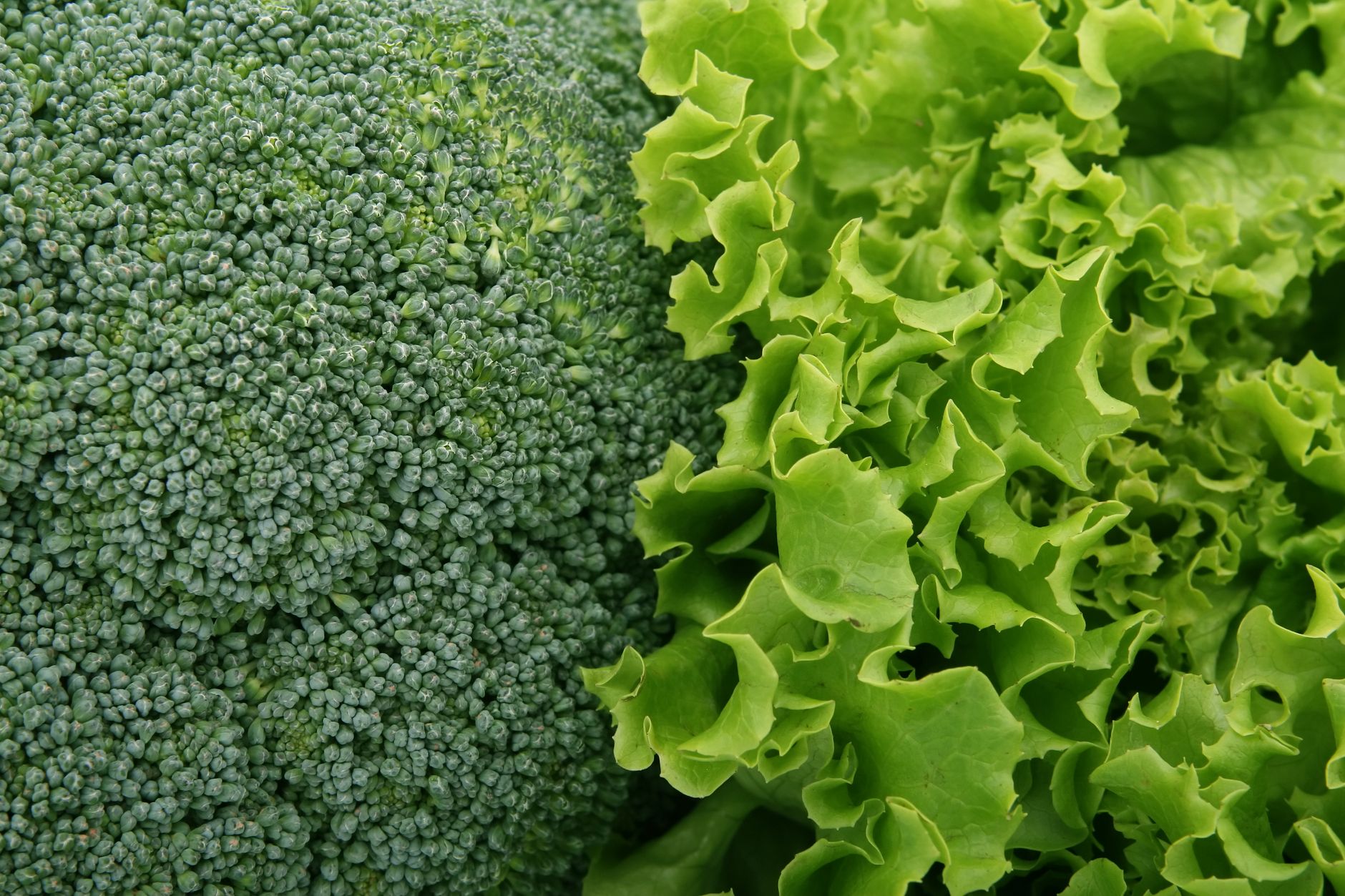
Broccoli is often hailed as a superfood, known for its myriad health benefits and nutritional value. One common question that arises is whether broccoli is a good source of calcium. While many people associate calcium primarily with dairy products, it’s essential to explore other sources, especially for those following plant-based diets.
This article delves into the calcium content of broccoli, how it compares to other sources, and ways to incorporate this nutritious vegetable into your meals. With the right information, you can make informed choices about your dietary calcium intake.
Is Broccoli a Good Source of Calcium?
Yes, broccoli is a good source of calcium. One cup of cooked broccoli contains about 62 milligrams of calcium, which contributes to your daily calcium needs. However, while it is beneficial, it may not be sufficient as the sole source of calcium, especially compared to dairy or fortified foods.
Nutritional Profile of Broccoli
To understand the calcium content of broccoli, it’s helpful to look at its overall nutritional profile. Broccoli is rich in vitamins, minerals, and other beneficial compounds. Here’s a brief breakdown:
- Calories: 55 per cup (cooked)
- Protein: 4.3 grams
- Carbohydrates: 11 grams
- Fiber: 5 grams
- Vitamin C: 116% of the Daily Value (DV)
- Vitamin K: 116% of the DV
- Calcium: 62 milligrams
- Iron: 10% of the DV
- Potassium: 14% of the DV
Broccoli is not only a calcium source but also provides a wealth of other nutrients that support overall health. Its high vitamin C content aids in immune function, and the vitamin K helps with bone health.
Comparing Calcium Sources
When evaluating the effectiveness of broccoli as a calcium source, it’s crucial to compare it with other foods. Here are some common dietary sources of calcium:
| Food Source | Calcium Content (per serving) |
|———————|——————————-|
| Milk (1 cup) | 300 milligrams |
| Yogurt (1 cup) | 450 milligrams |
| Kale (1 cup cooked) | 94 milligrams |
| Tofu (1/2 cup) | 200-400 milligrams (depends on coagulant) |
| Almonds (1 oz) | 76 milligrams |
| Broccoli (1 cup cooked) | 62 milligrams |
| Fortified Orange Juice (1 cup) | 300 milligrams |
As seen in the table, dairy products are more concentrated sources of calcium than broccoli. However, for vegans or those who limit dairy intake, broccoli remains a valuable option among plant-based sources. Additionally, kale and fortified foods can also play crucial roles in calcium intake.
Bioavailability of Calcium in Broccoli
Bioavailability refers to how well the body can absorb and utilize the nutrients from food. While broccoli does contain calcium, certain factors can affect the absorption of this mineral:
- Oxalates: Broccoli contains oxalates, which can bind to calcium and inhibit its absorption. However, broccoli has lower oxalate levels compared to other leafy greens like spinach.
- Vitamin D: This vitamin is crucial for calcium absorption. Consuming foods rich in vitamin D, such as fortified beverages or exposure to sunlight, can enhance calcium uptake from broccoli.
- Overall Diet: The presence of other nutrients such as magnesium, phosphorus, and vitamin K in your diet can affect calcium absorption positively. A balanced diet aids overall mineral absorption.
Maintaining a varied diet rich in different nutrients can improve calcium absorption from broccoli. Pairing broccoli with vitamin D-rich foods is a smart way to optimize calcium intake.
How to Incorporate Broccoli Into Your Diet
With its mild flavor and versatile texture, broccoli can be included in countless dishes. Here are some practical ways to incorporate broccoli into your meals:
1. Stir-Fried
Stir-frying broccoli with garlic, ginger, and other vegetables is an easy and quick cooking method. This preserves the nutrients while adding delicious flavors. Serve over brown rice or quinoa for a complete meal.
2. Steamed
Steaming broccoli retains most of its nutrients compared to boiling. Enjoy it seasoned with lemon juice, olive oil, and a sprinkle of salt as a side dish, or toss it into salads for added crunch.
3. Soups and Purees
Broccoli can be blended into soups for a creamy texture. Pair it with potatoes and cheese for a comforting broccoli cheddar soup or blend with vegetable broth for a simple yet nutritious puree.
4. Salads
Add raw broccoli florets to salads. It pairs well with crunchy ingredients like nuts and seeds. A broccoli salad with raisins, sunflower seeds, and a tangy dressing can be a delightful side dish.
5. Casseroles
Incorporate broccoli into casseroles, where it can absorb flavors from other ingredients. Mixed with whole grains and protein, it makes for a hearty, all-in-one meal.
6. Snacks
Raw broccoli florets dipped in hummus or yogurt dressing serve as a crunchy and nutritious snack. It’s a great way to add vegetables to your diet while enjoying a tasty dip.
Common Nutritional Myths About Broccoli
While broccoli is a healthy choice, some myths can cloud its benefits:
- Myth: Broccoli is the highest calcium vegetable.
Truth: While broccoli is a good source, other vegetables like collard greens and fortified foods often have higher calcium levels. - Myth: Cooking destroys all nutrients.
Truth: Certain cooking methods, like steaming, can preserve nutrients and make broccoli easier to digest.
Understanding the facts helps in planning a balanced diet that includes broccoli among other sources of calcium.
Practical Calcium Tips for Consumers
To ensure adequate calcium intake, especially if broccoli is one of your primary sources, consider the following tips:
- Eat a Variety of Calcium Sources: Combine broccoli with other calcium-rich foods such as legumes, nuts, fish, and fortified products to meet daily requirements.
- Consider Cooking Methods: Steaming or microwaving can retain the most nutrients. Avoid overcooking, as boiling may lead to nutrient loss.
- Balance Your Diet: Include sources of magnesium, vitamin D, and phosphorus to support optimal calcium absorption.
- Mind Portion Sizes: While broccoli is beneficial, ensure you consume it in sufficient quantities alongside other foods to meet dietary needs.
Adequate Daily Calcium Intake
Understanding how much calcium you need daily is essential. Recommendations vary based on age, gender, and life stage:
| Age Group | Calcium Recommended Daily Intake |
|——————————–|———————————-|
| Children (1-3 years) | 700 milligrams |
| Children (4-8 years) | 1,000 milligrams |
| Adolescents (9-18 years) | 1,300 milligrams |
| Adults (19-50 years) | 1,000 milligrams |
| Women (51+) and Men (70+) | 1,200 milligrams |
Adjust your intake based on these recommendations, considering your dietary preferences and restrictions. For individuals who may struggle to meet calcium needs, supplements should be considered under professional guidance.
Conclusion
Broccoli is a valuable addition to a balanced diet and offers a decent amount of calcium along with a host of other nutrients. Although it may not provide as much calcium as dairy, its benefits extend far beyond calcium alone. By incorporating broccoli creatively into your meals and ensuring a varied diet, you can support your calcium needs effectively.
To further explore your dietary options, check out how many carbs are in broccoli and try a delicious chia pudding recipe with coconut milk for a nutritious dessert.