
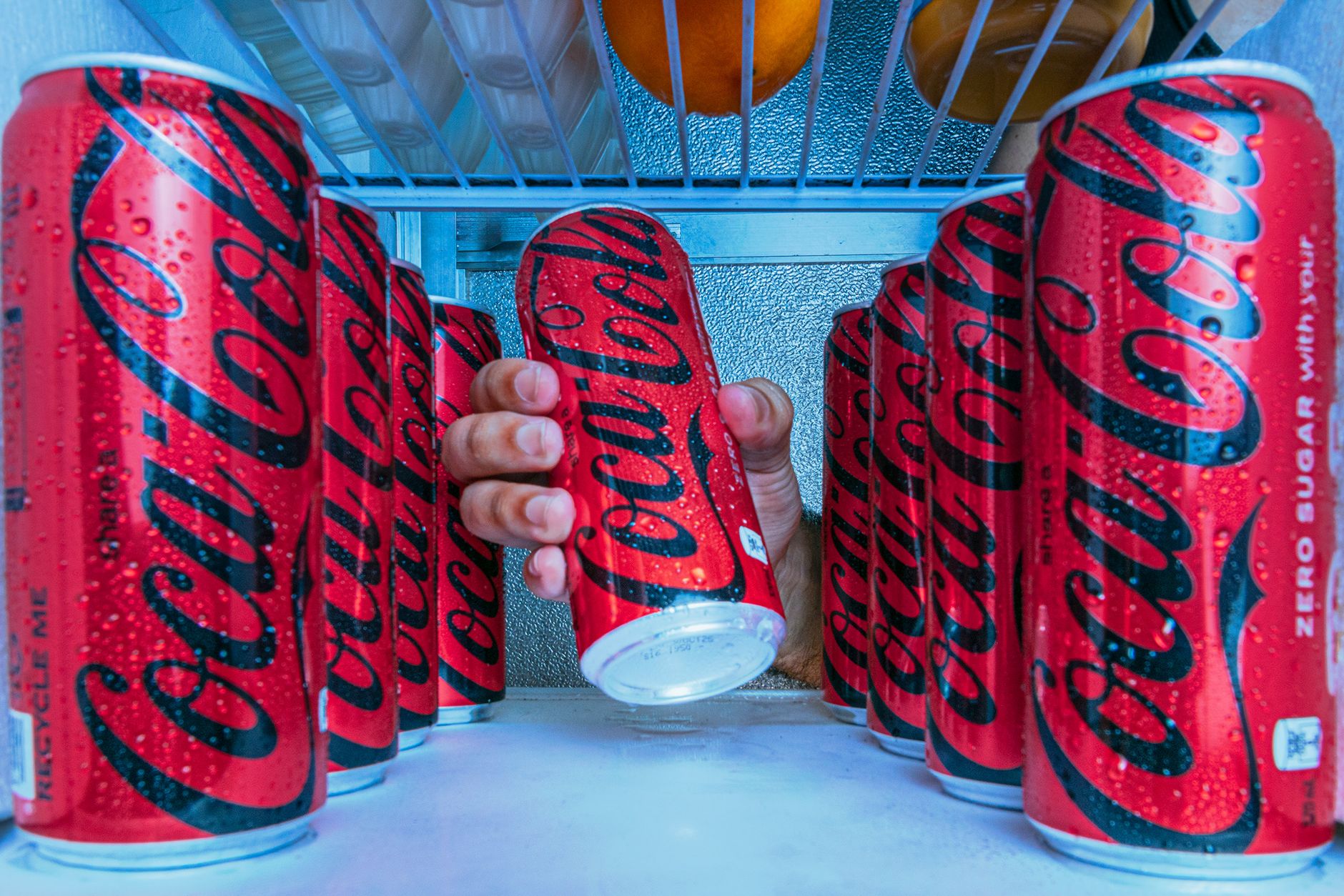
When searching for a refreshing drink option, many individuals consider Coke Zero as a go-to choice. It’s marketed as a sugar-free alternative to traditional cola, ideal for those looking to reduce their sugar intake while still enjoying the cola flavor. One important aspect of any beverage is its caffeine content, especially for those who monitor their caffeine consumption.
This article will delve into how much caffeine is found in a can of Coke Zero, explore its effects, compare it with other beverages, and discuss any health considerations associated with caffeine consumption. Whether you enjoy Coke Zero as part of your daily routine or simply want to know more, this guide has you covered.
How Much Caffeine in a Can of Coke Zero?
A standard 12-ounce (355 mL) can of Coke Zero contains approximately 34 mg of caffeine. This amount is slightly less than that of a regular Coca-Cola, which contains about 46 mg of caffeine per the same serving size. For comparison, a typical cup of brewed coffee ranges from about 95 to 200 mg of caffeine, showcasing how much lower the caffeine content is in Coke Zero.
Understanding Caffeine and Its Effects
Caffeine is a natural stimulant most commonly found in coffee, tea, and sodas. It primarily affects the central nervous system, which can lead to increased alertness and reduced fatigue. However, the effects of caffeine can vary from person to person based on various factors, including genetics, tolerance, and overall health.
The Benefits of Caffeine
While moderation is key, caffeine does have some recognized benefits:
- Enhanced Alertness: Caffeine can improve concentration and focus, making it a popular choice for those needing a mental boost.
- Performance Improvement: Athletes often use caffeine to increase endurance and reduce perceived exertion levels during physical activity.
- Potential Protection Against Disease: Some studies suggest that caffeine consumption may be linked to a lower risk of certain diseases, such as Parkinson’s disease and certain types of cancers.
Potential Risks of Caffeine
However, it’s important to keep in mind that excessive caffeine intake can lead to several side effects, including:
- Insomnia: Consuming caffeine too late in the day can interfere with sleep quality and duration.
- Jitters or Anxiety: Higher doses can lead to feelings of anxiety or nervousness in some individuals.
- Increased Heart Rate: Caffeine can stimulate the heart, potentially causing a rapid heartbeat.
Comparing Caffeine Content: Coke Zero vs. Other Beverages
Understanding how Coke Zero compares to other popular beverages can help consumers make informed choices. Here’s a comparison of caffeine content across various drinks:
| Beverage | Caffeine Content (per 12 oz) |
|---|---|
| Coke Zero | 34 mg |
| Regular Coca-Cola | 46 mg |
| Pepsi | 38 mg |
| Diet Pepsi | 35 mg |
| Green Tea | 30-50 mg |
| Black Tea | 40-70 mg |
| Brewed Coffee | 95-200 mg |
This comparison demonstrates that while Coke Zero does contain caffeine, it is significantly lower than that found in coffee and many teas. This makes it a suitable option for those who want some caffeine without the jitters associated with stronger caffeinated beverages.
Health Considerations When Consuming Caffeine
While moderate caffeine consumption is generally considered safe for most individuals, it is always best to be mindful of one’s personal tolerance and health conditions. Here are a few considerations:
- Pregnancy: Recommendations suggest limiting caffeine intake to about 200 mg per day for pregnant women due to potential risks. It’s advisable for those expecting to consult health care providers.
- Cardiovascular Health: Those with a history of heart problems may need to monitor their caffeine intake closely.
- Medication Interactions: Caffeine can interact with certain medications, enhancing side effects or reducing effectiveness, so it’s wise to consult with a healthcare professional.
Caffeine Tolerance
Another important factor in caffeine consumption is tolerance. Regular consumers of caffeine may find that they need higher doses to achieve the same stimulating effects over time. This phenomenon, often referred to as developing tolerance, can lead individuals to consume more caffeine than advisable.
Alternatives to Coke Zero
If you’re considering alternatives to Coke Zero, whether for reduced caffeine or sugar options, several beverages can fit the bill:
- Herbal Teas: Naturally caffeine-free and available in various flavors.
- Flavored Seltzers: Offer a bubbly, refreshing drink without caffeine or sugar.
- Decaffeinated Coffee or Tea: Allows you to enjoy the flavor without the caffeine crash.
- Infused Water: Adding fruits or herbs can create a delicious alternative to soda.
Making Informed Choices
When selecting beverages, it is crucial for consumers to be aware of not only the caffeine content but also any artificial ingredients present in products like Coke Zero. For instance, Coke Zero contains artificial sweeteners such as aspartame. While these ingredients allow the drink to be sugar-free, individuals may wish to research how they affect their health.
How Much Is Too Much? Understanding Caffeine Limits
The FDA states that most adults can safely consume up to 400 mg of caffeine daily, roughly the amount found in four 8-ounce cups of brewed coffee. However, sensitivity to caffeine can vary, and some individuals may experience adverse effects at lower levels. Being mindful of total daily intake from all sources—whether it’s soda, coffee, tea, or energy drinks—is important for managing caffeine consumption.
Conclusion
In summary, a 12-ounce can of Coke Zero contains approximately 34 mg of caffeine, making it a moderate choice for those looking to limit their caffeine intake while enjoying a soda. As with any beverage, moderation is key, and understanding individual tolerance levels is essential to maintain balance.
For those who enjoy the taste of Coke Zero but are sensitive to caffeine, considering alternatives can provide satisfaction without the potential for caffeine-related side effects. Knowledge about caffeine content in various drinks can empower consumers to make informed choices tailored to their preferences and health needs.
If you’re interested in exploring more about drinks and their caffeine content, check out our articles on Diet Dr. Pepper’s caffeine or learn how much caffeine is in chai tea.