
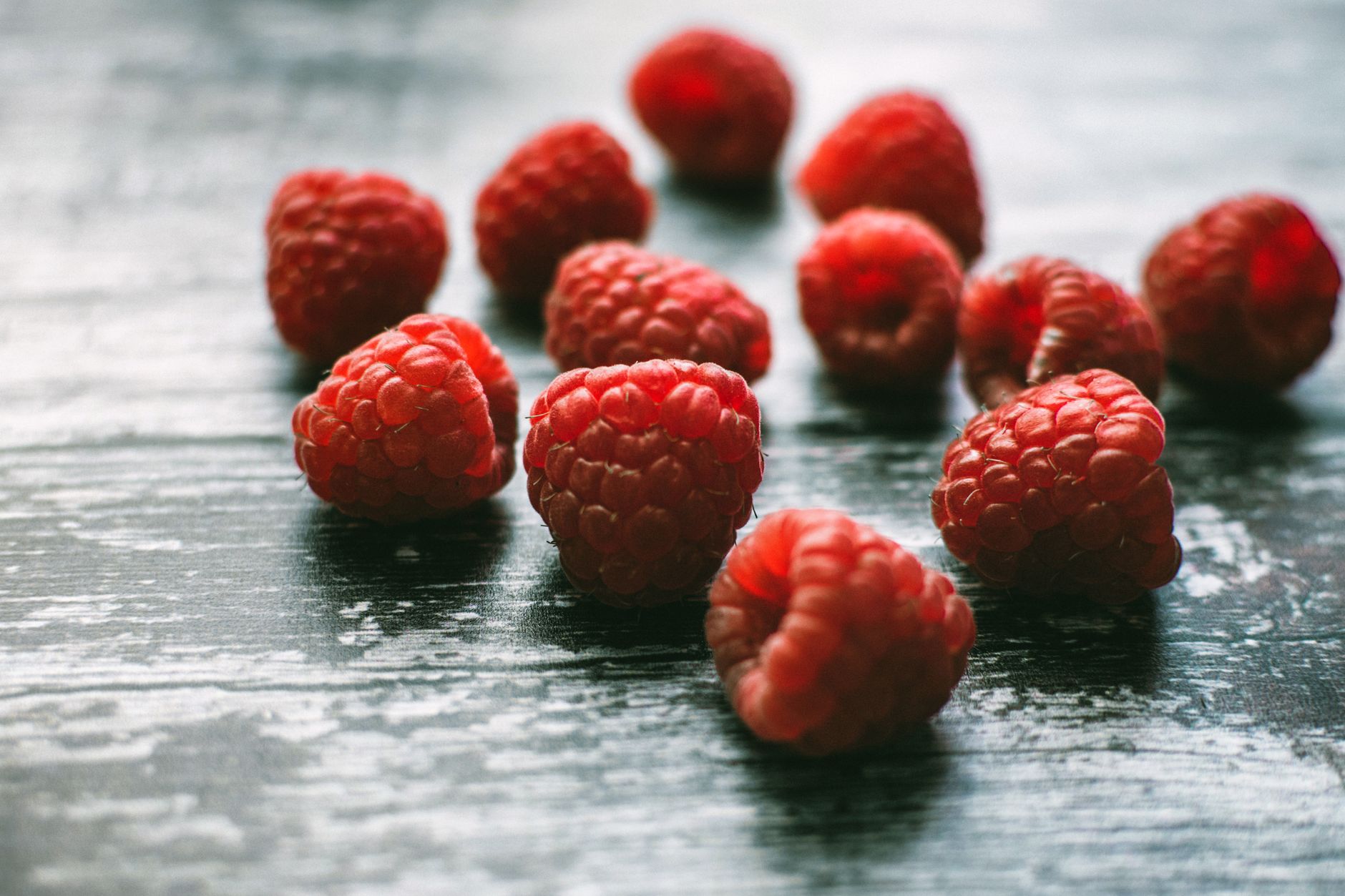
Raspberries are a popular fruit, known for their enticingly sweet-tart flavor and vibrant color. As health-conscious individuals increasingly seek fruits that offer nutritional benefits, the question arises: Do raspberries have iron? While iron is crucial for bodily functions, raspberries are not standout sources of this essential mineral.
This article delves into the iron content of raspberries, their overall nutritional profile, serving sizes, and how they can fit into a balanced diet. By exploring ways to incorporate this delightful berry into meals, you can enjoy its taste while being mindful of your nutritional needs.
Do Raspberries Have Iron?
No, raspberries are not a significant source of iron. A typical serving of raspberries (about 1 cup or 123 grams) contains approximately 0.6 mg of iron, which accounts for about 3% of the daily recommended intake for adults. While this amount is relatively low compared to other foods, raspberries offer their own set of health benefits.
Nutritional Profile of Raspberries
Raspberries are rich in vitamins, minerals, and antioxidants. They provide a good source of dietary fiber, vitamin C, and several other micronutrients. Below is a general overview of the nutritional content of 1 cup (123g) of raw raspberries:
| Nutrient | Amount per 1 Cup |
|---|---|
| Calories | 65 |
| Carbohydrates | 15 g |
| Fiber | 8 g |
| Sugars | 5 g |
| Protein | 1.5 g |
| Fat | 0.8 g |
| Vitamin C | 54% of DV |
| Vitamin K | 12% of DV |
| Manganese | 41% of DV |
| Magnesium | 7% of DV |
| Iron | 0.6 mg (3% of DV) |
The Role of Iron in the Diet
Iron plays a crucial role in the body, primarily in the formation of hemoglobin, which carries oxygen in the blood. It is essential for energy production, immune function, and overall cellular health. There are two types of dietary iron: heme (found in animal products) and non-heme (found in plant-based foods). Raspberries contain non-heme iron, which is less readily absorbed by the body than heme iron.
Daily Recommended Intake of Iron
The recommended dietary allowance (RDA) for iron varies by age, gender, and life stage:
- Men (19-50 years): 8 mg
- Women (19-50 years): 18 mg
- Women (51 and older): 8 mg
- Pregnant women: 27 mg
- Lactating women: 9 mg
It’s essential to meet these recommendations through a balanced diet that includes a variety of foods containing iron.
Increasing Iron Intake with Raspberries
Even though raspberries are not a significant source of iron, they can still be beneficial in an iron-rich diet when combined with other foods. Here are a few ways to enhance iron absorption while enjoying raspberries:
- Pair with Vitamin C: Consuming iron-rich foods along with vitamin C can enhance the absorption of non-heme iron. Include raspberries in a fruit salad with oranges or combine them with leafy greens like spinach, which is high in iron, for a nutritious salad.
- Combine with Nuts and Seeds: Raspberries can be added to smoothies, oatmeal, or yogurt alongside nuts and seeds. Almonds and pumpkin seeds are good sources of iron and healthy fats.
- Use in Smoothies: Blend raspberries with iron-rich ingredients like spinach or fortified plant-based milk for an energizing drink that supports iron absorption.
How to Use Raspberries in Your Diet
Raspberries are versatile and can be easily included in various meals throughout the day. Here are some inspiration and ideas:
Breakfast
Raspberries can elevate your breakfast offerings:
- Overnight Oats: Mix rolled oats with yogurt, milk, and chia seeds, and top with raspberries for a nutrient-packed morning meal.
- Smoothie Bowl: Blend raspberries with banana and a splash of almond milk. Pour into a bowl and top with sliced fruits, nuts, and granola.
- French Toast: Serve raspberry compote over whole-grain French toast for a fresh twist.
Lunch
Incorporate raspberries into nutritious lunches:
- Salads: Toss fresh raspberries in salads featuring mixed greens, nuts, and a tangy vinaigrette.
- Wraps: Include raspberries in wraps with turkey, spinach, and avocado for added flavor.
Dinner
Add a touch of raspberries to dinner dishes:
- Glazes: Use raspberries to create a sweet-tart glaze for grilled chicken or fish.
- Side Dishes: Mix raspberries into quinoa or rice dishes for a burst of flavor and color.
Desserts
Raspberries shine in sweet treats:
- Fruit Tarts: Use fresh raspberries on top of custard-filled tarts for an elegant dessert.
- Ice Cream: Blend with yogurt and freeze for a refreshing homemade raspberry sorbet.
- Berry Parfaits: Layer raspberries with granola and yogurt in individual cups for a delightful dessert.
Practical Tips for Using Raspberries
To get the most out of raspberries in your cooking and meal planning, consider these tips:
Choosing Fresh Raspberries
- Look for plump, firm berries that are free of mold or discoloration.
- Choose bright red raspberries with a slight sheen for the best flavor.
- Avoid soft or mushy raspberries, as they may be overripe.
Storage Tips
- Store fresh raspberries in the refrigerator and consume them within a few days for optimal freshness.
- Rinse raspberries gently just before use to minimize moisture that can promote spoilage.
- Raspberries can be frozen. Spread them on a baking sheet in a single layer and freeze before transferring to a sealed container.
Common Mistakes When Using Raspberries
To help ensure the best results when preparing dishes with raspberries, avoid these common mistakes:
- Overwashing: Washing raspberries too aggressively can lead to bruising. Rinse them gently to preserve their shape.
- Pairing with Mismatched Flavors: Consider the sweetness and acidity of raspberries when pairing them with other ingredients. They balance beautifully with creamy or rich toppings, but can clash with overly salty or strongly flavored foods.
Conclusion
While raspberries do contain a small amount of iron, they should not be relied upon as a primary source of this essential mineral. Instead, they can be incorporated into a balanced diet alongside iron-rich foods. Their versatility allows for creative culinary uses, from breakfast through dessert. Enjoying raspberries in various dishes can enhance both flavor and nutritional variety.
To further explore ways to include iron-rich foods into your diet, check out resources like what has iron and delicious recipes such as raspberry syrup to complement your meals.