
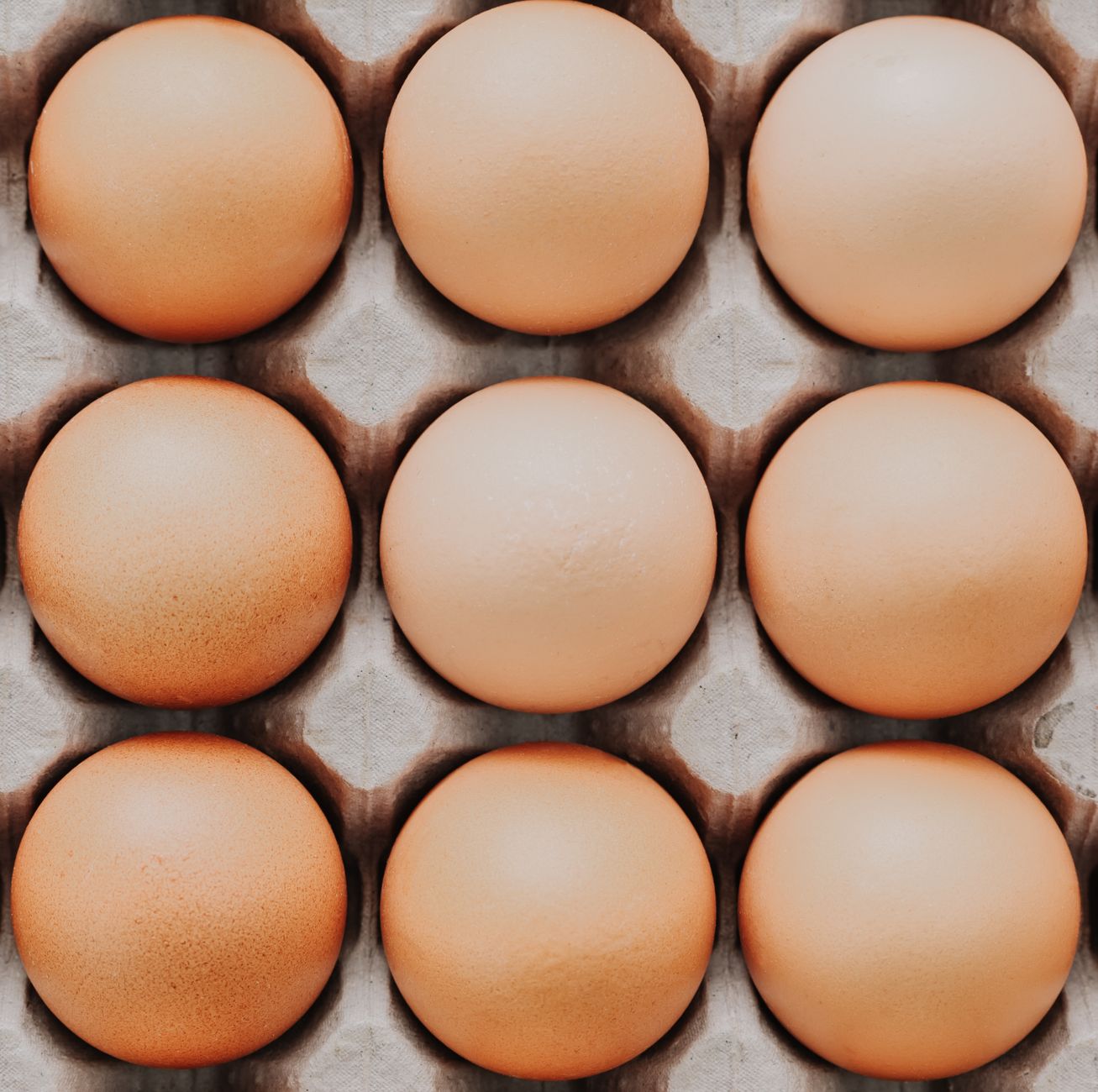
Freezing chicken eggs is a practical way to extend their shelf life and reduce waste. If you’re wondering whether you can actually freeze them and how to best do it, you’re in the right place. This guide will provide details on the freezing and thawing process, along with practical storage options and tips.
Many people choose to freeze eggs to save them for later use in baking, cooking, or breakfast dishes. Understanding the methods available can help you make the most of your eggs while preserving their quality for when you need them most.
Can You Freeze Chicken Eggs?
Yes, you can freeze chicken eggs. However, freezing them in their shells is not recommended due to the expansion of liquids when frozen, which can cause the shells to crack. Instead, eggs should be beaten and stored in suitable containers. Proper freezing techniques ensure that the eggs remain safe to eat and maintain their quality during storage.
Why Freeze Eggs?
Freezing eggs can be beneficial for several reasons:
- Reducing Waste: If you have an abundance of eggs nearing their expiry date, freezing them can help prevent spoilage.
- Convenience: Having pre-portioned eggs available can make meal prep easier and faster.
- Baking and Cooking: Frozen eggs can be used in various recipes, which can be particularly helpful during busy cooking seasons or when unexpected guests arrive.
Best Practices for Freezing Eggs
To maintain quality and safety, follow these best practices:
- Choose Fresh Eggs: Start with fresh eggs for the best results. Older eggs may not freeze as well and could lead to poor texture and flavor.
- Clean the Eggs: If they are soiled, gently wash the eggs with water. However, avoid using soap as it can penetrate the shell.
- Crack and Beat: Crack the eggs into a mixing bowl. Inspect each egg for any signs of damage or off-smell, then beat them until just blended.
- Portioning: Consider portioning eggs based on how you plan to use them. For example, use about one egg per container or ice cube tray section for easy retrieval later.
How to Freeze Chicken Eggs
Here’s a step-by-step guide on how to freeze chicken eggs properly:
- Gather Your Materials: You will need fresh eggs, a mixing bowl, a whisk or fork, silicone ice cube trays or freezer-safe containers, and a marker for labeling.
- Crack and Beat: Crack open the eggs into the bowl and beat them lightly until the yolks and whites are blended but not frothy.
- Portion Into Containers: Pour the beaten eggs into the silicone trays, making sure to fill each section evenly. You can use freezer-safe containers instead if you prefer.
- Label Containers: Write the date and number of eggs in each container on a piece of tape or directly on the container. This helps keep track of freshness.
- Freeze: Place the trays or containers in the freezer. Allow the eggs to freeze completely, which usually takes a few hours.
- Store Properly: Once frozen solid, remove the eggs from the trays and transfer them to freezer-safe bags or containers. Seal them tightly to prevent freezer burn.
Best Ways to Thaw Frozen Eggs
Thawing eggs properly is just as important as freezing them. Here are some recommended methods:
- Refrigerator Thawing: The safest way to thaw frozen eggs is to place them in the refrigerator overnight. This method ensures they remain at a safe temperature.
- Cold Water Thawing: If you need them quickly, place the sealed bag of frozen eggs in a bowl of cold water for about 30 minutes. Change the water occasionally to keep it cold.
- Cooking Directly: If you’re using the eggs in a recipe that requires cooking, you can add them directly from the freezer into the dish. This works well for scrambled eggs, baking, or casseroles.
Cooking with Thawed Eggs
Once thawed, chicken eggs can be used in a variety of dishes. Here are some common uses:
- Scrambled Eggs: Thawed eggs can easily be scrambled with a bit of salt and pepper, creating a quick breakfast option.
- Baking: Use thawed eggs in cakes, cookies, or muffins. The texture may be slightly different, but they will still work well in recipes.
- Casseroles: Incorporate thawed eggs into casseroles for added texture and nutrition.
What to Avoid When Freezing Eggs
Being aware of potential pitfalls can yield better results. Here’s what to avoid:
- Freezing in Shells: As mentioned earlier, don’t freeze eggs in their shells. The expansion can cause shells to break, leading to potential contamination.
- Freezing Cooked Eggs: While it is possible to freeze some cooked egg dishes, their texture may not hold up well after thawing. Avoid freezing dishes that don’t reheat well.
- Long-Term Storage: While frozen eggs can last a while, it’s best to use them within 6 to 12 months for optimal quality.
Common Questions About Freezing Chicken Eggs
Here are some frequently asked questions regarding freezing chicken eggs:
Can you freeze raw eggs in their shells?
No, it is not recommended to freeze raw eggs in their shells due to the risk of cracking and contamination. Always beat and store them separately.
How long can frozen eggs be stored?
Frozen eggs can be stored for up to 6 to 12 months in the freezer. For the best quality, use them within this timeframe.
Do frozen eggs change in texture?
While the flavor remains intact, the texture of thawed eggs may be slightly different. This can be particularly noticeable in egg whites, which may become a bit watery.
Using Frozen Eggs in Recipes
Understanding how to incorporate frozen eggs into your cooking can maximize their potential. Here are some tips when using frozen eggs in various recipes:
In Pancakes and Waffles
When making batters for pancakes or waffles, you can replace fresh eggs with thawed eggs. For each egg, use approximately 1/4 cup of the beaten, thawed egg mixture. This will help maintain the right texture for fluffy pancakes.
In Quiches and Frittatas
Thawed eggs can be used in savory dishes like quiches or frittatas. Simply treat them as you would fresh eggs, mixing them with other ingredients, and following your usual recipe instructions.
In Baked Goods
Baking cookies, brownies, and cakes with thawed eggs typically yields excellent results. Just remember to account for any additional moisture that thawed eggs may bring into your mix.
Storage Tips for Frozen Eggs
Here are additional tips to ensure your frozen eggs are stored correctly:
- Label Always: Always label your frozen egg containers with the date and the contents to keep track of freshness easily.
- Avoid Freezer Burn: Use airtight containers and ideally vacuum seal bags to prevent freezer burn.
- Regular Check: Occasionally check your frozen foods to ensure that everything is still in good condition, and rotate out any older items.
Conclusion
Freezing chicken eggs is a straightforward process that can help you manage your food inventory effectively. With the right techniques, you can enjoy the benefits of frozen eggs in your meals for months to come. Keep an eye on storage practices and utilize thawed eggs in creative ways to enhance your cooking.
Eager to further explore egg storage or learn more about food storage practices? Check out how long eggs can last in the refrigerator and how long eggs last after their sell-by date for even more useful tips.