
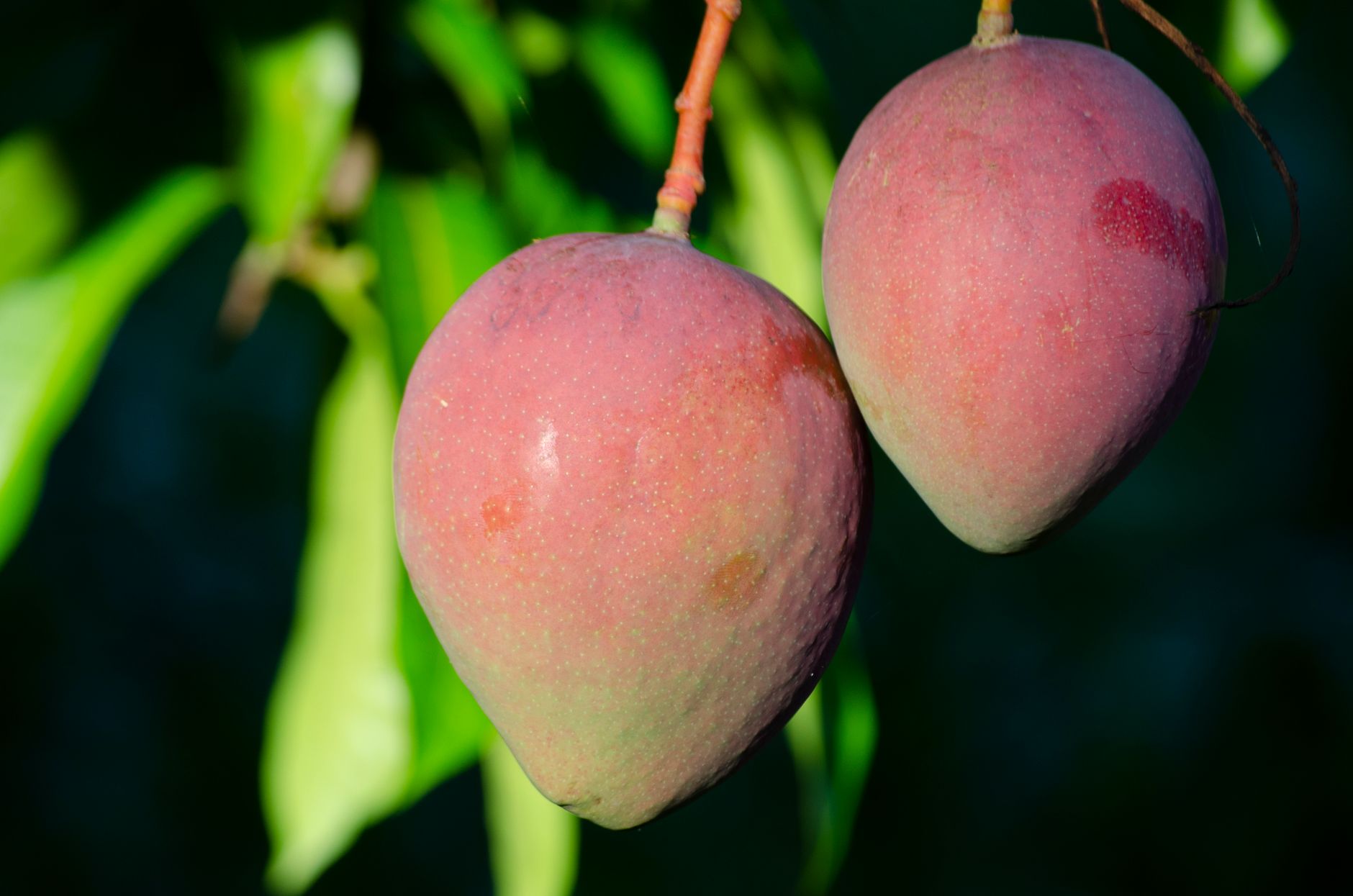
Mangoes are not just a delicious tropical fruit; they also belong to a specific botanical category. Understanding what type of fruit a mango is can enhance your appreciation for this juicy treat and inform how you use it in your kitchen.
One common classification is whether mangoes are stone fruits or drupes. In this comprehensive guide, we will explore mangoes in detail—defining stone fruits, drupes, and examining how mangoes fit into these categories. We will also provide practical tips for utilizing mangoes in your cooking and meal preparation.
Is Mango a Stone Fruit Drupe?
Yes, mangoes are classified as stone fruits, which are botanically known as drupes. This categorization is due to their unique structure. A drupe is a fruit with a fleshy outer layer surrounding a hard shell (a pit or stone) that encapsulates the seed.
Understanding Stone Fruits and Drupes
To better appreciate mangoes, it’s important to understand what stone fruits and drupes are. Both terms often overlap, but they do have distinct characteristics.
What Are Stone Fruits?
Stone fruits are a category of fruits that have a single large seed enclosed within a hard stone or pit. Common examples include peaches, cherries, plums, and apricots. They are typically juicy and fleshy, making them appealing for fresh consumption and culinary uses.
What Are Drupes?
Drupes are a specific type of stone fruit characterized by their three layers: the exocarp (outer skin), mesocarp (fleshy middle), and endocarp (the hard stone that surrounds the seed). All stone fruits, including mangoes, fall into the drupe category. However, not all drupes are classified as traditional stone fruits in culinary contexts.
The Anatomy of a Mango
To fully grasp why mangoes are considered drupes, let’s dissect their anatomy. A mango consists of the following parts:
- Exocarp: The smooth outer skin that can vary in color from green to yellow, red, or a blend of these colors, depending on the ripeness of the fruit.
- Mesocarp: The juicy flesh that is typically yellow or orange, which is the part that most people enjoy eating.
- Endocarp: The hard stone inside that houses the seed. The pit is flat and oblong, making it unique among other stone fruits.
How to Choose and Store Mangoes
Selecting the perfect mango is essential for maximizing flavor and enjoyment. Here are some tips to identify ripe mangoes and how to store them properly.
Choosing Ripe Mangoes
When selecting mangoes, consider the following:
- Color: Depending on the variety, ripe mangoes can showcase a yellow, orange, or red hue. However, color alone should not be your only guide, as some varieties remain green even when ripe.
- Texture: Give the mango a gentle squeeze; it should yield slightly to pressure. Avoid mangoes that feel overly soft or have blemishes.
- Aroma: Ripe mangoes emit a sweet, fruity fragrance, often noticeable near the stem end.
Storing Mangoes
Proper storage will prolong the freshness of mangoes:
- Room Temperature: If your mangoes are not ripe yet, leave them at room temperature, away from direct sunlight, until they ripen.
- Refrigeration: Once ripe, you can store mangoes in the refrigerator for up to five days. They can be kept in a bowl or in a plastic bag for best results.
Cooking with Mangoes
Mangoes are incredibly versatile and can be incorporated into various dishes. Their sweetness and tangy flavor make them ideal for both savory and sweet applications. Here are some ways to enjoy mangoes in your cooking.
Salads and Salsas
Mango adds a vibrant twist to salads and salsas. Here are some ideas:
- Mango Salad: Combine fresh mango cubes with mixed greens, avocado, and a citrus vinaigrette for a refreshing salad.
- Mango Salsa: Dice mango and mix with red onion, cilantro, lime juice, jalapeño, and salt to create a flavorful salsa. This pairs beautifully with grilled fish or chicken.
Smoothies and Juices
Mango is a fantastic ingredient for smoothies and juices. Here’s what you can do:
- Mango Banana Smoothie: Blend ripe mango with bananas, yogurt, and a splash of orange juice for a creamy drink.
- Mango Juice: Puree mango with some water and a bit of sugar or honey for a refreshing beverage.
Cooking and Baking
When you think of mangoes, don’t just limit your usage to fresh dishes. Consider the following options:
- Curry Dishes: Mango can be added to curries for a sweet and tangy flavor. Try using diced mango in a coconut milk-based curry.
- Mango Pudding: Create a delicious mango pudding by blending mango purée with coconut milk, cornstarch, and sugar, then refrigerate until set.
Common Mistakes When Using Mangoes
To help you avoid pitfalls when cooking with mangoes, here are some common mistakes and how to troubleshoot them:
- Cutting Incorrectly: Mango pits are flat and can be tricky to cut around. To slice the fruit properly, begin by trimming the sides off the pit, then peel and cube the flesh. This technique will ensure you get the most mango without as much waste.
- Overripe Mangoes: Overripe mangoes can become mushy and unpleasant to eat. If you find mangoes are becoming overly soft, use them immediately in smoothies or baking rather than eating them fresh.
Mangoes in Different Cuisines
Mangoes are celebrated worldwide, each culture using them in unique ways. Here are some notable culinary uses from various regions:
Indian Cuisine
India is known for its diverse use of mangoes. Here are two examples:
- Mango Lassi: A popular yogurt-based drink made by blending mango with yogurt, sugar, and cardamom.
- Mango Chutney: A sweet and spicy condiment made from cooked mango, sugar, vinegar, and spices that pairs well with curries.
Mexican Cuisine
Mangoes are also prominent in Mexico:
- Mango Con Chile: Fresh mango slices sprinkled with chili powder and lime juice—an easy and flavorful street snack.
- Mango Tacos: Use mango as a topping for tacos—blend it with avocado and onion for a refreshing mix.
Thai Cuisine
In Thai cuisine, mango is often used in:
- Mango Sticky Rice: A traditional dessert comprising sticky rice, fresh mango slices, and coconut sauce.
- Salads: Green mango is often used in salads for a tart flavor.
Health Benefits of Mangoes
Mangoes bring not only flavor but also a wealth of health benefits. They are rich in Vitamins A and C, as well as dietary fiber. Consuming mangoes can help support immune function, improve digestion, and contribute to healthy skin.
Additionally, mangoes have antioxidants that may reduce inflammation and disease risk. However, it is always best to consume them in moderation to balance the natural sugars present in the fruit.
Mango Substitutions and Alternatives
If you don’t have mangoes on hand, consider these alternatives:
- Papaya: With a similar texture and sweetness, papaya can be used as a swap in salads and salsas.
- Peaches: Juicy and sweet, peaches can stand in for mangoes in desserts or smoothies.
- Pineapple: This tropical fruit offers a different, more tart flavor but can be used in similar dishes.
Conclusion
Mangoes are a delightful stone fruit drupe that offers numerous culinary possibilities. From salads to desserts, their sweet and juicy flesh enhances various dishes. With the right selection and storage methods, mangoes can become a staple in your kitchen.
Now that you’re well-versed in the world of mangoes, why not explore more delicious fruit options? Check out our guides on banana uses and identifying ripe mangoes to expand your culinary repertoire!