
Sourdough starter is a living culture that forms the backbone of countless delicious baked goods. However, like any other food item, it raises questions about its longevity and safety for consumption. If you’re wondering, “Can sourdough starter go bad?” you’re not alone. This guide explains how to tell if your starter has spoiled, its shelf life, storage recommendations, and how to maintain its health.
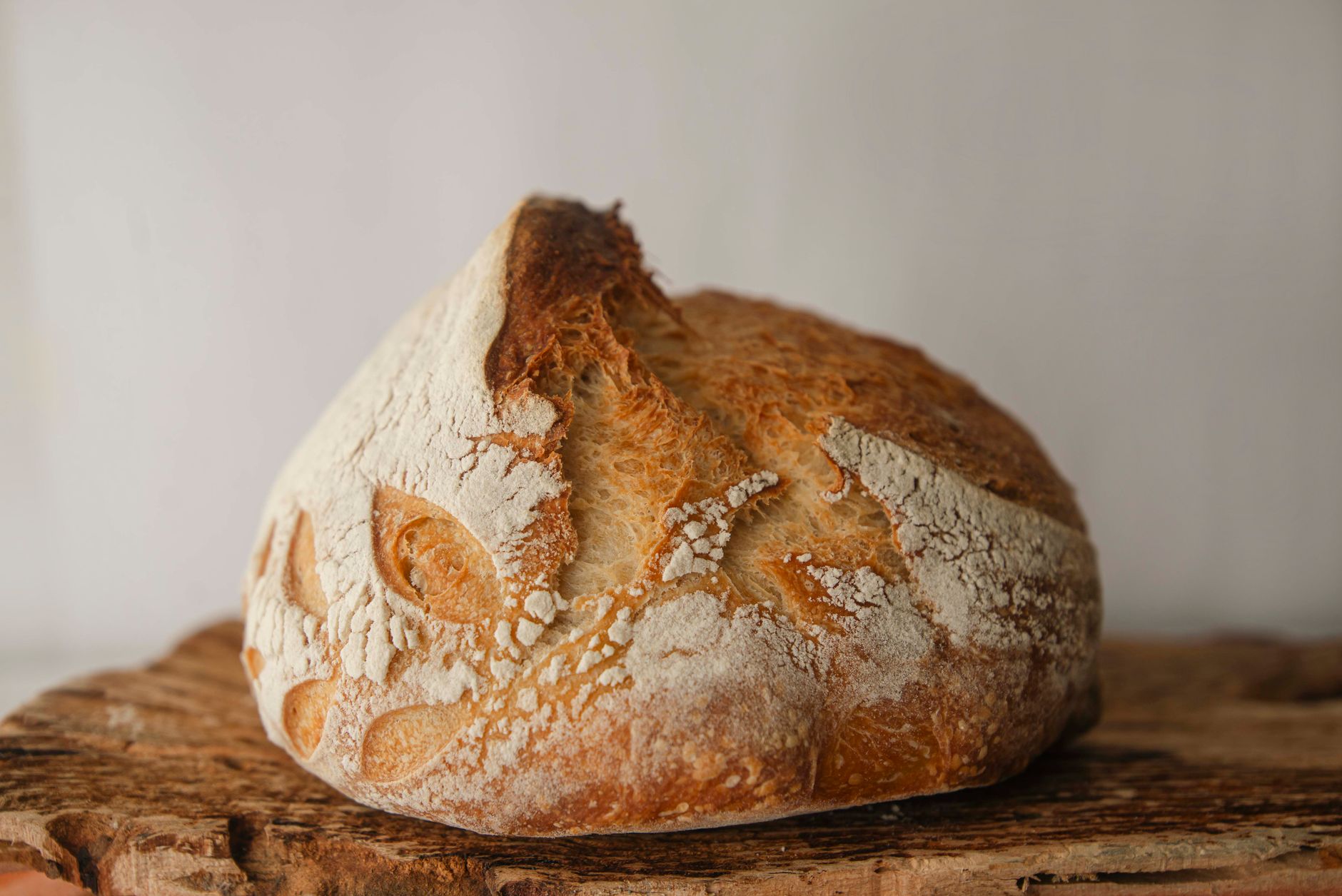
Understanding the characteristics and needs of sourdough starter can help you make the most of this versatile ingredient. By following the right storage methods and being aware of the signs of spoilage, you can keep your sourdough starter in great condition and produce fantastic, flavorful bread.
Can Sourdough Starter Go Bad?
Yes, sourdough starter can go bad, but it’s essential to note that it doesn’t spoil as most perishable foods do. Instead, it may become weak and less effective over time, or it can develop mold or an off-smell indicating spoilage. Knowing how to care for your starter is key to maintaining its health.
Understanding Sourdough Starter
Sourdough starter is a mixture of flour and water that captures wild yeast and lactic acid bacteria from the environment. This culture ferments over time and raises bread by producing carbon dioxide, which creates that delightful airy texture.
- Composition: Typically made from just flour and water, it thrives on the natural microorganisms in the environment.
- Fermentation: It requires regular feeding to replenish nutrients while developing a tangy flavor.
- Visual Signs: Healthy sourdough starter exhibits bubbles, a pleasant sour aroma, and a loose consistency.
Shelf Life of Sourdough Starter
The shelf life of sourdough starter varies depending on several factors, including how it’s stored and maintained. Generally, it can last indefinitely if properly cared for, but it may weaken over time. Here’s a breakdown:
At Room Temperature
If you’re keeping your sourdough starter at room temperature, it should be fed once every 12 hours to ensure it remains active. Under these conditions, it can last about one to two weeks before it starts to weaken significantly.
In the Refrigerator
Storing sourdough starter in the refrigerator slows down fermentation and allows for less frequent feedings, typically once a week or every two weeks. When kept cold, a well-fed starter can last anywhere from a month to several months, but it’s important to feed it every few weeks to keep it thriving.
Freezing Sourdough Starter
If you plan to store sourdough starter for an extended period, freezing is an option. Transfer your starter to a freezer-safe container, and it can last for up to a year. When you’re ready to use it, thaw it in the refrigerator, then feed it to reactivate.
Signs Your Sourdough Starter Has Gone Bad
While observing your sourdough starter regularly can help maintain its vitality, here are some signs indicating it may have gone bad:
- Off Smell: If your starter emits a foul odor, such as a burnt or putrid scent, it is likely spoiled.
- Mold Growth: Visible mold in various colors (green, black, or white fuzz) indicates the starter is no longer safe to use.
- Discoloration: A change in color, such as a pinkish hue, may signify bacterial contamination.
- Lack of Bubbles: An inactive starter that doesn’t bubble after feeding means it may no longer be viable.
How to Store Sourdough Starter
Proper storage is vital to keep your sourdough starter healthy. Here are suitable storage methods:
Storing at Room Temperature
- Use a glass, plastic, or ceramic container for your starter. Avoid metal containers as they can react with the culture.
- Feed the starter every 12 hours with equal parts flour and water to maintain its health.
- Keep it in a warm area, away from direct sunlight.
Refrigerating Sourdough Starter
- Feed the starter, then cover it loosely to allow gases to escape.
- Place it in the refrigerator and check it every week.
- Feed it once a week, throwing away half the starter before each feeding to refresh its nutrients.
Freezing Sourdough Starter
- Divide the starter into portions suitable for future baking tasks.
- Transfer the portions to freezer-safe containers or bags, removing air before sealing.
- Label the containers with the date and freeze them.
- To use, thaw the starter in the refrigerator overnight and feed it as usual.
Reviving a Dormant Sourdough Starter
If your sourdough starter has been in the refrigerator for a while and appears sluggish or inactive, you can easily revive it:
- Remove it from the refrigerator and let it sit at room temperature for a few hours.
- Discard half the starter and feed it with equal parts flour and water.
- Let it sit at room temperature for 4 to 12 hours until bubbles form and it increases in volume.
- Repeat the feeding process daily for a few days until it becomes vigorous again.
Common Mistakes in Sourdough Starter Care
Maintaining a healthy sourdough starter can be tricky, especially for beginners. Here are common mistakes to avoid:
- Infrequent Feedings: Skipping feedings can lead to a weakened starter and cause it to lose its ability to leaven bread.
- Using Chlorinated Water: Tap water containing chlorine can kill the beneficial microorganisms in the starter. Use filtered water instead.
- Neglecting to Check for Signs: Regularly observe your starter for signs of spoilage or inactivity.
- Not Discarding Properly: Discarding half of the starter during feedings is crucial to maintain a balanced culture.
Practical Tips for Sourdough Starter Maintenance
Here are additional tips to ensure your sourdough starter thrives:
- Use the Right Flour: Whole grain flours, such as whole wheat or rye, contain more nutrients and can better nurture your starter.
- Keep It at Consistent Temperature: Sourdough starters thrive at warm room temperatures, typically between 70°F to 85°F (21°C to 29°C).
- Different Colors of Flour: Mixing different types of flour can introduce new bacteria and yeast, giving your starter a unique flavor profile.
- Document Your Progress: Keep a notebook to record feeding times, smells, and any changes, which can help you identify issues early.
Conclusion
While sourdough starter can go bad, with proper care, it can last indefinitely and continue contributing to delicious baked goods. Whether you store it at room temperature, in the refrigerator, or even freeze it, keeping an eye on its health and activity is crucial. By knowing the signs of spoilage and understanding how to care for your starter, you can enjoy the warmth of homemade sourdough bread for years to come.
For even more sourdough recipes, consider exploring King Arthur Sourdough Recipe or the Einkorn Sourdough Bread Recipe for fresh ideas and inspiration.