
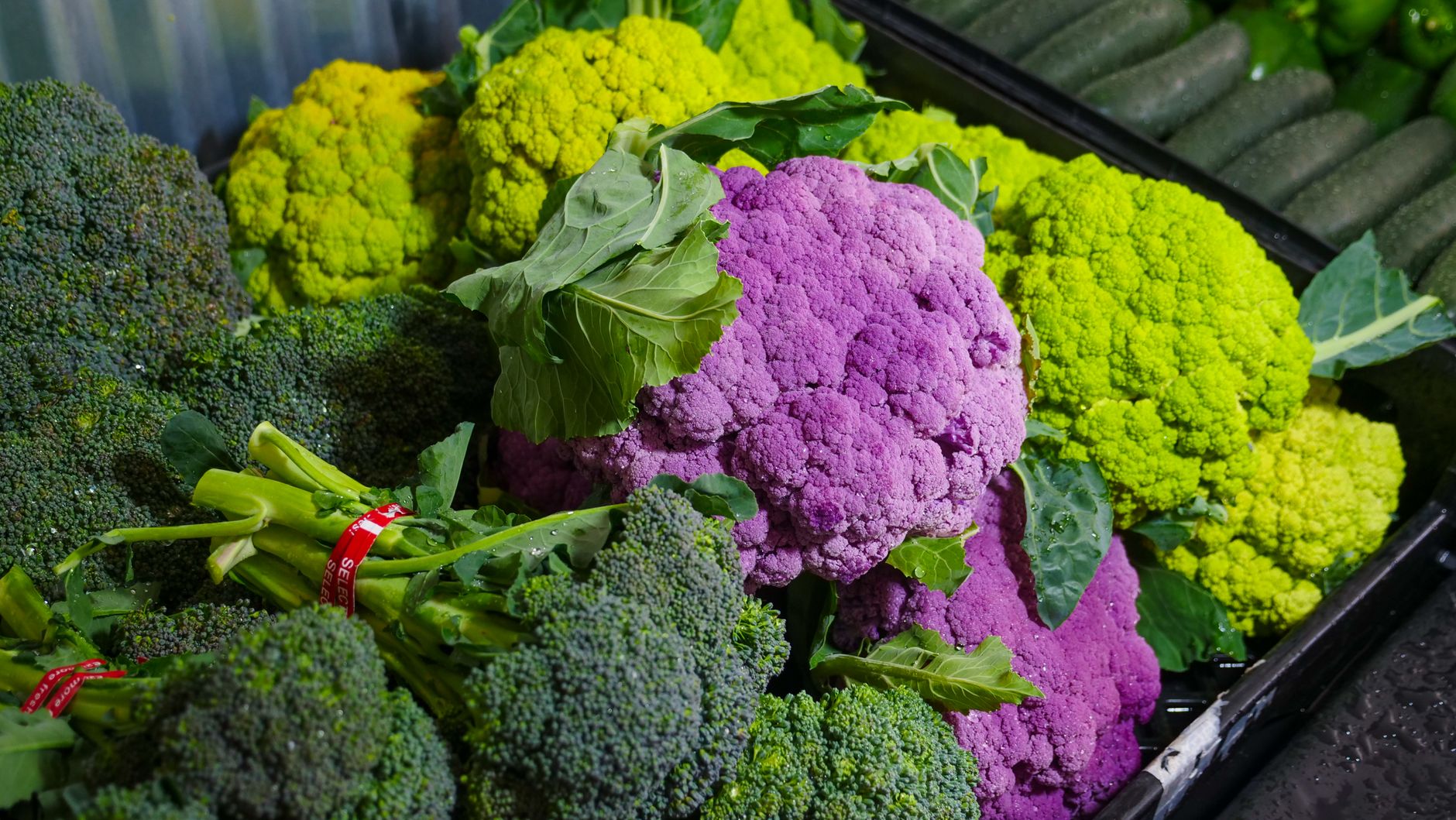
When deciding between broccoli and cauliflower, two popular cruciferous vegetables, both have impressive nutrient profiles. However, many wonder which one is healthier. This article offers an in-depth look at the nutritional benefits, culinary uses, and preparation tips to help you make the best choice for your dietary needs.
Moreover, this exploration into broccoli and cauliflower not only informs you about their health benefits but also provides practical guidance on how to incorporate them into your meals. So, whether you’re planning a hearty dinner or a light snack, understanding these vegetables can elevate your cooking.
Is Broccoli or Cauliflower Healthier?
Broccoli is generally seen as the healthier option due to its higher vitamin C and K content, as well as additional antioxidants. However, cauliflower is lower in calories and carbohydrates, appealing to those on low-carb diets. Your choice may ultimately depend on specific dietary needs and personal preferences.
The Nutritional Breakdown
To understand the health benefits of broccoli and cauliflower, let’s break down the nutrition provided by each of these vegetables.
Broccoli Nutrition
Broccoli is a powerhouse of nutrients. Here’s a quick overview of a one-cup serving of raw broccoli:
- Calories: 31
- Protein: 2.5 grams
- Carbohydrates: 6 grams
- Fiber: 2.4 grams
- Vitamin C: 135% of the Daily Value (DV)
- Vitamin K: 116% of the DV
- Folate: 14% of the DV
- Potassium: 8% of the DV
Additionally, broccoli contains sulforaphane, an antioxidant known for potentially reducing inflammation and protecting against cancer.
Cauliflower Nutrition
Cauliflower is also nutrient-dense but offers a different set of benefits. A one-cup serving of raw cauliflower provides:
- Calories: 25
- Protein: 2 grams
- Carbohydrates: 5 grams
- Fiber: 2 grams
- Vitamin C: 77% of the DV
- Vitamin K: 20% of the DV
- Folate: 14% of the DV
- Potassium: 9% of the DV
Cauliflower is low in calories and rich in fiber, which can aid in weight management and digestion.
Health Benefits of Each Vegetable
Both vegetables offer unique health benefits. Understanding these can help guide your dietary choices.
Benefits of Broccoli
- Rich in Antioxidants: Broccoli contains antioxidants like Vitamin C, which combats oxidative stress and inflammation.
- Bone Health: The high vitamin K content in broccoli supports calcium absorption, promoting stronger bones.
- Digestive Health: Its fiber content is beneficial for maintaining a healthy gut and preventing constipation.
- Potential Cancer Protection: Research suggests that compounds in broccoli can help detoxify the body and lower cancer risk.
Benefits of Cauliflower
- Weight Control: Low in calories, cauliflower can be a great addition to a weight loss plan.
- Heart Health: The fiber helps lower cholesterol levels and supports cardiovascular health.
- Antioxidant Properties: Cauliflower contains numerous antioxidants that support overall health.
- Versatile Alternative: Cauliflower is often used as a low-carb substitute for grains and legumes.
Culinary Uses
Both broccoli and cauliflower can be prepared in numerous ways, offering versatility in the kitchen. Here are some tips on how to cook each vegetable.
Cooking Broccoli
- Steaming: Steaming is a great way to retain broccoli’s nutrients. Steam for about 5-7 minutes until bright green and tender.
- Sautéing: Sauté in olive oil or garlic for added flavor, cooking for about 4-5 minutes.
- Roasting: To bring out the sweetness, roast broccoli at 425°F (220°C) for 20-25 minutes, tossing halfway through.
Cooking Cauliflower
- Steaming: Similar to broccoli, steam cauliflower for 7-10 minutes until tender.
- Pureeing: Cauliflower can be boiled, then blended to create a creamy purée as a lower-carb alternative to mashed potatoes.
- Roasting: Roast cauliflower florets with spices at 425°F (220°C) for about 25-30 minutes for a caramelized flavor.
Portion Sizes and Serving Suggestions
Knowing the optimal serving sizes can help integrate broccoli and cauliflower into your meals effectively.
The USDA recommends filling half your plate with vegetables, which can include a mix of both broccoli and cauliflower. A typical serving size is about one cup of raw or cooked broccoli or cauliflower.
Broccoli Serving Suggestions
- Add to salads for a crunch.
- Incorporate into stir-fries.
- Top pizzas or pastas with roasted broccoli for added flavor.
- Blend into smoothies for hidden nutrition.
Cauliflower Serving Suggestions
- Use instead of rice by grating it into rice-sized pieces.
- Add to soups as a thickener.
- Mix into casseroles for a creamy texture.
- Create cauliflower steaks seasoned with spices and roasted.
Practical Substitutions
If you’re looking to switch things up, both broccoli and cauliflower can be substituted in various recipes. Here are some practical tips:
Substituting Broccoli and Cauliflower
- Broccoli for Cauliflower: Use broccoli in casseroles or purees when you want a more robust flavor and a green hue.
- Cauliflower for Broccoli: Cauliflower can replace broccoli in stir-fries for a milder flavor or in salads for a lighter touch.
Common Mistakes to Avoid
When cooking with these vegetables, there are a few mistakes to steer clear of to maximize their flavor and nutrients.
Broccoli
- Avoid overcooking, which can lead to a mushy texture and loss of nutrients. Aim for a vibrant green color and tender-crisp texture.
- Don’t forget to wash thoroughly to remove any dirt or pesticides.
Cauliflower
- Be cautious with boiling; it can quickly turn mushy. Steaming or roasting keeps the texture intact.
- Remove the leaves before cooking but leave some stems on for better handling.
Meal Planning with Broccoli and Cauliflower
Incorporating both vegetables into your meal plan can provide balance and variety. Consider the following tips:
- Batch cook steamed or roasted broccoli and cauliflower to use throughout the week in various meals.
- Use leftovers in salads, omelets, or mixed vegetables.
- Plan a weekly vegetarian night featuring either broccoli or cauliflower as a star ingredient.
Storage Tips
To prolong the freshness of broccoli and cauliflower, proper storage is essential.
Storing Broccoli
- Keep broccoli in the fridge in a perforated plastic bag to allow it to breathe and maintain moisture.
- Consume it within three to five days for optimal freshness.
Storing Cauliflower
- Store cauliflower similarly in a perforated bag, preferably away from fruits that emit ethylene gas, such as apples.
- It can last a bit longer, about a week, if stored properly.
Conclusion
Whether you choose broccoli or cauliflower, both vegetables offer remarkable health benefits and versatile culinary uses. Broccoli is often seen as the healthier option due to its higher vitamin content, while cauliflower remains popular for its low-calorie, low-carb profile. Ultimately, integrating both into your diet provides variety and a wealth of nutrients for overall health.
Consider exploring related recipes, cooking tips, or food guides to enhance your culinary repertoire. Here are some links to help you on your journey: Does Broccoli Have Carbs? and Ground Beef and Broccoli Recipe.