
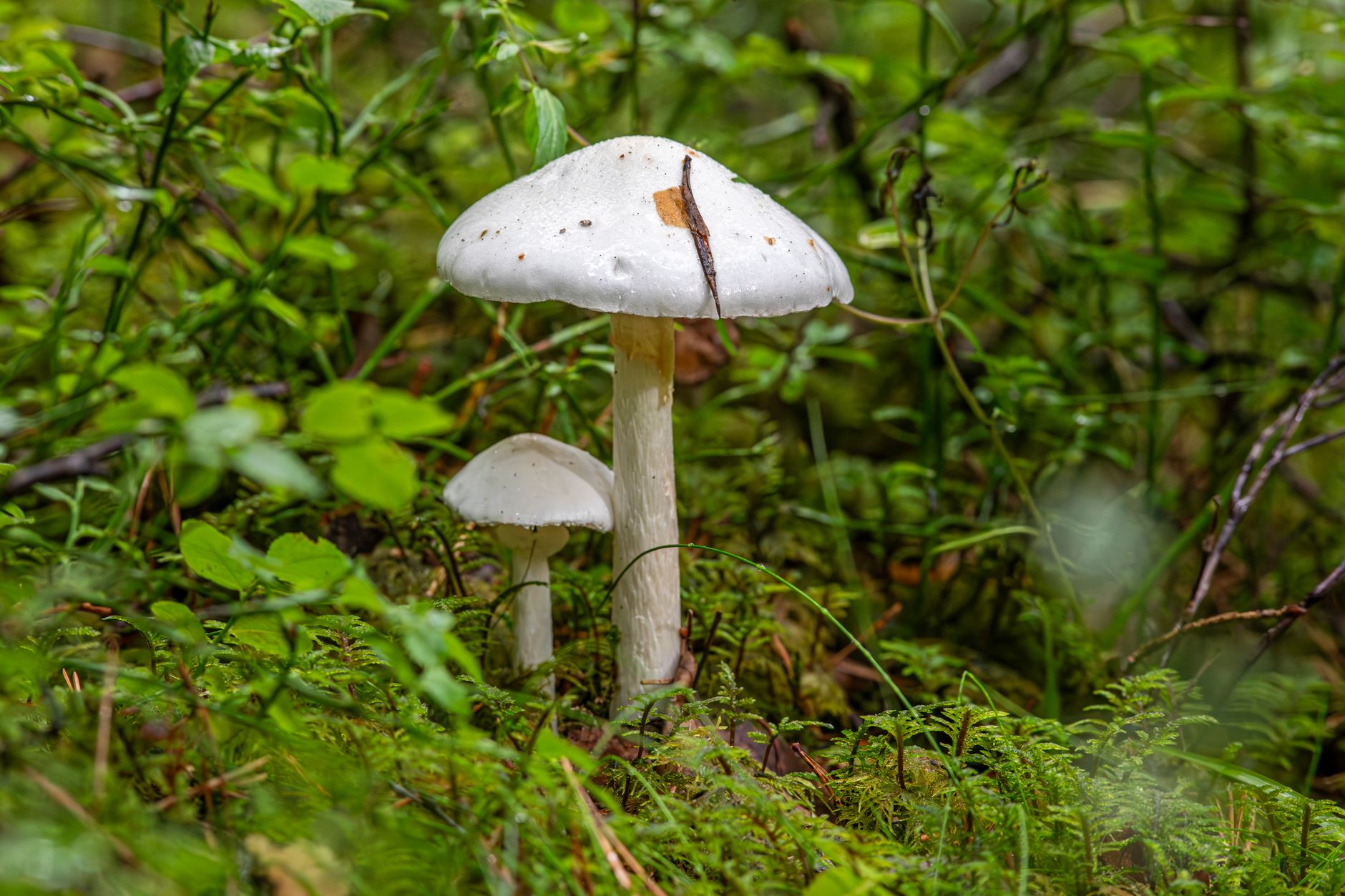
Mushrooms are a versatile and flavorful addition to many culinary dishes, but some varieties can be harmful or even deadly. Identifying which mushrooms are poisonous is crucial for both foragers and home cooks. Understanding the characteristics of toxic mushrooms will help keep you and your loved ones safe while exploring the world of fungi.
This detailed guide covers the types of poisonous mushrooms, their distinguishing features, and cooking tips to ensure you enjoy the safe variety. Let’s delve into the essential knowledge needed to identify hazardous mushrooms and expand your culinary horizon responsibly.
Which Mushrooms Are Poisonous?
Some mushrooms possess toxic properties that can cause a range of symptoms, from mild gastrointestinal distress to severe liver failure. Common poisonous mushrooms include the Death Cap, Fly Agaric, and the False Morel, among others. Proper identification is key to avoiding these dangers and enjoying safe mushroom varieties.
Common Poisonous Mushrooms
There are several notorious poisonous mushrooms to be aware of. Below are some of the most dangerous varieties.
1. Death Cap (Amanita phalloides)
Considered the deadliest mushroom in the world, the Death Cap has a greenish-yellow cap with white gills and a white stem. It often resembles edible species.
- Symptoms: Nausea, vomiting, and abdominal pain develop within 6-12 hours, followed by liver and kidney failure.
- Where Found: Typically grows in association with oak, beech, and pine trees.
2. Fly Agaric (Amanita muscaria)
Easily recognized by its bright red cap covered in white spots, the Fly Agaric is toxic but not typically fatal. It may cause hallucinations and delirium.
- Symptoms: Dizziness, nausea, and confusion.
- Where Found: Commonly found in forests with birch and pine trees, especially in northern regions.
3. False Morel (Gyromitra spp.)
The False Morel resembles the edible morel but has an irregular, lobed appearance. It can be extremely toxic, with some types causing severe poisoning.
- Symptoms: Gastrointestinal distress and potential liver damage.
- Where Found: Often found in disturbed areas and near certain trees, such as elms and pines.
4. Destroying Angel (Amanita bisporigera)
Similar to the Death Cap, the Destroying Angel has a white cap and stalk. It is equally lethal and often grows in the same environments.
- Symptoms: Severe abdominal pain, liver failure, and often fatal if untreated.
- Where Found: Frequently found in deciduous forests, particularly near oaks.
5. Conocybe filaris
This mushroom is another deadly variety often confused with edible species. It can cause severe liver damage.
- Symptoms: Similar to Death Cap, including abdominal pain and liver failure.
- Where Found: Often grows in grassy areas, particularly rich in organic material.
How to Identify Poisonous Mushrooms
Identifying poisonous mushrooms requires careful observation of their physical traits. Here are some key characteristics to look for when foraging or buying mushrooms:
- Cap color and texture: Many poisonous mushrooms have distinct cap colors and textures. Familiarize yourself with regional varieties.
- Gills: The type of gills (attached, free, or descending) can help distinguish poisonous from edible mushrooms.
- Stems and rings: Look for rings or volva at the base of the stem, which can indicate toxicity.
- Spore print: Taking a spore print can help with identification; different mushrooms produce different colors.
Cooking with Mushrooms
Safe mushroom varieties can be a delicious addition to your meals. Here are a few popular edible mushrooms and their culinary uses:
Common Edible Mushrooms
- Button Mushrooms (Agaricus bisporus): Versatile mushrooms often used in salads, soups, and stir-fries.
- Shiitake Mushrooms (Lentinula edodes): Known for their rich flavor; ideal for stir-fry or soups.
- Portobello Mushrooms (Agaricus bisporus): Large and meaty; great for grilling or as a burger substitute.
- Oyster Mushrooms (Pleurotus ostreatus): Soft texture and delicate flavor; suitable for sautés and pasta dishes.
- Enoki Mushrooms (Flammulina velutipes): Crunchy and mild-flavored; perfect for salads and Asian dishes.
Cooking Tips for Safe Mushroom Use
While cooking with mushrooms can be rewarding, it’s essential to keep these safety tips in mind:
- Buy from reputable sources: Purchase mushrooms from grocery stores or markets with good reputations to avoid toxic varieties.
- Don’t rely on folklore: Many claims about mushroom edibility are based on myths. Always verify identifications scientifically.
- Cook thoroughly: Many mushrooms are best when cooked, as this can break down toxins present in some varieties.
- Store properly: Keep mushrooms in a cool, dry place, and discard any that appear moldy or slimy.
Common Mistakes When Foraging for Mushrooms
Even experienced foragers can sometimes make mistakes. Here are a few common pitfalls to avoid:
- Misidentification of species due to superficial similarities. Always cross-reference with a reliable field guide.
- Assuming that mushrooms are safe because animals eat them. Animals often can tolerate toxins that humans cannot.
- Foraging in polluted areas, as toxins can accumulate in mushrooms, making them unsafe to eat.
What to Do If You Suspect Mushroom Poisoning
If you suspect someone has ingested a poisonous mushroom, take the following steps:
- Do not induce vomiting unless directed by a medical professional.
- Call emergency services or take the person to the hospital immediately.
- If possible, take a sample of the mushroom for identification when seeking medical help.
How to Enjoy Edible Mushrooms Safely
To ensure a safe and enjoyable experience with mushrooms, consider these additional points:
- Find a mentor: If you are new to foraging, consider joining a local mycology club or taking a class to learn more.
- Practice proper identification: Even with edible mushrooms, proper identification is critical to prevent errors.
- Cook mushrooms: Cooking can enhance flavor and also help eliminate some toxins present in certain varieties.
Storage and Preservation
Proper storage and preservation are crucial to maintaining the quality of edible mushrooms:
- Refrigerate fresh mushrooms in a paper bag to allow them to breathe.
- Freeze mushrooms after cooking or blanching to preserve their flavor and texture.
Final Thoughts on Mushroom Safety
Identifying which mushrooms are poisonous is essential for any culinary enthusiast, especially for those who forage in the wild. By familiarizing yourself with the characteristics of toxic mushrooms and strictly adhering to safe foraging practices, you can confidently enjoy the delicious flavors that edible mushrooms bring to your cooking.
As you expand your culinary repertoire, consider exploring recipes featuring safe mushrooms, like enoki or king oyster mushrooms. Understanding the distinctions and safety measures allows you to enjoy the best of what mushrooms have to offer without the risks.
Explore more cooking ideas with enoki mushrooms or learn about new recipes featuring king oyster mushrooms. Safe cooking!