
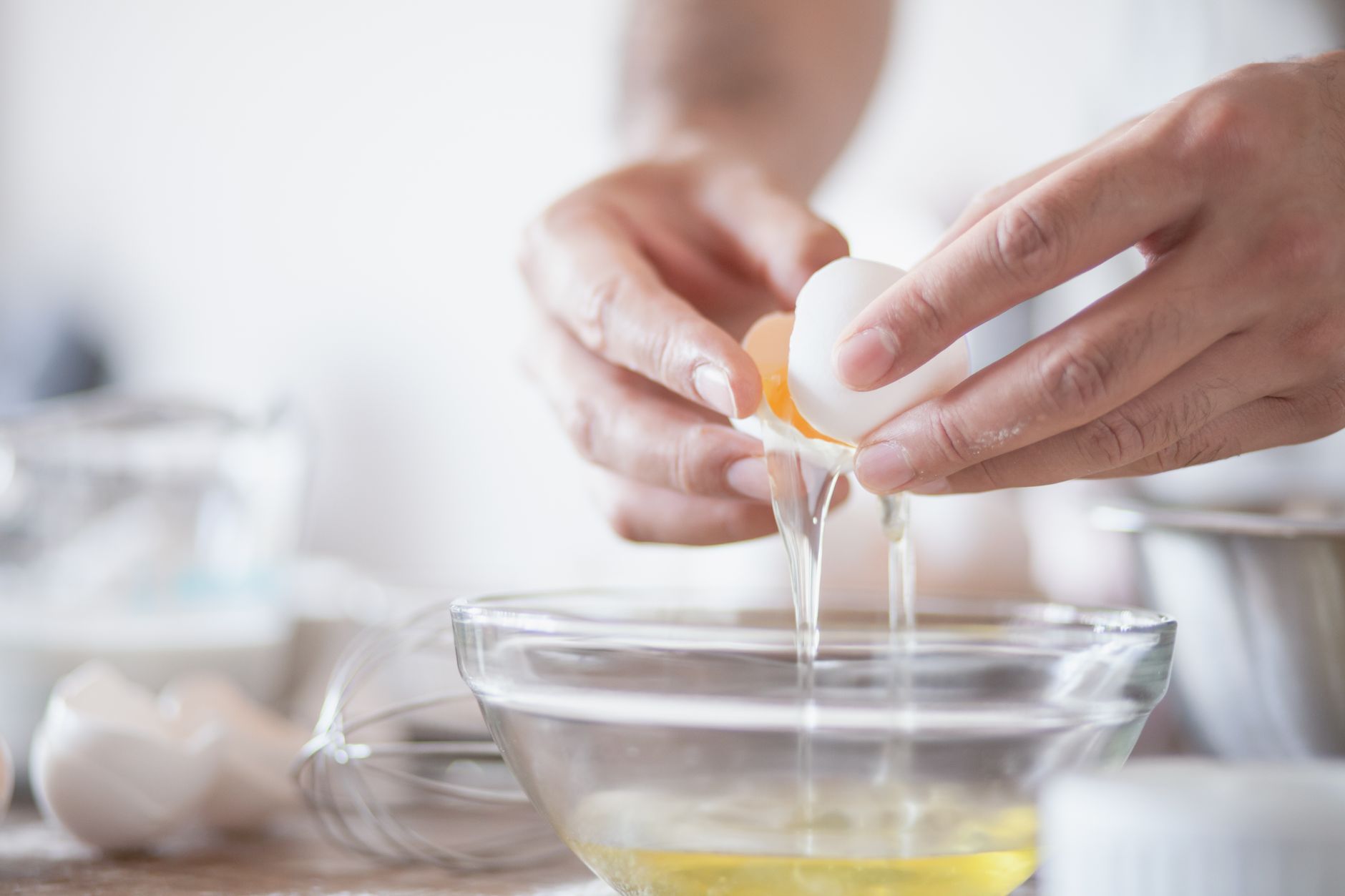
Eggs are a staple ingredient in many households, valued for their versatility and nutritional benefits. However, knowing when eggs have gone bad is crucial for both food safety and quality in cooking. This guide will help you determine the freshness of your eggs and provide essential tips on storage and shelf life.
Whether you’re cracking an egg for breakfast, baking, or preparing a meal, understanding how to tell if an egg is good or bad can prevent foodborne illness and wasted ingredients. Read on for practical advice to keep your eggs safe and delicious.
How Do I Tell If An Egg Is Bad?
You can tell if an egg is bad by checking its physical appearance, scent, and freshness tests. Fresh eggs usually have a clean shell, do not emit unpleasant odors, and sink in water. If any of these indicators are off, discard the egg to ensure your safety.
Signs That Indicate an Egg Is Bad
1. Visual Inspection
Check the shell of the egg carefully. A healthy egg will have a clean and intact shell. If you see any cracks, sliminess, or powdery residue, it may be spoiled.
- Cracks and Leaks: Cracked eggs can allow bacteria to enter, increasing the risk of contamination.
- Discoloration: Any unusual colors, such as red, green, or black spots on the shell or inside the egg, indicate spoilage.
- Moisture or Sliminess: A wet, slimy surface on the shell can be a sign of decay.
2. Smell Test
The sniff test is one of the most reliable methods to determine whether an egg has gone bad. Fresh eggs have almost no smell when cracked open. If you detect a sulfur-like or rotten odor, it’s best to discard the egg immediately.
3. Freshness Tests
Several simple tests can confirm the freshness of your eggs, including the water test and the shake test.
- Water Test: Fill a bowl with water and gently place the egg in it. A fresh egg will sink and lay flat on the bottom. A slightly older egg will stand upright on the bottom, while a bad egg will float. Floating is caused by the egg’s air cell enlarging as it spoils, increasing buoyancy.
- Shake Test: Hold the egg up to your ear and gently shake it. If you hear sloshing sounds inside, it’s a sign the egg is bad due to the broken yolk and white.
The Shelf Life of Eggs
Understanding how long eggs last is essential for meal planning and avoiding spoilage. Here’s a breakdown of the shelf life of eggs under various conditions.
1. Refrigerated Eggs
When stored in the refrigerator, eggs can last quite a while. The general rule of thumb is as follows:
- Raw eggs in their shell: Up to 3-5 weeks past the sell-by date.
- Raw egg whites and yolks: 2-4 days in the fridge.
- Hard-boiled eggs: 1 week, if properly stored.
2. Frozen Eggs
Eggs can also be frozen for extended storage. Here’s how it works:
- Raw eggs: Beat until mixed, then freeze in an airtight container. They can last up to a year in the freezer.
- Cooked eggs: Not recommended for freezing, as the texture changes significantly upon thawing.
3. Room Temperature Eggs
In some countries, it’s common to store eggs at room temperature, but this is less common in the U.S. Here’s what you should know:
- Eggs stored unopened can last for about two weeks at room temperature, but their quality diminishes more quickly than refrigerated eggs.
Proper Egg Storage Techniques
To maximize the shelf life and quality of your eggs, proper storage is important. Follow these tips:
- Keep Them Refrigerated: Always store eggs in the refrigerator at a temperature below 40°F (4°C).
- Store in Carton: Keep eggs in their original carton to protect them from absorbing odors and to retain moisture.
- Don’t Wash Before Storing: Washing eggs can remove the natural protective coating on the shell, increasing the risk of contamination.
- Keep Away from Strong Odors: Store eggs away from foods with strong odors, as eggs can absorb these smells.
FAQs About Eggs
Can I eat eggs past their sell-by date?
Yes, you can still consume eggs past their sell-by date, as long as they have been stored correctly. Follow the freshness tests mentioned above to ensure they are safe to eat.
Are organic eggs better than conventional eggs?
Organic eggs come from hens that are fed organic feed and are not given antibiotics or hormones. They may taste better to some people, but there’s not a significant difference in shelf life.
How long do boiled eggs last in the fridge?
Hard-boiled eggs can last for up to one week when stored in the refrigerator, so it’s a great way to prepare them in advance for meals or snacks.
Common Mistakes When Storing Eggs
Being aware of common mistakes can help ensure that your eggs remain fresh and safe to eat.
- Storing on the Door: Many people store eggs in the refrigerator door. However, this area experiences temperature fluctuations due to frequent opening. Store them on a middle shelf instead.
- Leaving Eggs in Their Packaging: If you have an egg carton from the store, it’s best to use that until the eggs are fully consumed to maintain freshness.
- Relying on Expiration Dates Alone: Always use the freshness tests outlined earlier to confirm if an egg is still good to eat, regardless of expiration dates.
What to Do with Bad Eggs
If you’ve confirmed an egg is bad, it is crucial to dispose of it immediately to avoid any health risks. Here are some tips for safely discarding bad eggs:
- Sealing in a plastic bag can help neutralize odors.
- Do not compost eggshells from bad eggs, as they can attract pests and carry bacteria.
- Dispose of bad eggs in the trash, ensuring they are sealed to prevent leakage.
Cooking and Baking with Eggs
When cooking or baking, using fresh eggs can significantly influence the quality of your dishes. Here are a few practical tips to enhance your egg-based recipes:
- Check for Freshness: Always check the freshness of your eggs before incorporating them into your recipes.
- Room Temperature Eggs: For many baking recipes, using eggs at room temperature leads to better mixing and results in fluffier cakes and pastries.
Handling Eggs Safely
To prevent the risk of foodborne illness, it’s essential to handle eggs safely during preparation:
- Wash your hands, utensils, and surfaces before and after coming into contact with raw eggs.
- Keep eggs and egg dishes separate from other foods to prevent cross-contamination.
- Cook eggs thoroughly to a safe internal temperature of 160°F (71°C) to eliminate harmful bacteria.
Conclusion
Understanding how to tell if an egg is bad not only helps ensure food safety but also maximizes the quality of your meals. By employing visual checks, smell tests, and simple freshness tests, you can easily determine whether your eggs are good to use. Remember to store eggs properly and follow safe handling practices to enjoy their nutritional benefits.
Explore more insights on egg freshness with our guides on when eggs go bad and how long eggs last after their sell-by date. Keeping your kitchen safe and efficient is our priority!