
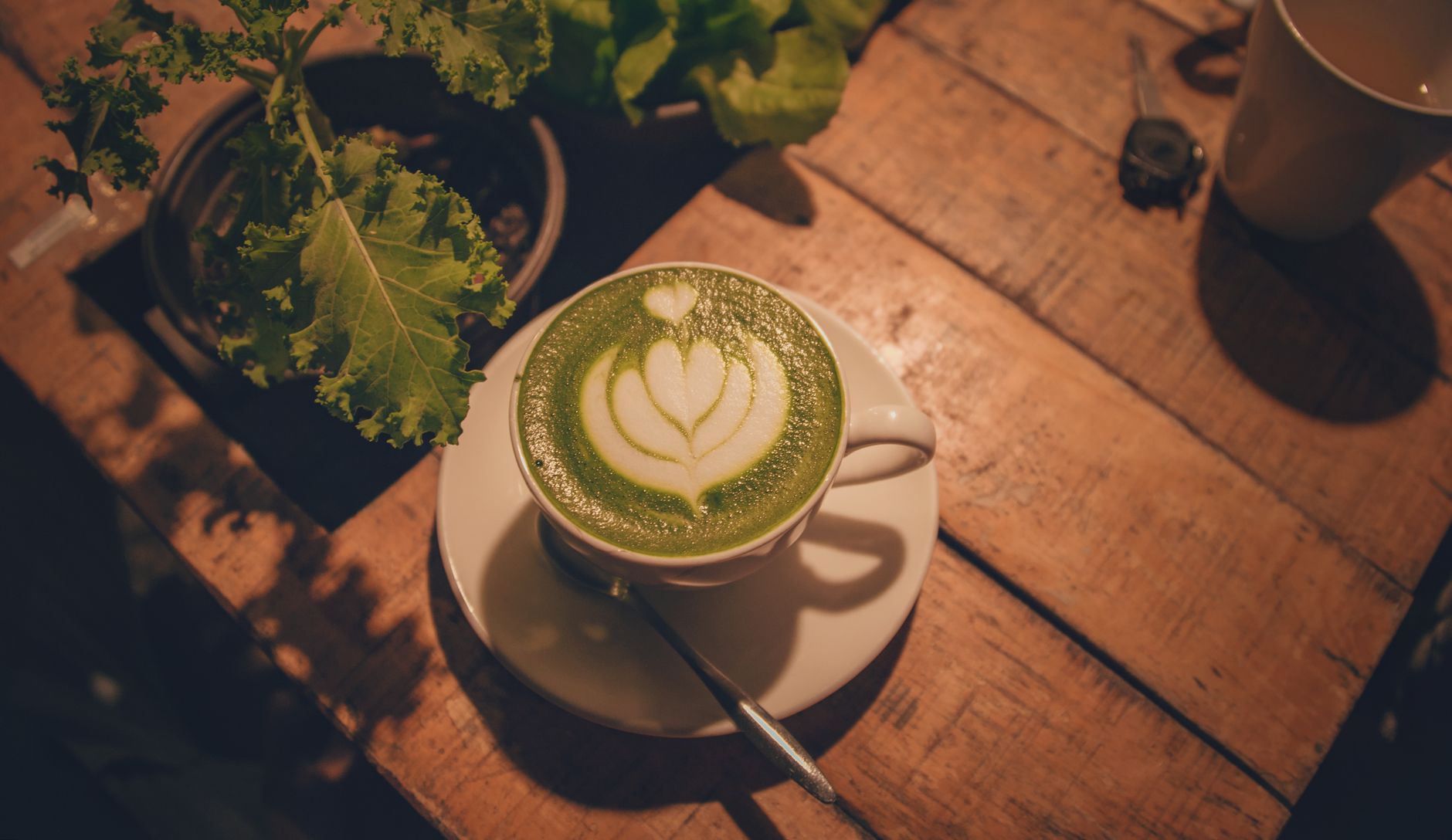
Matcha has gained immense popularity for its unique flavor and vibrant color, but many are curious about its caffeine content. As a finely ground powder made from specially grown and processed green tea leaves, matcha carries a distinct profile that often raises questions regarding its energizing properties.
This article will answer the question: does matcha have caffeine? We will explore its caffeine content, culinary uses, health benefits, and various serving ideas to help you incorporate this refreshing ingredient into your daily routine.
Does Matcha Have Caffeine?
Yes, matcha does contain caffeine. On average, a serving (1 gram) of matcha contains about 70 milligrams of caffeine, which is more than your typical cup of green tea but less than a cup of coffee. The caffeine in matcha can provide a gentle lift that is often described as offering sustained energy without the jitters.
Understanding Matcha’s Caffeine Content
To compare matcha with other beverages, it’s important to note how caffeine content can vary based on preparation methods and serving sizes. For example:
- 1 cup of brewed green tea (about 240 ml) contains roughly 30-50 mg of caffeine.
- 1 cup of brewed coffee (about 240 ml) contains approximately 95 mg of caffeine.
- 1 serving (about 1 gram) of matcha provides about 70 mg of caffeine.
Thus, matcha holds a middle ground in terms of caffeine content among popular beverages. It’s worth noting that when you consume matcha, you ingest the whole tea leaf, which adds to its nutritional profile.
The Unique Effects of Matcha’s Caffeine
While the caffeine in matcha can stimulate the mind and body, it is often accompanied by L-theanine, an amino acid found naturally in tea. This combination is key to the balanced effects that matcha offers.
- Calm Energy: The L-theanine promotes relaxation without drowsiness, which is believed to smooth out the caffeine’s stimulating effects.
- Mental Clarity: Many users report increased focus and mental clarity after consuming matcha, combining the restorative and energizing properties.
This synergy makes matcha a popular choice for those seeking an energy boost without the crash often associated with coffee.
Culinary Uses of Matcha
Matcha is incredibly versatile, allowing it to be used in various culinary applications. Here are some popular ways you can utilize matcha in your kitchen:
1. Beverages
Matcha can be used to create a variety of delicious drinks, both hot and cold.
- Matcha Latte: Combine matcha powder with steamed milk (dairy or plant-based) and sweetener for a smooth, creamy drink.
- Iced Matcha: Mix matcha with cold water or milk, and serve over ice for a refreshing summer drink.
- Smoothies: Blend matcha with fruits, yogurt, and other smoothie ingredients for a nutrient-dense breakfast or snack.
2. Baking
Matcha can be added to baked goods to enhance both flavor and color.
- Cookies: Incorporate matcha into cookie dough for a unique twist on classic recipes.
- Cakes: Use matcha as a natural food coloring and flavoring agent in cakes and cupcakes.
- Brownies: Try adding matcha to brownie batter for an interesting flavor contrast.
3. Savory Dishes
Matcha can also find its way into savory dishes, though this is less common.
- Seasoning: Use matcha as a seasoning for roasted vegetables or incorporate it into sauces for a unique flavor profile.
- Rice Dishes: Mix matcha with rice or grain dishes for added color and slight earthiness.
Popular Matcha Recipes
These recipes showcase the versatility of matcha while allowing you to enjoy its unique flavor and health benefits.
Matcha Latte Recipe
This creamy matcha latte is delicious and easy to make. Below are the estimated yields and timings:
- Yield: 1 serving
- Preparation Time: 5 minutes
- Cooking Time: 0 minutes
- Total Time: 5 minutes
Ingredients:
- 1 teaspoon matcha powder
- 1 cup milk (dairy or plant-based)
- 1-2 teaspoons sweetener (honey, maple syrup, or sugar)
- Hot water (about 2 ounces)
Essential Equipment:
- Small bowl for matcha
- Whisk or frother
- Mug
Instructions:
- In a small bowl, add the matcha powder.
- Pour in about 2 ounces of hot water and whisk until the matcha is dissolved and frothy.
- In a saucepan, heat the milk on low until warm (do not boil).
- Froth the milk using a frother or whisk until creamy.
- Combine the matcha mixture with the frothed milk and add sweetener as desired. Serve immediately.
Matcha Cookies Recipe
These matcha cookies are a delightful treat and can be made fairly easily.
- Yield: 12 cookies
- Preparation Time: 15 minutes
- Cooking Time: 12 minutes
- Total Time: 27 minutes
Ingredients:
- 1 cup all-purpose flour
- 1 tablespoon matcha powder
- 1/2 teaspoon baking powder
- 1/4 teaspoon salt
- 1/2 cup butter, softened
- 1/2 cup sugar
- 1 egg
- 1/2 teaspoon vanilla extract
Essential Equipment:
- Baking sheet
- Bowl for mixing
- Whisk
Instructions:
- Preheat the oven to 350°F (175°C) and line the baking sheet with parchment paper.
- In a bowl, combine flour, matcha powder, baking powder, and salt.
- In another large bowl, beat the butter and sugar until fluffy.
- Add the egg and vanilla extract to the butter mixture; mix well.
- Gradually add the dry ingredients to the wet mixture, stirring until just combined.
- Drop spoonfuls of dough onto the prepared baking sheet, spacing them out.
- Bake for 12 minutes or until the edges are set. Let them cool on a wire rack.
Health Benefits of Matcha
While matcha delivers caffeine, it also boasts an array of health benefits that complement its role as a beverage and ingredient. Some remarkable benefits include:
- Antioxidants: Matcha is rich in catechins, particularly epigallocatechin gallate (EGCG), which may help fight free radicals in the body.
- Heart Health: Regular consumption of green tea and matcha can support heart health, potentially lowering cholesterol and blood pressure levels.
- Weight Management: Matcha may aid in metabolism, assisting in weight loss when combined with a balanced diet.
- Boosted Mood: The combination of caffeine and L-theanine can positively influence mood, providing a calming energy effect.
Common Mistakes to Avoid When Using Matcha
If you’re new to matcha, keep these tips in mind to achieve the best flavor and results:
- Using Boiling Water: Always use water below boiling (about 175°F or 80°C) to prevent bitterness.
- Not Whisking Properly: Take care to whisk matcha thoroughly to avoid lumps. A bamboo whisk (chasen) is traditional but not necessary.
- Overlooking Quality: Invest in high-quality, culinary-grade matcha for the best flavor. The vivid green color often signifies freshness.
Making Matcha Part of Your Routine
Incorporating matcha into your daily regimen offers not only its potential health benefits but also a delightful taste experience. Here are some suggestions for adding matcha to your routine:
- Add it to your morning smoothie for a nutritious start.
- Enjoy a matcha latte instead of your regular coffee during breakfast.
- Use it in baked goods for an afternoon snack.
How to Store Matcha
Proper storage helps maintain matcha’s freshness and potency. Follow these tips for optimal storage:
- Keep matcha in an airtight container to protect it from light, air, and moisture.
- Store it in a cool, dark place; refrigeration can help extend its shelf life.
- Use matcha within 3 months of opening for the best flavor and benefits.
In summary, matcha does indeed contain caffeine, offering a unique profile that combines energy with calmness thanks to its L-theanine content. Utilizing this vibrant green powder in various drinks, desserts, and savory dishes opens up a world of culinary creativity. Whether you’re drinking a matcha latte, baking matcha cookies, or adding it to your meals, the use of matcha can be both delicious and beneficial.
For delicious recipes that incorporate matcha, check out our Matcha Tiramisu Recipe or try something fruitier with our Strawberry Matcha Recipe.