
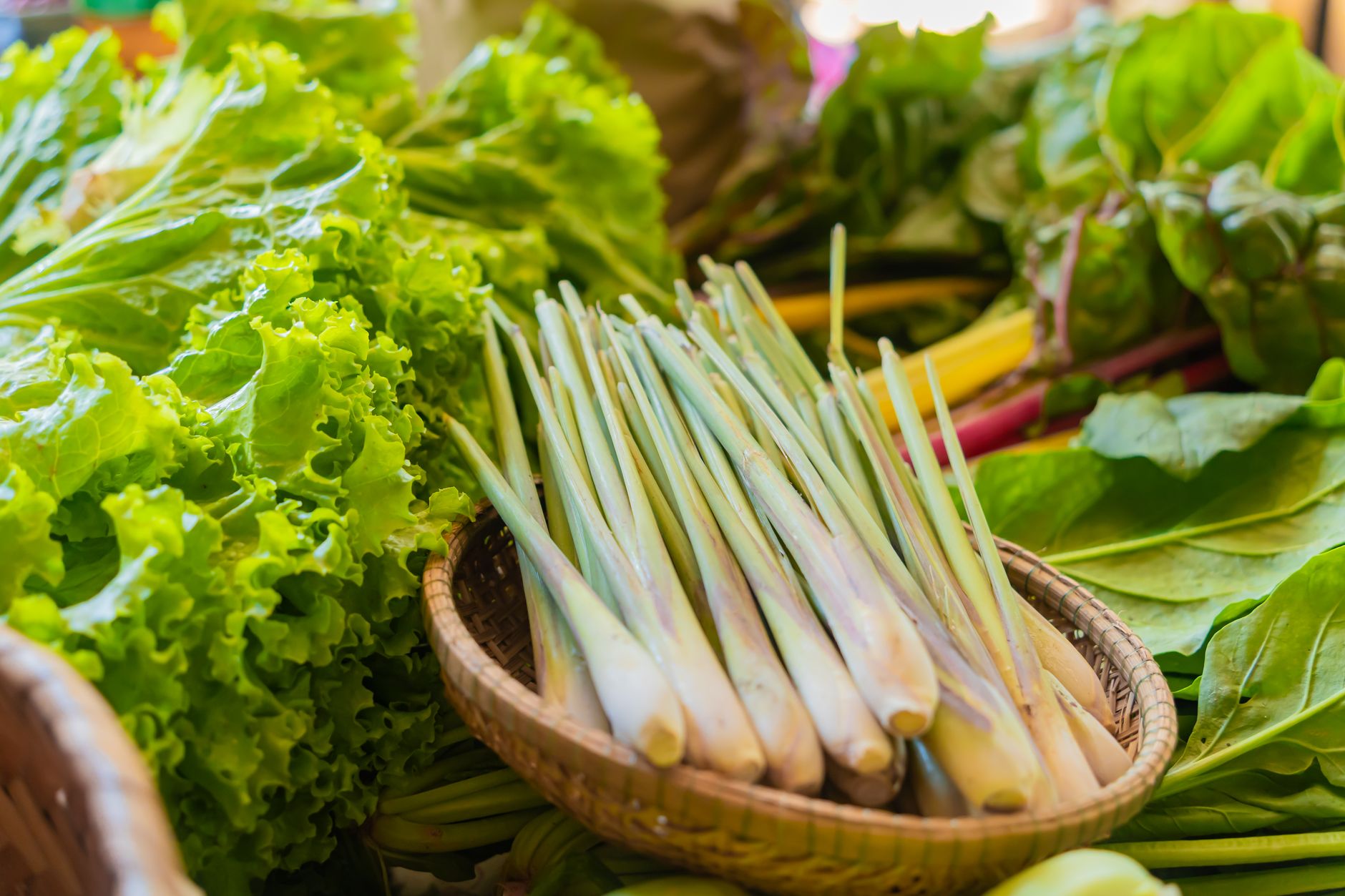
Lemongrass, a fragrant herb widely used in various cuisines, particularly in Southeast Asian dishes, offers much more than just flavor. It possesses a unique citrusy aroma and a fresh, mild taste that enhances soups, stir-fries, and salads. This article explores the culinary uses, nutritional benefits, and practical applications of lemongrass, making it a valuable addition to any kitchen.
In addition to its culinary appeal, lemongrass is known for its potential health benefits. Rich in essential vitamins and minerals, it can contribute positively to your overall well-being. This guide will cover everything from how to select, store, and prepare lemongrass, as well as its medicinal properties and how to incorporate it into your meals.
What Is Lemongrass Good for?
Lemongrass is good for enhancing flavor in recipes while also providing nutritional benefits such as antioxidants, vitamins, and minerals. It’s often used in teas, soups, curries, and marinades, making it a versatile ingredient that can boost not only taste but also health when consumed regularly.
Culinary Uses of Lemongrass
Lemongrass is a versatile herb that can be used in many culinary applications. Here are some popular ways to incorporate it into dishes:
- Soups: Lemongrass adds a refreshing flavor to broths and soups, particularly in Thai and Vietnamese cuisines. It is often used in dishes like Tom Yum or Pho.
- Curries: This herb increases the complexity of curry dishes, balancing spices with its citrusy notes. It is commonly found in red and green curries.
- Marinades: Lemongrass can be blended into marinades for meat or fish, providing a tangy zest that enhances the dish’s overall flavor.
- Teas: It can be brewed as a herbal tea, known for its calming effects and pleasant aroma.
- Salads: Fresh lemongrass can be sliced thinly and added to salads, offering a crunchy texture and a burst of flavor.
- Beverages: Use lemongrass as a flavoring agent in cocktails, smoothies, and refreshing drinks.
Nutritional Profile of Lemongrass
Lemongrass is not only flavorful but also comes packed with several nutrients. Below is a breakdown of its nutritional components:
- Vitamins: Lemongrass is rich in B vitamins, which are essential for energy metabolism and maintaining overall health.
- Minerals: A good source of potassium, magnesium, and calcium, lemongrass supports heart health and other bodily functions.
- Antioxidants: It contains antioxidants that help fight oxidative stress in the body, contributing to overall health.
- Essential Oils: Lemongrass contains citral, which has antibacterial and antifungal properties.
Health Benefits of Lemongrass
The inclusion of lemongrass in your diet may offer numerous health benefits, although it is essential to note that it should not replace medical treatment if required. Here are some potential health benefits associated with lemongrass:
- Digestive Health: Known to aid digestion, lemongrass may help alleviate bloating and other digestive discomforts.
- Anti-inflammatory Properties: Its natural anti-inflammatory compounds may help reduce inflammation in the body.
- Calming Effects: Drinking lemongrass tea may offer calming effects, aiding relaxation and potentially improving sleep quality.
- Rich in Antimicrobial Properties: Lemongrass has been found to possess antimicrobial properties that may assist in fighting infections.
- Support for Heart Health: The presence of potassium helps regulate blood pressure, promoting cardiovascular health.
Selecting and Preparing Lemongrass
When buying lemongrass, look for stalks that are firm, with a fresh green color and no signs of wilting. The closer the bulbs are to white and the more aromatic they are, the fresher the lemongrass. Here’s how to prepare it for cooking:
- Trim the Ends: Cut off the dry ends of the stalk, about 1-2 inches from the bottom.
- Remove Outer Leaves: Peel away any tough outer leaves to reveal the tender, flavorful stalks inside.
- Chop or Bruise: Depending on your recipe, either chop the stalk into thin rings or bruise it using the flat side of a knife or a pestle to release the juices.
Storing Lemongrass
To keep lemongrass fresh, proper storage is essential. Here are some guidelines:
- Refrigeration: Wrap fresh lemongrass in a slightly damp paper towel and place it in a sealed plastic bag in the refrigerator. It can last for up to two weeks this way.
- Freezing: Lemongrass can be frozen for longer storage. Chop it into small pieces and place it in an airtight freezer bag. It will retain its flavor for several months.
- Dried Lemongrass: If fresh stalks are unavailable, dried lemongrass can be found in spice shops. Use it sparingly, as its flavor is more concentrated than fresh.
Substitutions for Lemongrass
If you find yourself without lemongrass, here are some suitable substitutions:
- Lemon Zest: Use lemon zest to impart a citrus note, although it will not provide the same depth as lemongrass.
- Lemon Juice: A splash of lemon juice can work in a pinch, but use it sparingly to avoid overpowering the dish.
- Lime Zest or Juice: Similar to lemon, lime can offer a comparable tartness but still lacks the unique flavor of lemongrass.
- Lemon Balm or Lemon Thyme: Fresh herbs like lemon balm or lemon thyme can add a hint of citrus flavor, although not as strong as lemongrass.
Common Mistakes with Lemongrass
While cooking with lemongrass, avoid these common mistakes for the best results:
- Using Tough Parts: Do not use tough outer stalks in your cooking, as they are woody and won’t impart much flavor.
- Not Bruising: Failing to bruise the stalk can prevent the essential oils from being released, diminishing its flavor in your dish.
- Cooking Time: Be mindful of cooking time, as lemongrass should be added early in cooking to ensure its flavors are infused into the dish.
Popular Lemongrass Recipes
Here are a couple of simple recipes to get you started with using lemongrass in your kitchen:
Thai Lemongrass Soup (Tom Kha)
This popular Thai soup is creamy, fragrant, and packed with flavors. It’s perfect as an appetizer or a light meal.
Yield: 4 servings | Preparation Time: 10 minutes | Cooking Time: 20 minutes | Total Time: 30 minutes
Ingredients:
- 1 tablespoon vegetable oil
- 2-3 lemongrass stalks, trimmed and bruised
- 4 cups chicken boneless, skinless breast cut into cubes
- 4 cups coconut milk
- 1 cup chicken broth
- 1-2 kaffir lime leaves (optional)
- 3-4 slices of galangal (or ginger if unavailable)
- 200 grams mushrooms, sliced
- 1-2 Thai bird’s eye chilies (adjust to taste)
- 2 tablespoons fish sauce
- Juice of 1 lime
- Cilantro for garnish
Essential Equipment:
- Large saucepan
- Wooden spoon
- Measuring cups and spoons
- Chopping board
- Knife
Method:
- Heat the vegetable oil in a large saucepan over medium heat. Add the bruised lemongrass and sauté for 1-2 minutes until fragrant.
- Add the chicken cubes and cook until browned on all sides, about 4-5 minutes.
- Pour in the coconut milk and chicken broth, then add the kaffir lime leaves and galangal slices. Bring to a simmer.
- Add the mushrooms and chilies, cooking for another 5-7 minutes until the chicken is cooked through.
- Stir in the fish sauce and lime juice before serving. Garnish with cilantro.
Lemongrass Chicken Marinade
This simple marinade infuses chicken with a fresh, zesty flavor, perfect for grilling or roasting.
Yield: 4 servings | Preparation Time: 10 minutes | Cooking Time: 20 minutes (plus marinating time) | Total Time: 30 minutes (plus marinating time)
Ingredients:
- 1-2 lemongrass stalks, trimmed and finely chopped
- 3 garlic cloves, minced
- 1 tablespoon thinly sliced ginger
- 2 tablespoons soy sauce
- 2 tablespoons fish sauce
- 1 tablespoon brown sugar
- Juice of 1 lime
- 500 grams chicken thighs
Essential Equipment:
- Mixing bowl
- Whisk or fork
- Plastic wrap or zip-top bag for marinating
- Grill or oven
Method:
- In a mixing bowl, combine chopped lemongrass, garlic, ginger, soy sauce, fish sauce, brown sugar, and lime juice. Mix thoroughly.
- Add the chicken thighs to the marinade, ensuring they are well-coated. Cover with plastic wrap or place in a zip-top bag and refrigerate for at least 30 minutes (or up to 4 hours for deeper flavor).
- Preheat your grill or oven to 200°C (400°F). Remove chicken from the marinade, discarding excess marinade.
- Grill or roast chicken for about 20 minutes or until fully cooked, turning halfway through for even cooking.
- Let the chicken rest for a few minutes before slicing and serving.
Final Thoughts
Lemongrass is an exceptional herb that not only uplifts the flavor of various dishes but also offers numerous health benefits. Its versatility allows it to be used in a variety of preparations from soups to marinades and beyond. By incorporating lemongrass into your culinary repertoire, you can enhance your meals and enjoy its potential health perks.
Want to explore more fresh and creative recipes? Check out our Chia Pudding Recipe with Coconut Milk or try our delightful Thai Cucumber Salad Recipe for a refreshing meal option. Happy cooking!