
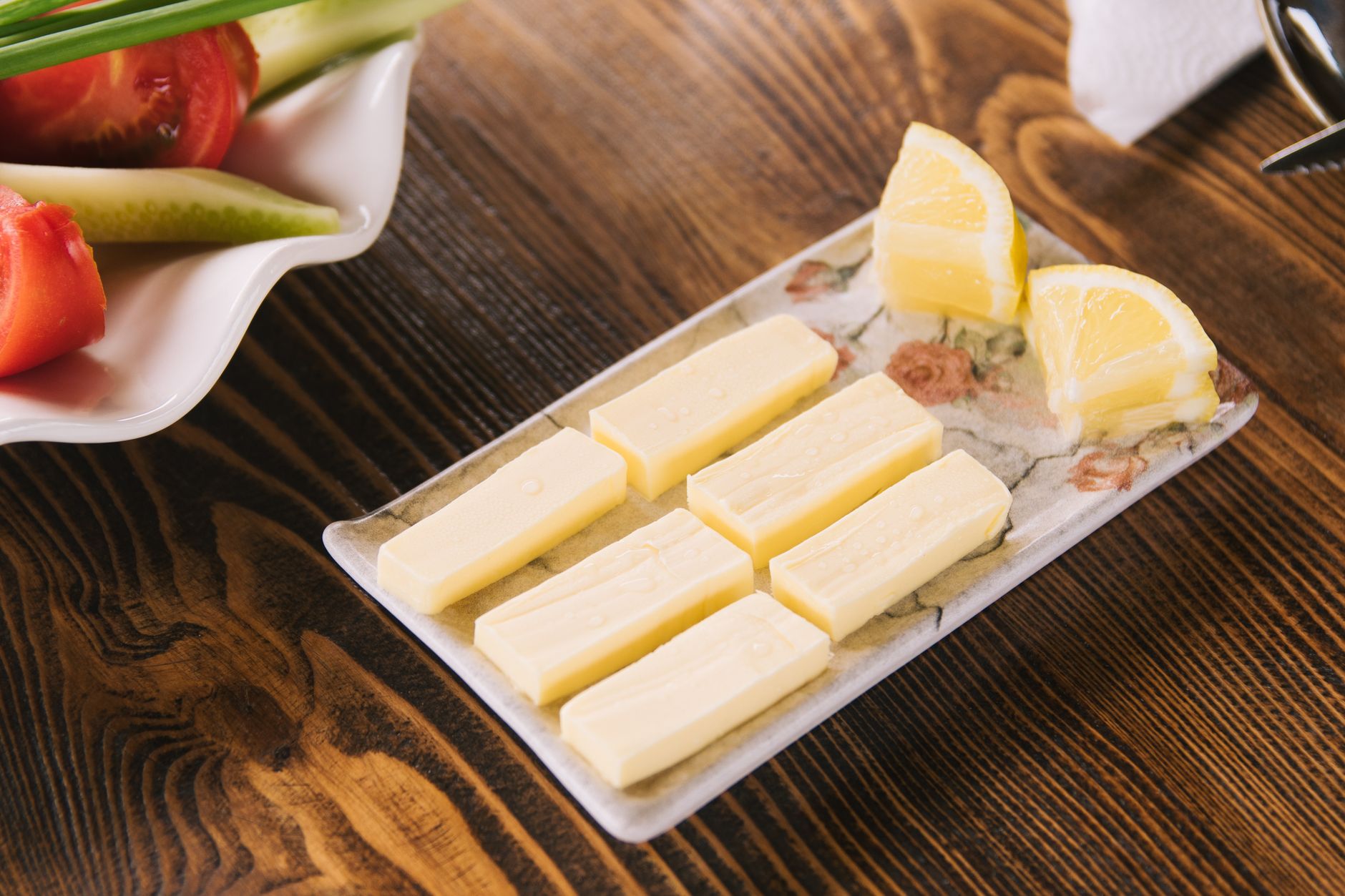
Understanding measurements is crucial in cooking and baking. One common query is how many tablespoons are in a stick of butter. Accurate measurements contribute significantly to the success of a recipe, whether you’re baking cookies or sautéing vegetables.
In this article, we will explore the specifics of butter measurements, conversions, practical uses, and a few handy tips to ensure you always have the right amount of this essential ingredient on hand.
How Many Tablespoons of Butter in a Stick?
A standard stick of butter in the United States contains 8 tablespoons. This measurement helps simplify recipes and makes it easier for cooks to adjust quantities as needed. Butter is typically sold in sticks wrapped in paper, making it easy to slice off the required amount.
The Basics of Butter Measurements
Butter is often used in both cooking and baking, and understanding how to measure it accurately is fundamental. A stick of butter is usually 4 ounces (113 grams), and this standard is consistent across most brands.
Here are a few key points about butter measurements:
- Each stick of butter equals 8 tablespoons.
- There are 4 sticks in a pound of butter, totaling 32 tablespoons.
- Butter can be measured in teaspoons, with one tablespoon containing 3 teaspoons, leading to a total of 24 teaspoons in a stick of butter.
Why Accurate Measurements Matter
In cooking and especially baking, precise measurements ensure consistency and quality. Ingredients like flour, sugar, and butter need to be measured correctly to achieve the right flavors and textures.
Consider this; baking is a science. Too much of one ingredient can lead to dry or overly dense baked goods, while too little can alter the intended flavor and structure. Butter contributes to moisture, richness, and flavor. Therefore, measuring accurately becomes fundamental to the success of your dish.
Practical Uses of Butter in Cooking and Baking
Butter can serve a variety of purposes in the kitchen:
- Flavor: It adds richness and enhances the taste of dishes.
- Texture: Butter can contribute to the flakiness in pastries or create creamy sauces.
- Moisture: It helps maintain moisture in baked goods, preventing them from becoming dry.
- Binding: It can act as a binder to hold ingredients together, especially in desserts and baked goods.
Converting Butter Measurements
When preparing meals, you may need to convert butter into different measurements or calculate how much you need based on a recipe’s requirements. Here are some helpful conversion guides:
Butter Conversion Table
| Measurement | Equivalent in Sticks | Equivalent in Tablespoons | Equivalent in Teaspoons |
|---|---|---|---|
| 1 stick | 1 | 8 | 24 |
| 1 pound | 4 | 32 | 96 |
| ½ stick | ½ | 4 | 12 |
| ¼ stick | ¼ | 2 | 6 |
Measuring Butter Precisely
When measuring butter, you have a few different approaches, depending on how it’s packaged and its state (softened vs. solid):
- Using Sticks: Most butter sticks are marked with tablespoon measurements on the wrapper. This makes it easy to cut off exactly the amount you need.
- Using Cups: If you prefer, you can also measure solid butter using dry measuring cups. Pack the softened butter into the cup, then level it off with a spatula for accuracy.
- Using Weight: For precision, consider weighing your butter. Remember that 1 stick equals 4 ounces or 113 grams.
Softened Butter vs. Cold Butter
Butter may be used in different states—softened, cold, or melted—each affecting how it incorporates into recipes. Here’s what you need to know:
Softened Butter
Softened butter is at room temperature, making it easier to cream with sugars for cookies and cakes. To soften butter, simply leave it out for about 30-60 minutes before using it.
Cold Butter
Cold butter is often used in pastry recipes. The solid state helps create flaky layers when baked, as the butter steams during cooking. If your recipe calls for cold butter, it’s crucial not to soften it before use.
Melted Butter
Melted butter can be used in recipes that require a uniform mixture, such as brownie batters. However, be cautious: if you add melted butter to eggs, it shouldn’t be too hot, or it may cook the eggs.
Common Mistakes When Measuring Butter
Even experienced cooks can make measuring errors. Here are some common mistakes to avoid:
- Assuming All Sticks Are the Same: In some countries, stick sizes may vary. Always check the packaging.
- Not Using the Right Tools: Avoid measuring by weight unless you have a reliable scale, as packing butter into cups can yield inconsistent results.
- Melted When Not Required: Ensure your butter is at the correct temperature as stated in the recipe before starting.
Creative Ways to Use Butter
Butter is versatile and can be used in a variety of culinary applications. Here’s how to enhance your dishes:
- Herb Butter: Mix softened butter with chopped fresh herbs and garlic to create a compound butter for spreading on bread or steaming vegetables.
- Brown Butter: Cook butter until it turns golden brown, resulting in a nutty flavor that can elevate sauces and baked goods.
- Baking: Use butter in cookie, cake, and pastry recipes for moisture and richness.
- Cooking: Use butter for sautéing vegetables or creating sauces, enhancing flavors and adding creaminess.
Substitutes for Butter
There may be times when you need to replace butter in a recipe due to dietary restrictions or availability. Below are some common butter substitutes:
Butter Substitution Guide
| Substitute | Ratio | Notes |
|---|---|---|
| Vegetable Oil | ¾ cup for 1 cup butter | Good for baked goods but may alter texture. |
| Coconut Oil | 1:1 | Can impart a coconut flavor; solid form works best for baking. |
| Applesauce | ½ cup for 1 cup butter | Great for muffins and quick breads to reduce fat. |
| Greek Yogurt | ½ cup for 1 cup butter | Adds moisture and protein; best in cakes and pancakes. |
Storage and Longevity of Butter
Proper storage of butter ensures its freshness and quality. Here are some tips:
- Refrigeration: Store butter in the fridge, ideally in its original packaging to prevent absorbing odors from other foods.
- Freezing: Butter can be frozen for long-term storage. Wrap it tightly in parchment paper, then store in an airtight container. It can last up to 6 months in the freezer.
- Room Temperature: A small amount of butter can be kept at room temperature for spreading, but it should be stored in a butter dish with a lid to maintain freshness.
Conclusion
Understanding how many tablespoons of butter are in a stick not only simplifies cooking but also helps achieve the desired results in various recipes. Accurate measurements promote consistency, especially in baking, where precision is king. Whether you’re using butter for flavor, moisture, or texture, knowing how to measure and substitute it opens up a world of culinary possibilities.
Explore more cooking tips, recipe ideas, and ingredient guides on our blog, such as our clarified butter recipe or delicious butter swim biscuits recipe for inspiration in your kitchen.