
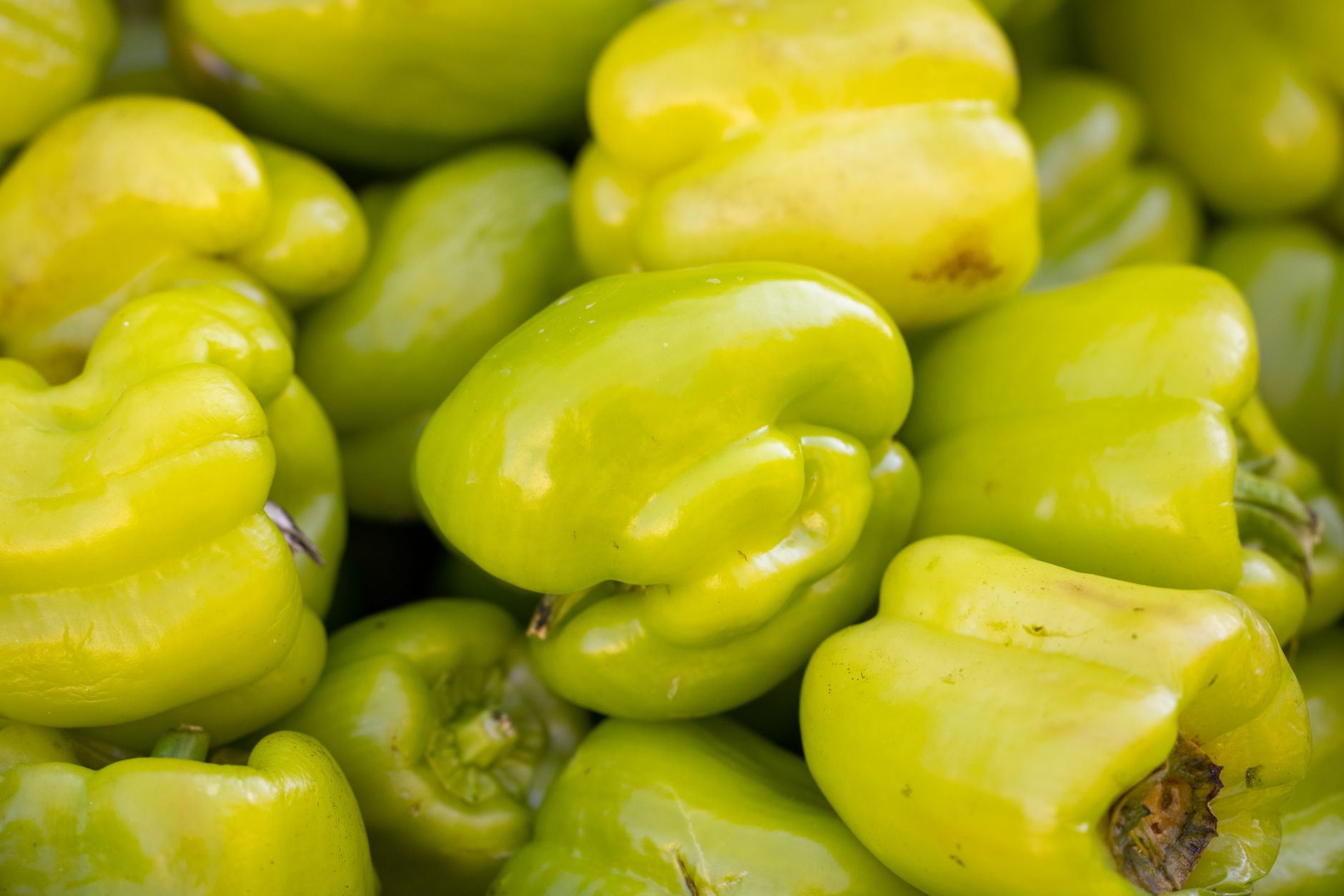
When you stroll through the produce aisle, you might marvel at the vibrant colors of fruits and vegetables, trying to decide how to add them to your meals. One common question that pops up is: is a bell pepper a fruit or a vegetable? Understanding its classification will help not only with your culinary knowledge but also with how you incorporate this versatile ingredient into your dishes.
In this article, we explore the botanical science behind bell peppers, their culinary uses, and some delightful recipes featuring them. Let’s dive into what sets these crunchy, colorful pods apart in the kitchen.
Is a Bell Pepper a Fruit or Vegetable?
A bell pepper is botanically classified as a fruit. More specifically, it is a berry. Fruits develop from the flower of a plant and contain the seeds. Since bell peppers develop from the flowering part of the plant and hold seeds, they clearly fall into the fruit category.
This classification may come as a surprise to many because bell peppers are typically used in savory dishes, much like vegetables. It’s an excellent example of how botanical classifications differ from culinary practices, where we might categorize foods based on flavor and use rather than strict scientific definitions.
Understanding Botanical Classification
To fully grasp the classification, it helps to understand two key terms: fruit and vegetable. In botanical terms, a fruit is the mature ovary of a flowering plant, usually containing seeds. In contrast, vegetables are other plant parts, such as leaves (spinach), roots (carrots), or stems (celery).
- Berries: Bell peppers fall under this category, as they develop from a single ovary and contain multiple seeds.
- Examples of other fruits that are often mistaken for vegetables include tomatoes, cucumbers, and squash.
Culinary Uses of Bell Peppers
Despite being a fruit, bell peppers are commonly treated as vegetables in cooking. Their crisp texture and sweet flavor make them a beloved ingredient in various cuisines. Here are some popular culinary applications:
- Fresh Salads: Bell peppers add crunch and color, making salads more appealing.
- Stuffed Dishes: They can be halved and filled with meats, rice, and spices for hearty meals.
- Stir-fries: Their quick cooking time makes them ideal for stir-fried dishes.
- Sauces and Salsas: Roasted or blended, they create rich flavors in sauces, dips, and salsas.
Types of Bell Peppers
Bell peppers come in various colors, sizes, and flavors, all stemming from the same species, Capsicum annuum. The most common types include:
- Green Bell Peppers: Slightly bitter with a crisp texture, these are harvested before ripening.
- Red Bell Peppers: Fully ripened green peppers, they are sweeter and richer in nutrients.
- Yellow and Orange Bell Peppers: Both types offer a balance between the bitterness of green and the sweetness of red.
- Mini Bell Peppers: These smaller, bite-sized versions are ideal for snacks and appetizers.
Nutritional Benefits of Bell Peppers
Aside from their culinary versatility, bell peppers are also packed with numerous health benefits. They are:
- Rich in Vitamins: Bell peppers are high in vitamins A and C, promoting healthy skin and immune function.
- Low in Calories: A great option for low-calorie diets, they provide flavor without excess calories.
- Source of Antioxidants: The antioxidants in bell peppers may help combat oxidative stress in the body.
Whether raw, roasted, or sautéed, adding bell peppers to your meals is an easy way to boost nutrition.
Choosing and Storing Bell Peppers
When shopping for bell peppers, look for ones that are firm, shiny, and free from blemishes or wrinkles. The color will vary based on ripeness, with red being the most mature.
Storage Tips
To maximize the shelf life of bell peppers:
- Store them in the vegetable crisper drawer of the refrigerator, where they can last up to two weeks.
- If cut, wrap them tightly in plastic wrap or store in an airtight container and use within three days.
Delicious Bell Pepper Recipes
Now that you’re equipped with knowledge about bell peppers, let’s explore some recipes that highlight their flavor. Here are a few that you may find useful:
Stuffed Bell Peppers
Yield: 4 servings | Preparation Time: 20 minutes | Cooking Time: 30 minutes | Total Time: 50 minutes
Stuffed bell peppers make for a hearty meal. This recipe is adaptable, allowing you to use various fillings like rice, beans, meat, or veggies.
Ingredients
- 4 large bell peppers (any color)
- 1 cup cooked rice (or quinoa for a healthier option)
- 1 pound ground beef or turkey (or a vegetarian substitute)
- 1 can (15 oz) diced tomatoes
- 1 teaspoon garlic powder
- 1 teaspoon onion powder
- Salt and pepper to taste
- 1 cup shredded cheese (cheddar or mozzarella)
Essential Equipment
- Oven
- Baking dish
- Mixing bowl
- Knife and cutting board
Instructions
- Preheat the oven to 375°F (190°C).
- Cut the tops off the bell peppers and remove the seeds.
- In a mixing bowl, combine the cooked rice, ground meat, diced tomatoes, garlic powder, onion powder, salt, and pepper.
- Fill each bell pepper with the mixture and place them in a baking dish.
- Cover with aluminum foil and bake for 25 minutes.
- Remove foil, sprinkle cheese on top, and return to the oven for another 5 minutes or until cheese is bubbly.
Bell Pepper Stir-fry
Yield: 4 servings | Preparation Time: 10 minutes | Cooking Time: 15 minutes | Total Time: 25 minutes
This quick stir-fry is perfect for busy weeknights and can be made with your choice of proteins and vegetables.
Ingredients
- 2 tablespoons vegetable oil
- 1 pound chicken, beef, or tofu, cut into strips
- 2 cups sliced bell peppers (mix of colors)
- 1 cup broccoli florets
- 3 tablespoons soy sauce
- 1 tablespoon sesame oil
- 1 tablespoon ginger, minced
- 2 garlic cloves, minced
Essential Equipment
- Wok or large skillet
- Spatula
Instructions
- Heat the vegetable oil in a wok or skillet over high heat.
- Add the protein of choice, cooking until browned and cooked through, around 5-7 minutes.
- Add the sliced bell peppers, broccoli, ginger, and garlic. Stir-fry for another 5 minutes.
- Pour in the soy sauce and sesame oil, stirring to coat all ingredients.
- Cook for an additional 2-3 minutes, ensuring everything is heated through.
Roasted Bell Pepper Soup
Yield: 4 servings | Preparation Time: 10 minutes | Cooking Time: 30 minutes | Total Time: 40 minutes
This comforting soup is easy to make and perfect for chilly days.
Ingredients
- 4 large bell peppers, halved and seeded
- 1 large onion, chopped
- 3 cloves garlic, minced
- 4 cups vegetable broth
- 2 tablespoons olive oil
- Salt and pepper to taste
- Fresh basil for garnish (optional)
Essential Equipment
- Baking sheet
- Blender or immersion blender
- Pot
Instructions
- Preheat the oven to 400°F (200°C).
- Place halved bell peppers on a baking sheet, brush with olive oil, and sprinkle with salt and pepper. Roast for 20 minutes.
- In a pot, sauté onion and garlic until translucent.
- Add roasted peppers and vegetable broth. Simmer for 10 minutes.
- Blend until smooth, adjusting seasoning as needed. Serve hot, garnished with fresh basil.
Common Cooking Mistakes
When working with bell peppers, you may encounter a few common mistakes. Here are some tips to avoid them:
- Not Washing Thoroughly: Always wash bell peppers before cutting to remove pesticide residues.
- Removing Too Much Flesh: When cutting for stuffing, be careful not to trim too much flesh, as this can lead to structural issues.
- Overcooking: Bell peppers can lose their crunch and sweetness if overcooked. Monitor cooking times closely.
Substitutions and Variations
Adapting bell pepper recipes can be fun. Here are some substitutes and variations:
- Substitutes for Bell Peppers: You can use zucchini or eggplant for stuffing. For stir-frying, try snap peas or broccoli florets for a different taste and texture.
- Herbs and Spices: Experiment with different herbs like thyme, oregano, or cumin to add unique flavors to your dishes.
- Other Fillings: In stuffed peppers, replace meat with lentils, chickpeas, or quinoa for a vegetarian option.
Final Thoughts
In summary, bell peppers are technically fruits, though they are often used as vegetables in cooking. Their versatility, coupled with their vibrant colors and various health benefits, makes them an excellent addition to meals of all kinds. From stuffed peppers to stir-fries, the possibilities are endless!
If you’re looking for more delicious ways to enjoy bell peppers, check out what to serve with stuffed peppers or explore a flavorful Poblano peppers recipe. With these inspirations, you can make the most of this delightful fruit!