
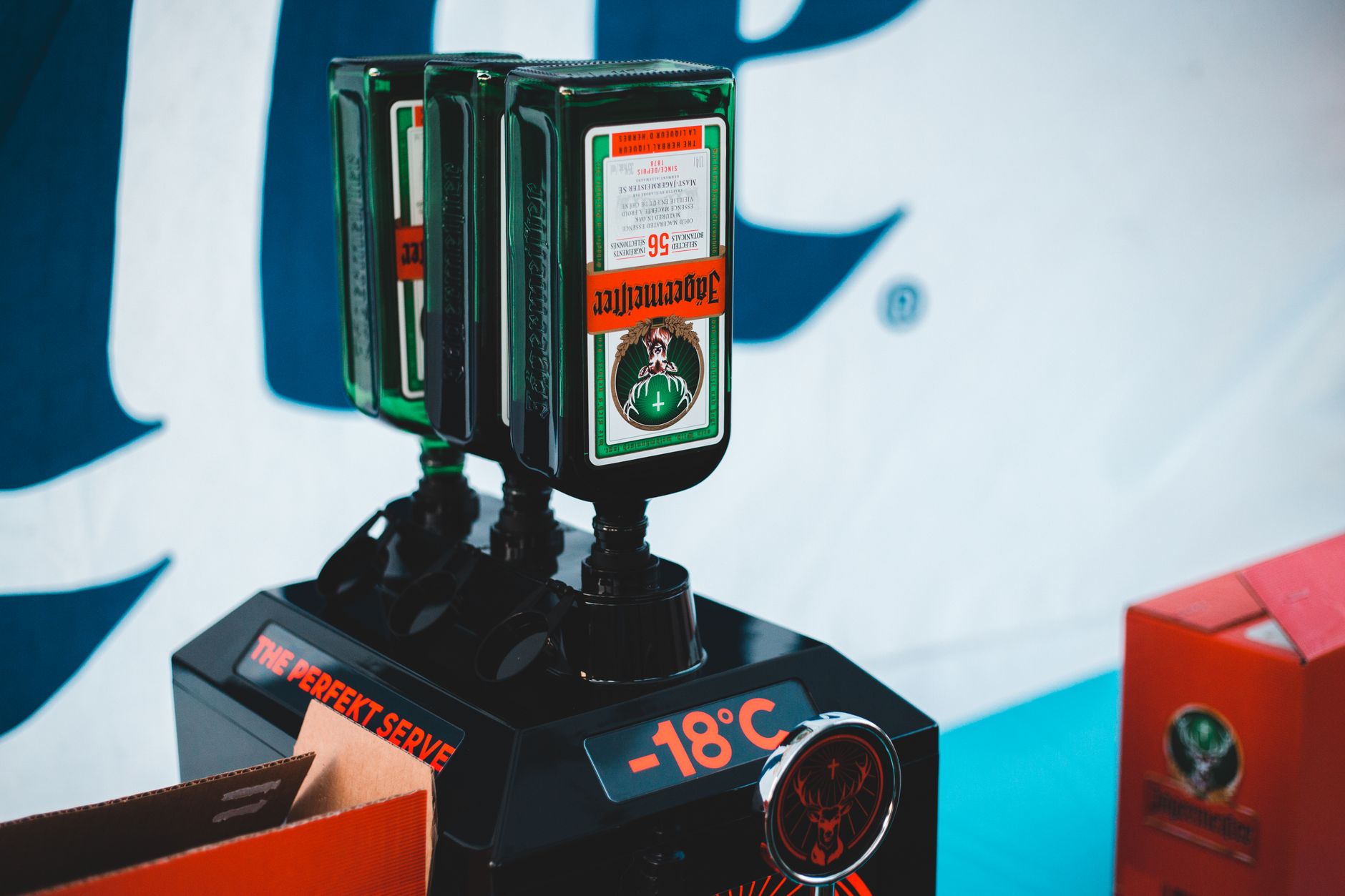
Jagermeister is a herbal liqueur that hails from Germany, and its distinctive flavor profile has endeared it to drinkers around the globe. Known for its complex blend of 56 herbs, fruits, roots, and spices, it has carved out a niche in both casual and cocktail drinking scenes. In this guide, we will explore the origins of Jagermeister, how it is made, its uses in drinking culture, and various serving ideas.
Whether you are considering trying it for the first time or looking to expand your knowledge, understanding Jagermeister will enhance your appreciation for this iconic German spirit. Let’s dive deeper into its history, flavors, and culinary uses.
Is Jagermeister German?
Yes, Jagermeister is a German product. It was created in 1934 in Wolfenbüttel, Germany, by Curt Mast. The name “Jagermeister” translates to “hunter master,” reflecting the drink’s origins as a herbal liqueur meant to be enjoyed as a digestif after meals. This strong local identity is part of what has made Jagermeister a staple among German spirits.
The Ingredients and Production Process
Jagermeister’s unique flavor is derived from its 56 botanicals, which include herbs, roots, and fruits. Each ingredient is carefully selected to create a harmonious taste experience. Here’s a closer look at some of the key components:
- Herbs: Popular choices include sweet and bitter herbs that provide balance and depth.
- Fruits: Citrus fruits add brightness, while other fruits contribute sweetness and complexity.
- Spices: The use of spices adds warmth and richness to the liqueur.
- Sugar: This helps to round off the flavors and provide a silky mouthfeel.
The production process of Jagermeister is intricate and includes several steps to ensure the ideal flavor is achieved.
Step-by-Step Production Process
- Preparation of Botanicals: The herbs, roots, and fruits are macerated in a highly concentrated alcohol solution for several months, allowing the flavors to infuse properly.
- Filtration: After the maceration period, the mixture is filtered to remove solid materials, resulting in a clear liquid.
- Aging: The filtered liqueur is aged in oak barrels for about a year, which helps to mellow the flavors and enhance complexity.
- Blending: The aged liqueur is blended with sugar, caramel, and other ingredients to finalize the taste before bottling.
- Bottling: The liqueur is bottled and is ready for distribution.
Each step in the production process plays a crucial role in shaping the final flavor profile of the liqueur.
The Flavor Profile of Jagermeister
Jagermeister has a complex taste that combines herbal bitterness, sweetness, and a hint of fruitiness. The combination of ingredients leads to a layered flavor experience. When consuming Jagermeister, the following flavor notes are typically observed:
- Bitter: Herbal notes provide a pleasant bitterness, often noted as reminiscent of gentian root or wormwood.
- Sweet: The sweetness from sugar balances the bitterness, along with fruity undertones that emerge in the background.
- Spicy: The presence of spices such as cinnamon and star anise offers warmth.
This multifaceted taste is what makes Jagermeister not just a shot glass drink but also a versatile ingredient in cocktails.
Culinary Uses of Jagermeister
Jagermeister can be enjoyed in several ways apart from drinking it straight. Below are some popular uses that showcase its versatility in beverages and culinary pairings.
1. Classic Shots
Jagermeister is often served as a chilled shot, thanks to its rich herbal flavor making it a favorite party drink. Typically, it’s served in a shot glass and consumed cold.
2. Cocktails
Jagermeister can act as a backbone in many cocktails. Some popular recipes include:
- Jagerbomb: A combination of Jagermeister with energy drink.
- Dirty Jager: Mixed with Coke or Pepsi for a refreshing beverage.
- Jagerita: A unique twist on a margarita that incorporates Jagermeister, lime juice, and triple sec.
- Herbal Highball: This refreshing mix includes Jagermeister, tonic water, and fresh herbs.
3. Cooking
Jagermeister can also be incorporated into cooking. Here are some ideas:
- Marinades: Use Jagermeister in marinades for meats to add flavor.
- Desserts: Incorporate Jagermeister into cakes, puddings, or even homemade ice cream for a unique flavor twist.
When cooking with Jagermeister, it is important to consider how the flavors will meld with other ingredients. Its sweet and herbal profile works best with salty or spiced dishes.
Serving Ideas for Jagermeister
Jagermeister can be creatively served in various ways beyond the traditional shot. Here are some engaging serving ideas:
1. Jagermeister Ice Cream Float
This fun dessert combines vanilla ice cream with Jagermeister over the top. The coldness of the ice cream balances the herbal flavors.
2. Jagermeister Cocktails with Fresh Herbs
Incorporate fresh herbs such as mint or basil in cocktails to elevate the aromatic experience. Adding muddled herbs can create a pleasant fragrance and a fresher taste.
3. Thematic Parties
Consider hosting a Jagermeister-themed party where guests can try different cocktail recipes. Set up a Jagermeister bar with mixers and various garnish options to enhance creativity.
Common Mistakes When Serving Jagermeister
While serving Jagermeister may seem straightforward, there are common pitfalls to avoid that can impact the overall experience.
- Serving at the Wrong Temperature: Jagermeister is best served chilled. Ensure it is kept in the freezer or served over ice to enhance its flavor.
- Poor Pairings: Avoid mixing Jagermeister with overpowering or sweet mixers that can detract from its herbal notes.
- Over-Mixing in Cocktails: Jagermeister’s herbal complexity can be overshadowed by too many mixers. Keep cocktails balanced to appreciate its flavor profile.
Storing Jagermeister
Proper storage is essential for maintaining the quality of Jagermeister. It should be kept in a cool, dark place. Here are some tips:
- Temperature: Jagermeister can be stored at room temperature, but for optimal flavor, refrigerate or freeze it.
- Seal: Keep the bottle tightly sealed to avoid evaporation and maintain freshness.
- Light Exposure: Store in a dark cupboard or bar to reduce exposure to light, which can degrade the quality over time.
Conclusion
Jagermeister is undoubtedly a cherished German herbal liqueur that offers an extraordinary blend of flavors and versatility. Understanding its origins, flavor profile, and culinary uses provides deeper appreciation when enjoying this spirit. From classic shots to creative cocktails, Jagermeister remains a beloved staple in bars and homes alike.
Now that you know more about Jagermeister, explore its delightful pairings in recipes like German Red Cabbage or indulge in decadent desserts like Original German Chocolate Cake. Each addition brings something special to your culinary exploration.