
Potatoes are a staple food around the world, revered for their versatility and ability to absorb flavors. When considering their nutritional benefits, a common question arises: Does potato have fiber? The answer is a resounding yes. In this article, we will explore the fiber content of various types of potatoes, their nutritional profiles, and how they can be effectively incorporated into a balanced diet.
Understanding the fiber content of potatoes can help you make informed decisions about your meals, whether you’re looking to increase your dietary fiber intake or simply curious about this beloved vegetable. We’ll dive into the specifics of serving sizes, nutritional facts, and the role of fiber in your diet, providing you with practical insights for cooking and meal planning.
Does Potato Have Fiber?
Yes, potatoes do contain fiber, with the exact amount varying depending on the type of potato and how it is prepared. On average, a medium-sized potato (about 5.3 ounces or 150 grams) with skin contains approximately 2 to 4 grams of dietary fiber. This fiber primarily comes from the skin, which is why eating potatoes with the skin on maximizes their health benefits.
The Role of Dietary Fiber
Dietary fiber is crucial for maintaining digestive health and has several other benefits, including:
- Promoting Digestive Health: Fiber helps regulate bowel movements and prevents constipation.
- Regulating Blood Sugar Levels: Soluble fiber can slow down digestion and absorption of carbohydrates, helping to maintain stable blood sugar levels.
- Supporting Heart Health: A diet high in fiber may reduce cholesterol levels and lower the risk of heart disease.
- Enhancing Feelings of Fullness: High-fiber foods can increase satiety, helping with weight management.
Nutritional Profile of Potatoes
Let’s take a closer look at the nutritional value of potatoes, focusing on their fiber content and other important nutrients per 100 grams of cooked potato with skin:
| Nutrient | Amount per 100g |
|---|---|
| Calories | 87 |
| Carbohydrates | 20.1 g |
| Dietary Fiber | 2.2 g |
| Protein | 2.0 g |
| Fat | 0.1 g |
| Potassium | 429 mg |
| Vitamin C | 19.7 mg |
Different Types of Potatoes and Their Fiber Content
There are several varieties of potatoes, each with slightly different fiber contents. Here are some popular types and their approximate fiber content per medium-sized potato:
- Russet Potatoes: Around 3-4 grams of fiber.
- Red Potatoes: Approximately 2-3 grams of fiber.
- Yellow Potatoes: About 2-3 grams of fiber.
- Sweet Potatoes: Contain around 3-4 grams of fiber, plus additional vitamins and antioxidants.
Using the skin is essential, as this is where most of the fiber resides. Additionally, sweet potatoes, while not technically wicking the same characteristics as regular potatoes, do offer higher fiber content along with unique health benefits.
How to Maximize Fiber Intake from Potatoes
To make the most of the fiber content in potatoes, consider the following cooking methods and preparation tips:
- Leave the Skin On: Ensure you are consuming the skin, as this part holds a significant amount of fiber.
- Bake or Steam: Baking or steaming potatoes retains more fiber than boiling, as the fiber can leach into the water.
- Try Whole Potatoes: Opt for whole baked potatoes or roasted cubes instead of processed potato products like fries or chips, which often lose fiber during preparation.
Delicious Ways to Include Potatoes in Your Diet
Incorporating potatoes into your meals can be both enjoyable and nutritious. Here are several ideas:
- Roasted Vegetables: Mix cubed potatoes with other vegetables for a colorful, fiber-rich side dish.
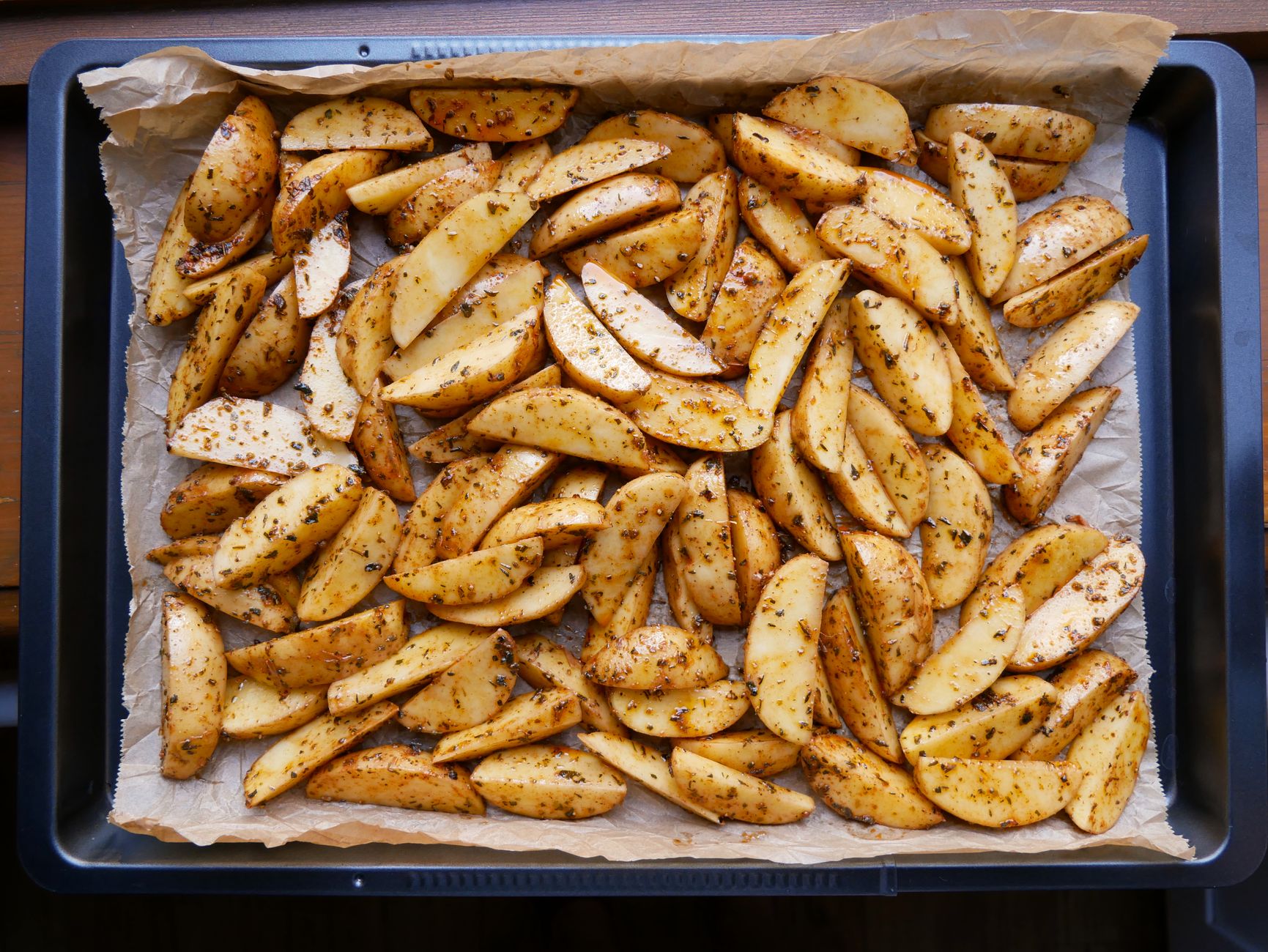
- Oven-Baked Fries: Cut potatoes into wedges, season with herbs, and bake for a healthier alternative to traditional fries.
- Potato Salad: Prepare a vibrant potato salad using diced potatoes, onions, and herbs for a refreshing side dish.
- Baked Potato Bar: Create a baked potato bar with various toppings like Greek yogurt, chives, or beans to enhance fiber content.
- Soups and Stews: Include potatoes in soups and stews to add bulk and fiber.
Common Mistakes When Cooking Potatoes
Here are some common mistakes to avoid when preparing potatoes to ensure you retain their fiber content and nutritional benefits:
- Peeling the Skin: Many people peel their potatoes without realizing that a significant amount of fiber is lost.
- Overcooking: While potatoes should be cooked until tender, overcooking can lead to loss of nutrients, including fiber.
- Using High-Fat Toppings: Opt for healthier toppings rather than heavy creams and excess butter, which can negate some health benefits.
Meal Planning with Potatoes
When meal planning, potatoes can serve as an excellent base for various dishes. Here are some practical meal ideas that incorporate potatoes to boost fiber intake:
- Monday: Baked rosemary potatoes with grilled chicken and Brussels sprouts.
- Tuesday: Sweet potato and black bean tacos topped with avocado and cilantro.
- Wednesday: Potato and vegetable stir-fry served with brown rice.
- Thursday: Loaded baked potatoes with Greek yogurt, green onions, and a side salad.
- Friday: Hearty potato and leek soup, served with whole-grain bread.
Make-Ahead Strategies for Potatoes
Potatoes can be prepared in advance to save time during busy days. Here are some ideas:
- Batch Cooking: Cook a large batch of baked potatoes at the beginning of the week and store them for quick meals.
- Prep for Salads: Dice and steam potatoes in advance for easy salad additions.
- Mashed Potatoes: Prepare mashed potatoes ahead of time, and reheat them gently before serving.
Possible Substitutions for Potatoes
If you are looking for alternatives to traditional potatoes, consider these options, each with their fiber content:
- Cauliflower: A low-carb option that can be mashed or riced, containing about 2 grams of fiber per cup.
- Turnips: A root vegetable that can be used for roasting or mashing, offering about 2 grams of fiber per cup.
- Quinoa: Not a root vegetable, but a grain that provides about 5 grams of fiber per cup, making it a nutritious alternative for those avoiding potatoes.
Storing and Reheating Potatoes
Proper storage and reheating techniques are essential for maintaining the quality of potatoes:
- Storage: Store uncooked potatoes in a cool, dark, and well-ventilated area. Avoid refrigeration, as it can convert starches to sugar.
- Cooked Potatoes: Refrigerate leftover cooked potatoes in an airtight container for up to 3 to 5 days.
- Reheating: To reheat, it’s best to do so in an oven or microwave until thoroughly heated. If reheating mashed potatoes, add a little milk or butter for creaminess.
Conclusion
Potatoes are a worthwhile addition to a balanced diet, not only for their flavor and versatility but also for their fiber content. By leaving the skins on, choosing healthier cooking methods, and incorporating them into various meal plans, you maximize their nutritional benefits. Keep experimenting with different potato varieties and cooking techniques, and enjoy creatively balancing flavor and fiber in your meals.
For more tips, advice on choosing gluten-free options, or preparing mashed potatoes ahead of time, explore our resources on gluten in potatoes and making mashed potatoes ahead of time.