
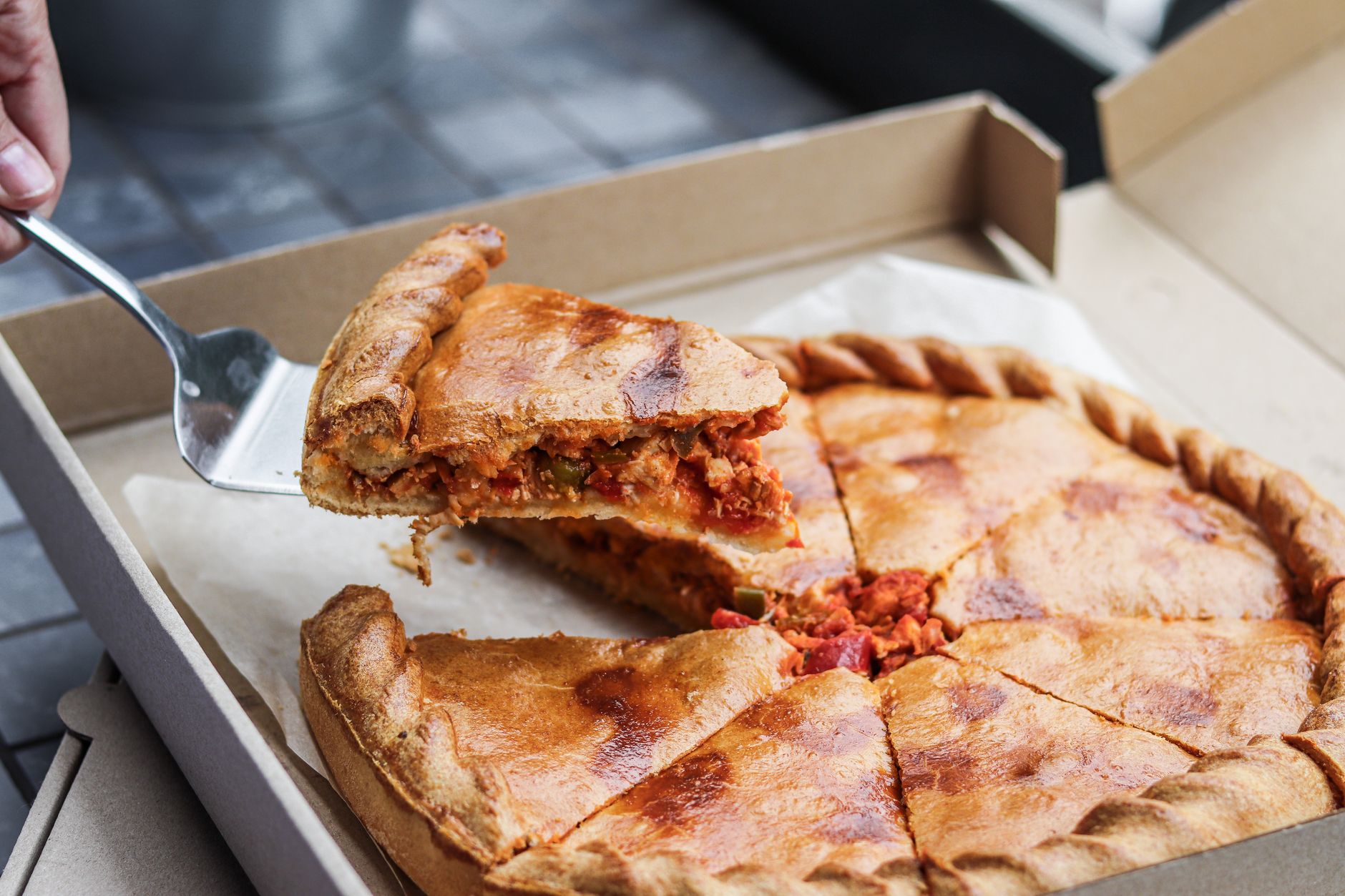
Kidney pie is a traditional dish that has gained notoriety, particularly in British cuisine. It is a hearty pastry filled with kidney, often combined with other meats and a rich sauce. The combination produces a savory flavor profile that many find comforting and satisfying, making it a popular choice for gatherings and family meals.
This article will guide you through what kidney pie is, its ingredients, flavor, and how to serve it. Whether you’re a seasoned cook or new to the kitchen, you’ll gain insights into this classic dish and how to enjoy it to the fullest.
What Is Kidney Pie?
Kidney pie is a savory meat pie that prominently features kidneys, typically from beef or lamb. The kidneys are usually cooked with other ingredients, such as meat, vegetables, and a thick gravy, before being encased in a flaky pastry. The dish is popular in the UK, where it reflects hearty, traditional cooking styles.
Ingredients Used in Kidney Pie
The flavor and texture of kidney pie are the result of various ingredients that come together harmoniously. Here’s a detailed look at the essential components:
- Kidneys: The primary ingredient, usually lamb or beef, adds a distinctive flavor. Kidneys should be cleaned and trimmed before use to avoid any unpleasant texture.
- Meat: Often, kidney pie combines kidneys with other meats, such as beef or lamb. This addition enriches the flavor and adds substance to the pie.
- Onions: Chopped onions provide sweetness and depth to the filling, balancing the rich flavors of the meats.
- Flour: Used to thicken the gravy, creating a creamy consistency that binds the filling together.
- Stock: Beef or vegetable stock serves as the base for the gravy, delivering a robust flavor to complement the meat.
- Seasonings: Common seasonings include salt, pepper, and herbs such as thyme or parsley, which enhance the overall taste profile.
- Shortcrust pastry: This is the outer shell of the pie, providing a flaky and crispy texture that contrasts with the tender, savory filling.
- Egg wash: An egg wash (beaten egg) is often brushed onto the pastry before baking to achieve a golden brown finish.
Flavor Profile of Kidney Pie
The flavor of kidney pie is complex and satisfying. The kidneys contribute a strong, slightly earthy flavor that some find unique and delicious. When cooked properly, the kidneys become tender and develop a richness that is complemented by other meats.
The gravy adds a layer of creaminess with a hint of richness from the stock and seasonings. The onions provide sweetness and depth, balancing the overall profile of flavors. The pastry itself is buttery and flaky, creating a perfect contrast to the savory filling. Overall, the combination results in a dish that is hearty and comforting, ideal for a warming meal.
How to Serve Kidney Pie
Kidney pie can be served in various ways, making it a versatile dish for different occasions. Here are some popular serving suggestions:
- Accompaniments: Serve kidney pie with classic sides such as mashed potatoes, steamed vegetables, or a simple salad to lighten the meal.
- Gravy: Drizzling extra gravy over the pie when serving can enhance flavor and moisture, making each bite even more enjoyable.
- Hot or Cold: Kidney pie can be served hot from the oven or at room temperature, making it suitable for picnics or potlucks.
- Garnishes: Fresh herbs like parsley or thyme can be sprinkled on top for an added touch of color and freshness.
Making Kidney Pie at Home
Creating kidney pie from scratch can be a rewarding culinary experience. Here’s a step-by-step guide to making this iconic dish.
Yield and Time Estimates
This recipe yields approximately 6 servings. Here are the estimated times:
- Preparation Time: 30 minutes
- Cooking Time: 1 hour
- Total Time: 1 hour 30 minutes
Essential Equipment
- Large mixing bowl
- Frying pan
- Casserole or pie dish
- Rolling pin
- Knife and chopping board
- Oven
Ingredients List
- 500g kidneys (lamb or beef), cleaned and chopped
- 300g other meat (beef or lamb), diced
- 1 large onion, chopped
- 2 tablespoons all-purpose flour
- 500ml beef stock
- 1 teaspoon dried thyme or parsley
- Salt and black pepper, to taste
- Shortcrust pastry (store-bought or homemade, about 500g)
- 1 egg, beaten (for egg wash)
Step-by-Step Instructions
- Prepare the Pastry: If making homemade pastry, mix flour with chilled butter until crumbly, add cold water, and knead into a dough. Wrap and refrigerate for 30 minutes.
- Cook the Fillings: In a frying pan over medium heat, sauté the chopped onions in a little oil until translucent. Add the chopped kidneys and other meat, browning them well.
- Thicken the Mixture: Sprinkle the flour over the meat mixture and cook for an additional minute. Gradually stir in the beef stock, ensuring no lumps form. Bring to a simmer and allow to thicken for about 10 minutes.
- Add Seasonings: Stir in thyme, salt, and pepper. Taste and adjust flavors if necessary. Remove from heat and let the filling cool slightly.
- Preheat the Oven: Preheat your oven to 200°C (392°F).
- Assemble the Pie: Roll out two-thirds of the pastry and line the base of your pie dish. Pour the kidney and meat filling into the pastry, leaving room at the top.
- Cover the Filling: Roll out the remaining pastry to form a lid. Place it over the filling and crimp the edges to seal. Cut a few slits in the top for steam to escape.
- Apply the Egg Wash: Brush the top of the pie with the beaten egg for a glossy finish.
- Bake: Bake the pie in the preheated oven for about 30–40 minutes or until the pastry is golden brown and flaky.
- Serve: Once baked, let the pie sit for a few minutes before slicing and serving. Enjoy your hearty kidney pie!
Common Mistakes and Troubleshooting
When making kidney pie, several issues may arise. Here are some tips to ensure success:
- Overcooking the Kidneys: If kidneys are overcooked, they can become tough. Cook them just until they are tender during the sautéing step.
- Pastry Issues: If the pastry is too wet or dry, it can affect the final texture. Always follow the recipe measurements precisely to ensure the right consistency.
- Gravy Consistency: If the filling is too runny, you may need to cook it longer to allow for more evaporation. Conversely, adding too much flour can make it too thick.
- Seal the Pie Properly: Ensuring the edges of the pie are sealed well will prevent the filling from leaking out during baking.
Storage and Reheating Guidance
If you have leftovers, you can store kidney pie for later enjoyment. Follow these guidelines for proper storage and reheating:
- Cooling: Allow the pie to cool to room temperature before storing.
- Refrigeration: Store the pie in an airtight container in the fridge for up to 3 days.
- Freezing: You can freeze an unbaked pie for up to 2 months. Wrap it tightly in plastic wrap, then foil. Baked pies can also be frozen but should be consumed within 2 months.
- Reheating: To reheat, bake in the oven at 180°C (356°F) until heated through, about 20–30 minutes for whole pies or shorter for slices.
Variations and Substitutions
While the classic kidney pie uses specific ingredients, variations can cater to different tastes and dietary preferences:
- Meat Variations: Substitute kidneys with chicken livers or mushrooms for a vegetarian option. The flavor will change but can still create a delicious filling.
- Seasoning Alternatives: Experiment with different herbs, such as rosemary or sage, to alter the flavor profile to your liking.
- Pastry Options: For a lighter option, use puff pastry instead of shortcrust. Puff pastry will provide a different texture and may require different baking times.
- Vegetarian Alternatives: Use a variety of vegetables and beans to create a meatless kidney pie. Lentils and mushrooms can create a hearty filling.
Conclusion
Kidney pie is a culinary tradition rich with flavor and history. Made from simple ingredients, it produces a satisfying dish that can be enjoyed any time of the year. With the guidance provided, you can successfully prepare kidney pie at home, explore variations, and find the perfect way to serve it.
If you’re excited to continue your culinary journey, consider exploring different pastry techniques or learning about other savory pies. There’s a world of flavors waiting for you to discover!