
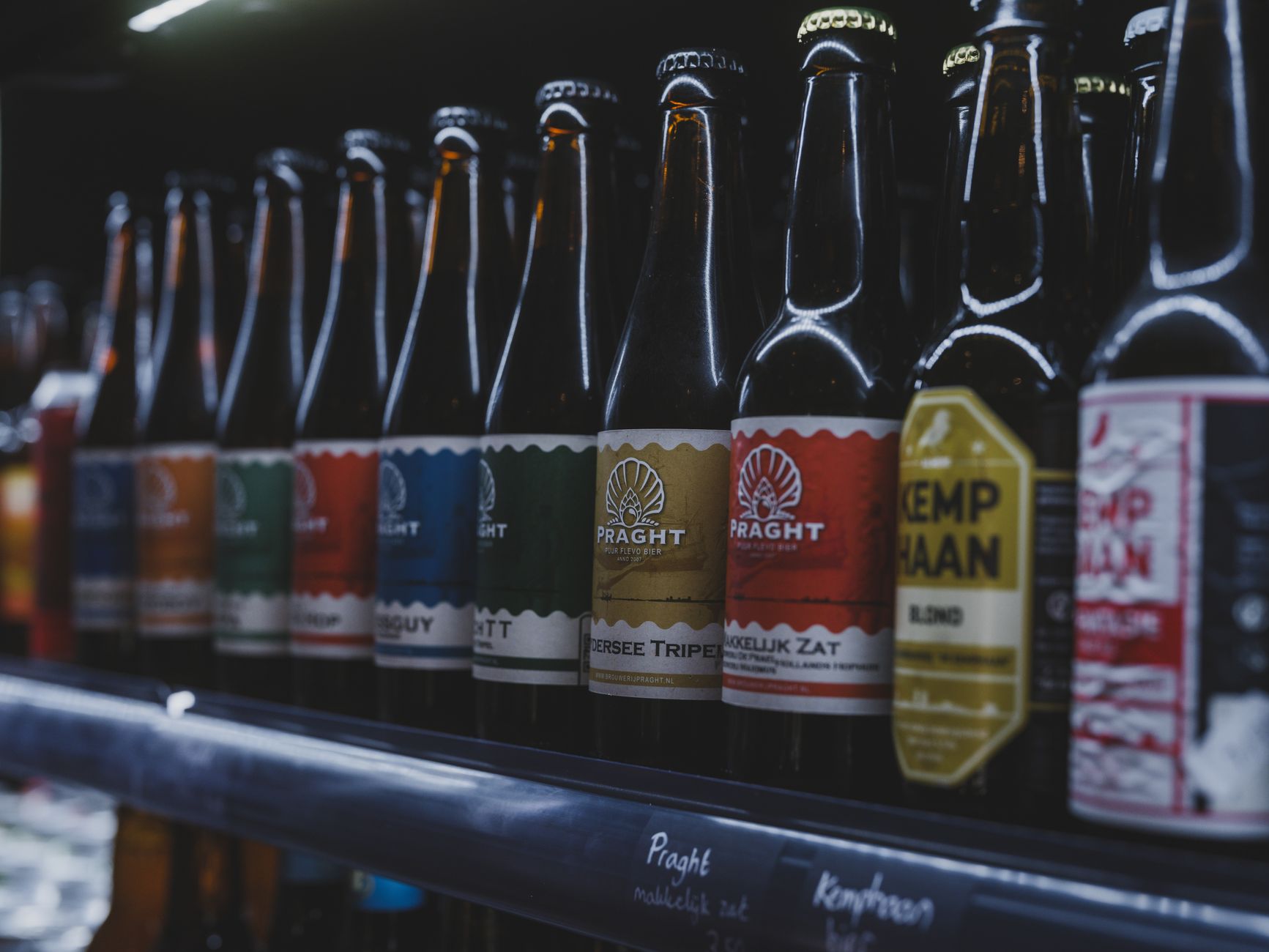
Beer is one of the world’s oldest beverages, steeped in history and tradition. With such a wide variety of styles, flavors, and ingredients, many beer enthusiasts wonder whether their favorite brew will expire or if it can be enjoyed long after its purchase. Understanding the shelf life, storage methods, and signs of spoilage can enhance your beer experience and help you make the most of your collection.
This guide explores whether beers truly expire, examining factors such as storage tips, best-by dates, and how to identify when a beer has gone bad. Whether you’re a casual drinker or a connoisseur, this information will ensure that every sip is as enjoyable as intended.
Do Beers Expire?
Yes, beers can expire, but the timeline varies by type and storage conditions. While some beers can be enjoyed years after their production, others are best consumed fresh. Understanding how to identify freshness and spoilage is key to enjoying craft beers and commercial brews alike.
Factors Affecting Beer Shelf Life
The shelf life of beer is influenced by several factors:
- Type of Beer: Different beer styles have varying shelf lives. Lighter beers generally have a shorter shelf life compared to stronger, darker ales.
- Alcohol Content: Beers with higher alcohol content often have a longer shelf life due to their natural preservatives.
- Storage Conditions: Temperature, light exposure, and humidity play critical roles in determining how long a beer lasts.
- Packaging: Beers in cans tend to last longer than those in bottles, particularly clear or green glass, which allows more light to penetrate.
Type of Beer
Understanding the type of beer you have can provide insight into its longevity:
- Lighter Beers: Styles like lagers and pale ales have a shorter lifespan, typically 3 to 6 months past the packaging date.
- IPAs: Indian Pale Ales are best enjoyed fresh, ideally within 3 months of purchase, as the hop flavors can diminish quickly.
- Wheat Beers: These can last about 6 months, but like IPAs, are best when fresh for optimal flavor.
- Stouts and Porters: Darker beers with higher alcohol (8% ABV or more) can last 1 to 2 years or more if stored properly.
- Barleywines: These high-alcohol beers can age well for several years, developing complex flavors over time.
Alcohol Content
Generally, higher alcohol content provides natural preservation. While beers with less than 5% ABV (alcohol by volume) may turn quickly, those with 8-10% ABV can last much longer, up to several years in some cases.
Storage Conditions
To maximize beer shelf life, store it in a cool, dark place. Avoid temperature fluctuations that can cause expansion and contraction in the bottle or can, leading to oxidation. Ideal storage temperatures range between 45°F to 65°F (7°C to 18°C). Heat can spoil beer faster, so do not keep it near sources of heat, such as radiators or direct sunlight.
Packaging
Cans are generally better at protecting beer from light and air, key factors in spoilage. If possible, choose canned varieties when you want to store beer for longer. Dark glass bottles also provide better protection than clear or green glass bottles.
Understanding “Best By” Dates
Many breweries print a “best by” or “enjoy by” date on their cans or bottles. This date is not an expiration date, but rather a guideline to ensure optimum flavor and freshness. Beers consumed after this date may not taste their best, but they are often still safe to drink.
Signs of Spoilage in Beer
Even well-stored beers can go bad, and it’s vital to recognize the signs of spoilage:
Off Flavors and Aromas
One of the most straightforward ways to determine if a beer has gone bad is through taste and smell. Spoiled beer might exhibit:
- Skunky Aroma: This is particularly common in light-struck beers, where light exposure causes a chemical reaction that produces off-flavors.
- Oxidation: A stale, cardboard-like flavor indicates oxidation, usually due to prolonged exposure to oxygen.
- Unusual Sweetness or Sourness: These flavors can indicate contamination or off-flavors from missteps in the brewing process.
Visual Cues
Observing the beer’s appearance can also help:
- Cloudiness: A clear beer that appears cloudy may indicate bacterial contamination.
- Unusual Sediment: Some beers have a natural sediment, but excessive or unexpected sediment can signal spoilage.
Changes in Carbonation
Off flavors often impact mouthfeel and carbonation. If a beer is flat and lacks its usual carbonation, it may be past its prime.
Best Practices for Beer Storage
To ensure the best flavor and preserve quality, follow these beer storage practices:
- Store Upright: Keep beer bottles upright to minimize oxidation and prevent yeast from settling.
- Seal It Up: Ensure that caps or lids are secure to prevent air from entering.
- Avoid Frequent Temperature Changes: Try not to move the beer from cold to warm and back again frequently.
Common Beer Myths
There are many myths surrounding beer expiration. Let’s clarify a few:
- Beer Does Not Expire: While some believe beer lasts indefinitely, this is not the case. Quality degrades over time.
- Imported Beers Last Longer: The idea that imported beers last longer than domestic ones is misleading; it depends entirely on the beer type and storage methods.
- Beer Should Always Be Chilled Before Drinking: Many beer types, like stouts, are best served at warmer temperatures, allowing the flavors to shine.
How to Enjoy Beer at Its Best
To ensure you’re enjoying your beer at its peak, follow these tips:
- Check the Date: Before purchasing or consuming, look for the packaging date and “best by” date.
- Chill Appropriately: Different styles have ideal serving temperatures. Lighter beers are best around 40°F to 45°F (4°C to 7°C), while darker beers are better slightly warmer at around 50°F to 55°F (10°C to 13°C).
- Transport Carefully: Minimize movement and temperature changes when taking beer from store to home.
What to Do with Expired Beer
If you discover that you have a few expired beers, here are some creative ideas to use them up:
- Cooking: Beer can enhance the flavor of a variety of dishes, including marinades, stews, and even batters.
- Baking: Use expired beer in bread recipes, where the yeast can help with leavening.
- Beer-Battered Foods: Prepare delicious beer-battered fish or onion rings using older, but still safe-to-drink beers for frying.
Conclusion: Maximizing Your Beer Experience
Beer is a delightful beverage that deserves to be enjoyed at its best. By understanding the factors that affect its shelf life, recognizing spoilage signs, and implementing proper storage practices, you can enhance your tasting experiences. Remember to check expiration dates and consider how different beer styles age over time.
If you have beers that you suspect might be nearing their end, don’t hesitate to experiment with them in cooking or baking. With good practices, every beer can bring joy to your palate, whether you savor it as a drink or incorporate it deliciously into your meals.
Explore more about food and ingredients by checking out our posts on chia seeds shelf life and food coloring expiration.