
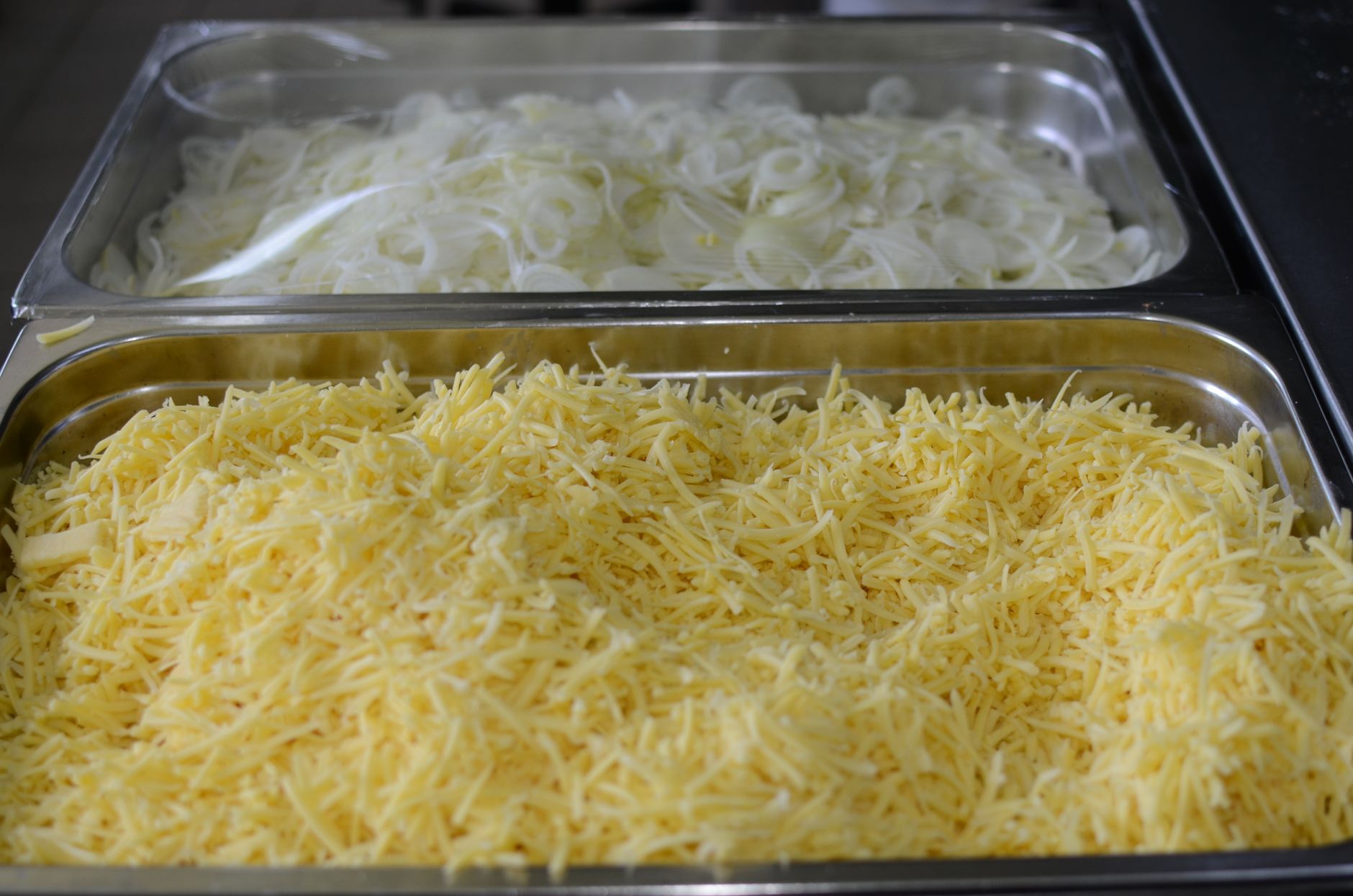
Shredded cheese is a staple in many kitchens, beloved for its convenience and versatility. But there’s a growing conversation about its health implications. In this article, we’ll delve into whether shredded cheese is bad for you and what nutritional considerations you should keep in mind.
From its handling practices to portion sizes, understanding shredded cheese will help you make informed choices for your meals. Let’s explore everything related to this popular ingredient, including its nutritional profile, health considerations, and how to incorporate it into your diet responsibly.
Is Shredded Cheese Bad for You?
Shredded cheese can be part of a balanced diet when consumed in moderation, but it has some nutritional drawbacks, such as higher sodium and fat content compared to other food options. As with any food item, understanding portion sizes and overall dietary balance is essential for maintaining health.
Nutritional Profile of Shredded Cheese
Understanding the nutritional content of shredded cheese can significantly influence whether it fits into your dietary needs. Here are the primary components to consider:
- Calories: Shredded cheese is energy-dense, averaging about 100 calories per ounce, depending on the type.
- Fat: It generally contains around 8 grams of fat per ounce, including saturated fat.
- Sodium: Sodium content can be considerable, ranging from 150 to 400 mg per ounce, varying by cheese type.
- Protein: It is a good source of protein, offering about 6 to 7 grams per ounce.
- Calcium: Shredded cheese is rich in calcium, providing about 20% of the daily recommended intake per ounce.
Health Considerations When Consuming Shredded Cheese
While shredded cheese can be delightful on various dishes, there are health considerations to keep in mind:
1. High Sodium Content
The sodium levels in shredded cheese can contribute to increased blood pressure and heart disease risk. It’s crucial to monitor your overall sodium intake, especially if you have existing health concerns.
2. Saturated Fat Concerns
Shredded cheese can be high in saturated fat, which, if consumed in excess, may raise cholesterol levels and increase the risk of heart disease. Consider balancing your fat intake with healthier fats and incorporating lower-fat cheese options when possible.
3. Weight Management
Due to its calorie density, it’s easy to overconsume shredded cheese. Awareness of portion sizes is essential for those managing weight. A balanced approach, incorporating different proteins and dairy options, can help maintain a healthy weight.
Choosing the Right Shredded Cheese
When selecting shredded cheese, consider the following factors:
1. Cheese Type
Different cheeses come with various flavors and health profiles. Common shredded cheeses include:
- Cheddar: A popular choice, known for its sharpness and versatility.
- mozzarella: Often used in pizza, this cheese is milder and lower in fat compared to cheddar.
- Parmesan: A hard cheese with robust flavor; use sparingly as a topping.
- Colby Jack: A blend that offers a rich, creamy taste, popular in many dishes.
- Swiss: Known for its nutty flavor and lower calorie content compared to others.
2. Read Labels
Always review the ingredient list and nutritional information. Look for shredded cheese with fewer preservatives and lower sodium. Natural cheese typically has fewer additives than processed varieties.
3. Consider Organic or Grass-Fed Options
If available, choosing organic or grass-fed varieties can offer health benefits. These may come from cows that grazed on pastures and fed organic feed, potentially affecting the cheese’s nutritional profile and taste.
Portion Control: How Much Shredded Cheese to Use
Understanding portion sizes is crucial when incorporating shredded cheese into your diet:
1. Recommended Serving Size
A typical serving size of shredded cheese is about one ounce, roughly enough to add flavor without excessive calories or sodium.
2. Recipes and Meal Planning
Use shredded cheese as a complement to dishes rather than the main ingredient. For example:
- Sprinkle it on salads for added flavor and texture.
- Incorporate it into vegetable dishes, such as casseroles or baked dishes.
- Top soups and stews with a small handful for enhanced richness.
3. Mindful Eating
Be conscious of how much cheese you pour into a dish. Using measuring tools or simply keeping a mental note can prevent overconsumption.
Alternatives to Shredded Cheese
If you’re looking to cut back on shredded cheese, there are several alternatives:
1. Nutritional Yeast
A staple in vegan diets, nutritional yeast has a cheesy flavor and is rich in B vitamins. It can be sprinkled on pasta, popcorn, or salads.
2. Plant-Based Cheese
Many brands offer plant-based cheese alternatives that can provide similar textures and flavors with lower saturated fat.
3. Cottage Cheese
Cottage cheese can add creaminess and protein to meals without the same calorie load, making it a great alternative.
4. Greek Yogurt
Use Greek yogurt as a topping or dip. It can provide protein and creaminess while being lower in calories than cheese.
Cooking Techniques and Tips for Incorporating Shredded Cheese
Here are some practical tips for including shredded cheese in your meals:
1. Melting Cheese
For dishes where you want melted cheese, allow it to come to room temperature before heating. This helps it melt uniformly.
2. Layering in Dishes
When preparing casseroles or baked dishes, layer cheese throughout instead of just on top. This ensures a more consistent flavor.
3. Mixing with Healthy Ingredients
Balance shredded cheese with nutrient-rich ingredients, such as leafy greens, whole grains, or legumes, for a more nutritious meal.
Storage and Shelf Life of Shredded Cheese
Proper storage is essential for maintaining the quality of shredded cheese:
1. Refrigeration
Store shredded cheese in its original packaging or an airtight container in the refrigerator. Consume within a week for the best quality.
2. Freezing
If you want to extend its shelf life, shred the cheese and freeze it in portion sizes. Ensure it is well-packaged to prevent freezer burn. It can be frozen for up to six months.
3. Signs of Spoilage
Check for signs of spoilage, such as unpleasant smell or mold. If you see mold on natural cheese, you can often cut away the affected area, but it’s best to err on the side of caution.
Is Shredded Cheese Worth Including in Your Diet?
Shredded cheese can be part of a balanced diet if consumed mindfully and in moderation. Its convenience and flavor-enhancing properties make it a popular choice in many cuisines. However, it’s essential to be aware of portion sizes, sodium content, and fat levels.
By incorporating shredded cheese into a diet that includes a variety of whole foods, fruits, vegetables, lean proteins, and whole grains, you can enjoy its creamy texture and rich flavor while maintaining a health-conscious approach.
For those who love cheese but are concerned about its health effects, exploring alternatives and cooking methods can open up new possibilities. Either way, the key to enjoying shredded cheese is balance.
As you contemplate your next meal, think about how you might use shredded cheese in a practical, portion-controlled way. Perhaps sprinkle it on top of a vegetable casserole or mix it into a hearty soup.
Explore how to elevate your meals with shredded cheese while keeping health considerations at the forefront. It’s all about moderation and making informed choices in your daily diet.
If you’re looking for delicious ideas that may include shredded cheese or alternatives, check out interesting recipes like Cottage Cheese Dip or sweet treats like Cottage Cheese Brownies.