
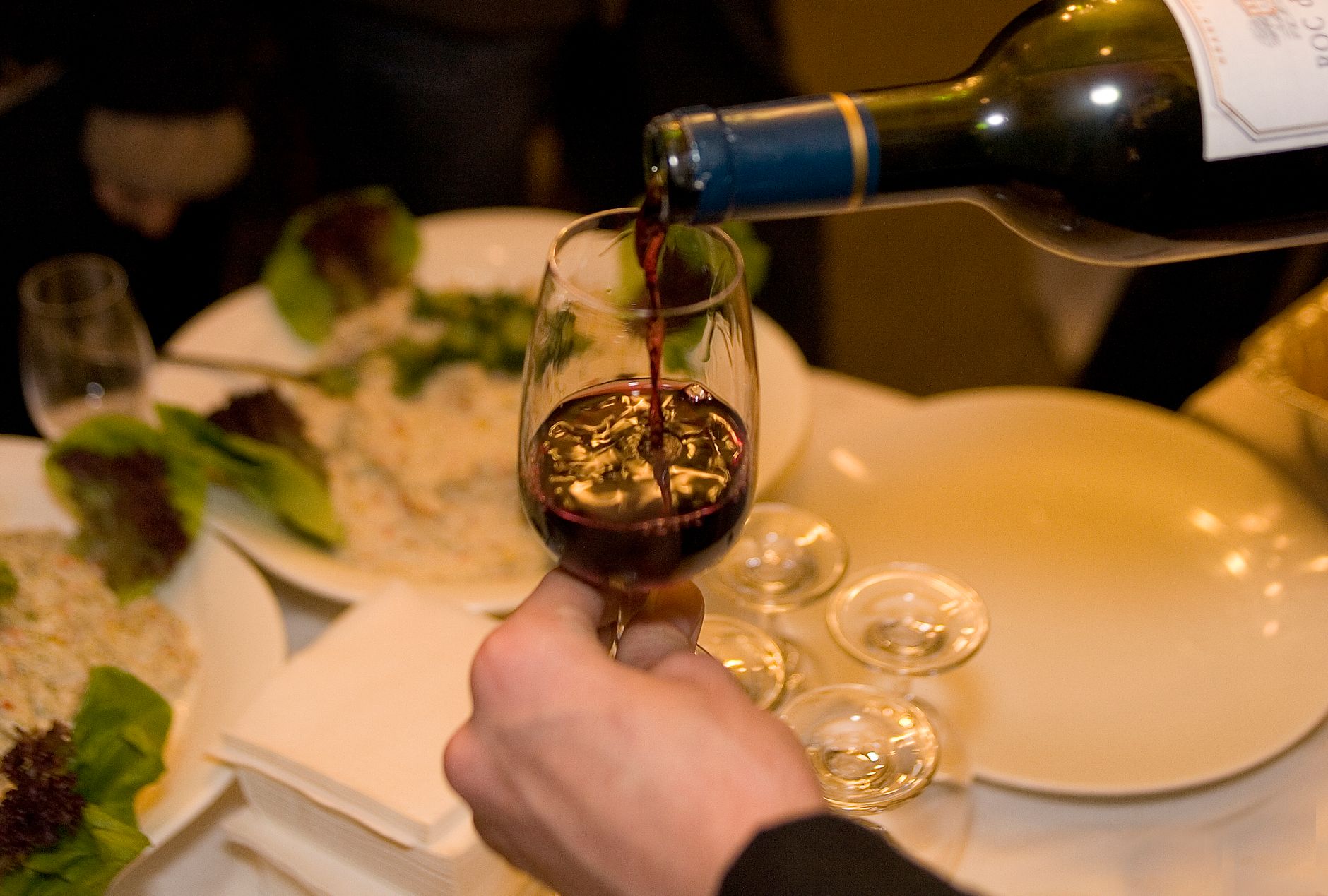
Understanding a serving of wine is crucial for both casual drinkers and culinary enthusiasts. The serving size impacts not only your enjoyment of the beverage but also how it pairs with various foods. This article will delve into what constitutes a serving of wine, its implications for taste and texture, and even how it can be utilized in the kitchen.
By defining serving sizes, we can better appreciate the nuances of different wines and learn how to use them effectively in our cooking. Whether you’re looking to impress guests or simply enjoy a quiet evening at home, knowing how to serve and use wine correctly can elevate your dining experience.
What Is a Serving of Wine?
A standard serving of wine is typically 5 ounces (148 milliliters) for both red and white wines. However, this can vary depending on the type of wine and the context in which it is served. Understanding this measurement helps ensure that you are pouring the right amount for both enjoyment and health considerations.
This 5-ounce serving comprises approximately 12-14% alcohol by volume (ABV), allowing for a balanced experience that doesn’t overwhelm the palate. Additionally, this standard serving can vary in other contexts, like tastings or restaurant servings.
Why Does Serving Size Matter?
Serving size plays a significant role in your overall wine experience. Here are a few reasons why it matters:
- Taste Experience: The right amount allows for better aroma and flavor appreciation.
- Health Considerations: Monitoring your alcohol intake is crucial for responsible drinking.
- Culinary Uses: Knowing serving sizes can help in cooking with wine, as different amounts will affect the dish’s flavor.
Different Types of Wine and Their Serving Sizes
While the standard serving size is 5 ounces, various styles of wine may require different approaches. Here’s a breakdown:
Red Wine
The most common serving size for red wine is 5 ounces. Full-bodied wines like Cabernet Sauvignon or Syrah often benefit from this quantity, allowing the flavors to develop in the glass. Serving red wine slightly below room temperature (around 60-65°F or 15-18°C) enhances its aromas and taste.
White Wine
White wines are also commonly served in 5-ounce portions. These wines are best enjoyed chilled, typically between 45-55°F (7-13°C). Whites like Sauvignon Blanc and Chardonnay can illustrate the importance of serving size, as a proper pour can markedly affect their refreshing qualities.
Champagne and Sparkling Wine
For sparkling wines, a serving might be a bit less than 5 ounces (around 4-5 ounces). This is because champagne is often served in flutes, which can be visually misleading. The sparkling nature of these wines makes it essential to avoid overfilling, as it can lead to excessive foam and loss of effervescence.
Dessert Wine
Demi-sec or dessert wines are typically served in smaller glasses with about 3-4 ounces per serving. These wines are usually sweeter and more concentrated, making a larger serving less palatable.
Using Wine in the Kitchen
Wine is not just for sipping; it can elevate various dishes when used correctly. Understanding wine’s characteristics can help decide how to integrate it into your cooking.
Culinary Applications of Wine
Here are some common culinary applications for wine:
- Deglazing: After searing meat, deglaze the pan with wine to incorporate the flavorful brown bits into sauces.
- Marinades: Wine can be used as a base for marinades, providing both flavor and tenderization benefits.
- Reduction Sauces: Cooking down wine can create rich sauces that pair beautifully with proteins.
- Building Flavor: Adding wine to soups and stews can deepen the overall flavor profile.
Pairing Wine with Food
Understanding wine’s serving size also contributes to food pairings. Proper pairing enhances both food and wine’s characteristics. Here are some classic pairings:
- Red Wine: Pairs well with grilled meats and hearty dishes like beef stew.
- White Wine: Complements chicken, seafood, and light pasta dishes beautifully.
- Champagne: Works well with salty or fried foods, as it balances flavors.
- Dessert Wine: Ideal for pairing with cheese or fruit-based desserts.
Practical Tips for Serving Wine
To enjoy wine properly, consider the following tips for serving:
- Use the Right Glass: Choose glassware that helps showcase the wine’s aroma and flavor.
- Temperature Matters: Serve red wines at slightly warmer temperatures than whites or sparklings to savor their full potential.
- Decanting: Consider decanting full-bodied reds to aerate the wine and soften tannins.
- Pouring Technique: Pour slightly less than full to allow for swirling, which releases the wine’s complex aromas.
Common Mistakes When Serving Wine
While serving wine seems straightforward, several common pitfalls can compromise the experience:
- Poor Temperature Control: Serving wine too warm or too cold diminishes flavor.
- Overfilling Glasses: This limits the aroma and enhances the risk of spills.
- Improper Glassware: Using the wrong glass can affect the perception of flavors significantly.
Health Considerations
Responsible drinking should always be a priority when serving wine. Understanding the alcohol content in different wines helps manage your intake. Remember, moderation is key, even when enjoying the best wines.
It’s also essential to be aware of personal tolerance levels and to consume wine alongside food to mitigate its effects.
Fun Wine Facts
Here are some entertaining facts about wine that underscore its role in culture and cuisine:
- Oldest Wine: Archaeological evidence suggests wine was produced over 8,000 years ago in what is now modern-day Georgia.
- Wine in Cooking: Ancient Romans used wine extensively in cooking, similar to modern practices today.
- Color Variation: The color of wine is derived from how long the grape skins stay in contact with the juice during fermentation.
Storing Leftover Wine
Leftover wine can be stored effectively to prolong freshness:
- Refrigeration: Store opened wine in the fridge and consume within a few days for maximum flavor.
- Utilize Wine Stoppers: Wine stoppers can help preserve champagne’s effervescence.
- Freeze for Cooking: For wine that won’t be consumed soon, freezing in ice cube trays is a great option for future culinary use.
Wine Tasting at Home
Organizing a wine tasting at home can be a delightful experience:
- Choose a Theme: Select wines from a specific region or grape variety.
- Pair With Light Bites: Prepare simple appetizers that complement wine selections.
- Maintain Records: Create tasting notes for each wine to remember impressions and preferences.
Conclusion
Understanding what constitutes a serving of wine enriches your drinking experience and enhances your culinary adventures. The 5-ounce standard serves as a guideline but can be adjusted for different types of wines. Knowing how to use wine in cooking and pairing it with food elevates meals and gatherings.
Explore more about wine and its applications, and take your culinary skills to new heights with related recipes or cooking tips.
For more engaging recipes and tips, check out our Black Manhattan recipe and the refreshing Key Lime Martini recipe.