
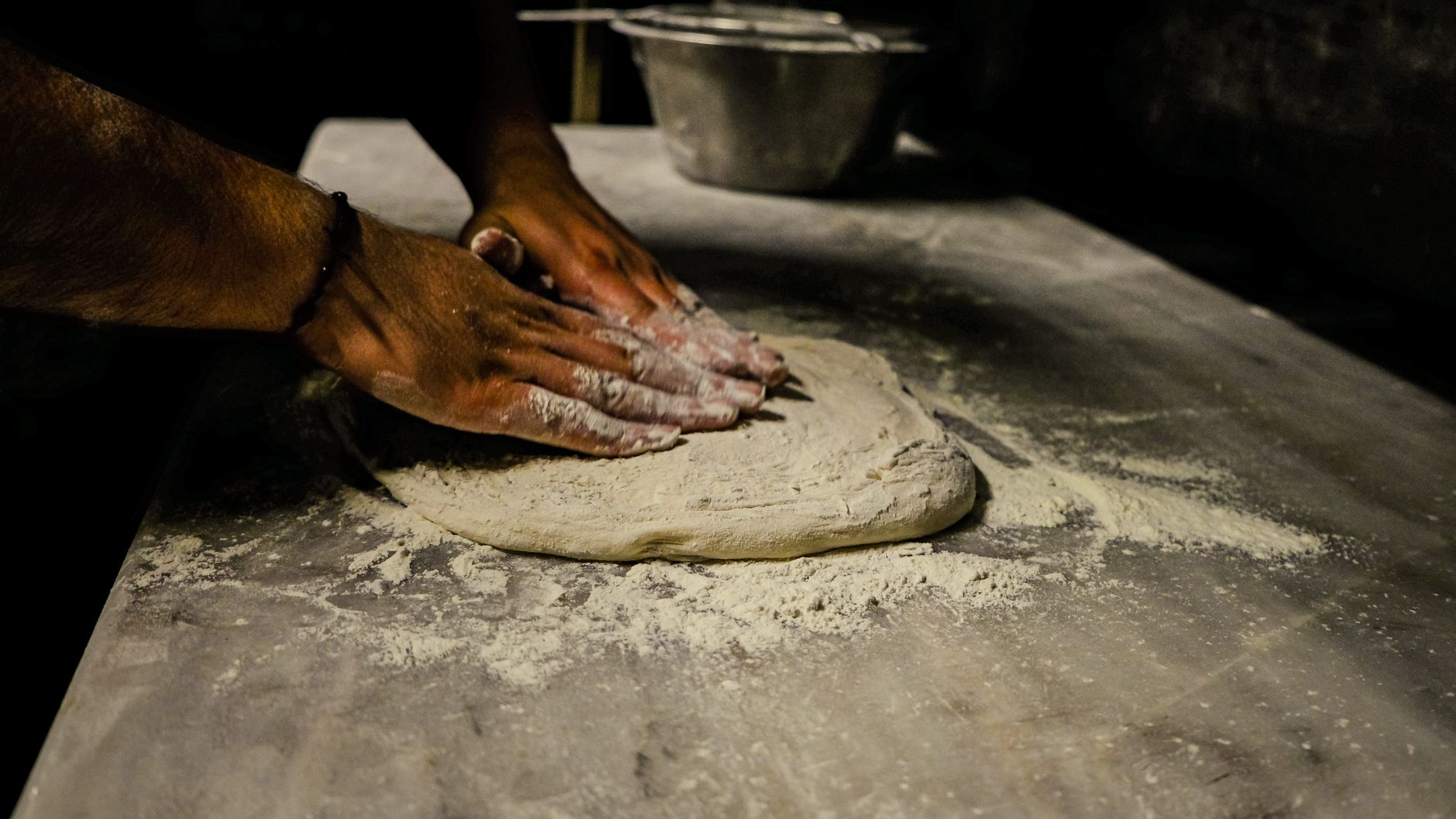
Pizza dough is a versatile foundation that can be used to create delicious homemade pizzas. Understanding how long pizza dough takes to rise is crucial for achieving a light and airy crust. This guide will delve into the factors that influence the rising time and provide comprehensive tips and techniques for perfect pizza dough.
The rising process, known as fermentation, is essential for developing the dough’s flavor and texture. Without the right proofing time, your pizza crust may turn out dense and chewy instead of light and crispy. Read on to find out everything you need to know about the rising times for pizza dough.
How Long Does Pizza Dough Take to Rise?
Pizza dough typically takes about 1 to 2 hours to rise at room temperature. However, several factors can affect this timeframe, including the type of yeast used, dough composition, and ambient temperature. Cold fermentation in the refrigerator can extend this process to 24 hours or longer, allowing for deeper flavor development.
Understanding the Rising Process
The rising process involves the fermentation of yeast, which produces carbon dioxide gas. This gas gets trapped in the dough, causing it to expand and rise. There are a few key variables to consider:
- Yeast Type: Active dry yeast and instant yeast generally yield similar results, but instant yeast may work faster. Fresh yeast is another option but is less common.
- Temperature: The warmer the environment, the quicker your dough will rise. The ideal temperature for yeast activity is between 75°F to 85°F (24°C to 29°C).
- Dough Ingredients: Higher sugar content can slow down yeast activity, while more gluten-rich flour may enhance structure and enable a better rise.
Factors Influencing Rising Time
To achieve the best results, consider the following factors that can influence how long your pizza dough takes to rise:
1. Yeast Type
Different types of yeast vary in their action and effectiveness:
- Active Dry Yeast: Needs to be hydrated in warm water before use. Takes about 1 to 2 hours to rise.
- Instant Yeast: Can be mixed directly with dry ingredients. Often leads to a slightly faster rise compared to active dry yeast, taking approximately 1 hour.
- Fresh Yeast: Requires a shorter rising time but is less readily available. Can rise in about 1 hour.
2. Temperature
The temperature in your kitchen plays a crucial role in how rapidly yeast ferments. If your kitchen is cooler, the dough may take longer to rise. Conversely, a warm environment can speed up the process. Here’s a general guideline:
- If the temperature is below 70°F (21°C), rising may take 2 to 3 hours.
- At room temperature (around 75°F to 80°F or 24°C to 27°C), expect a rise in 1 to 2 hours.
- In a warm environment above 80°F (27°C), the dough may rise in under an hour.
3. Dough Composition
The hydration level and ingredients in your dough can affect rising time:
- High-Hydration Dough: Dough with more water can rise faster due to increased yeast activity.
- Oil and Sugar: Adding sugar can slow down yeast activity slightly, while oil can enhance moisture, affecting rise times.
Methods for Allowing Pizza Dough to Rise
There are various methods to help your pizza dough rise effectively. Depending on your schedule and desired flavors, you may choose different techniques:
1. Room Temperature Method
This is the fastest method of rising dough. Simply let the dough sit at room temperature. Here’s how to do it:
- Prepare your dough and place it in a lightly oiled bowl.
- Cover the bowl with a damp cloth or plastic wrap to prevent it from drying out.
- Allow it to rise for 1 to 2 hours, or until it has doubled in size.
2. Cold Fermentation
For developing more complex flavors, cold fermentation is an excellent option. The dough rises slowly in the fridge:
- After mixing your dough, shape it into a ball and place it in a lightly oiled bowl.
- Cover it securely with plastic wrap and place it in the refrigerator.
- Let it rest for at least 24 hours, up to 72 hours, for enhanced flavor and texture.
3. Warm Place Method
If your kitchen is cooler than desired, you can create a warm place for the dough:
- Preheat your oven to the lowest setting, then turn it off.
- Place the covered bowl of dough inside the oven for a warm, draft-free environment.
- Check on the dough after 30 minutes to see if it has risen.
Common Mistakes and Troubleshooting Tips
As you learn to work with pizza dough, you might encounter some challenges. Here are common mistakes and how to troubleshoot them:
1. Dough Not Rising
If your dough isn’t rising, consider these potential issues:
- Check the expiration date of your yeast. If it’s old, it may lose its leavening ability.
- Ensure the water temperature was warm but not hot. Hot water can kill the yeast.
- Consider the dough’s environment. If it’s too cold, the yeast may struggle to activate.
2. Over-Risen Dough
Leaving your dough to rise too long can lead to over-fermentation, resulting in a sour flavor:
- Monitor your dough closely, especially in warmer conditions.
- Evaluate if the dough appears very puffy and has begun to collapse.
- If it does over-rise, gently reshape it and let it rise again for a shorter period.
3. Dense or Heavy Crust
A dense crust may arise from insufficient rising time or kneading:
- Ensure proper kneading of the dough for gluten development.
- Double-check that the dough rises to at least double its original size.
Using Pizza Dough After It Has Risen
Once your pizza dough has risen properly, it’s ready to be shaped into pizzas. Here are some ideas and guidelines for using it:
1. Shaping the Dough
When shaping your dough, follow these steps:
- Gently deflate the dough by pressing down; this redistributes the gases.
- Divide the dough into equal portions, depending on how many pizzas you plan to make.
- Shape each piece into a ball and let it rest for about 10 minutes before stretching.
- Use your hands or a rolling pin to gently stretch or roll out the dough to your desired thickness.
2. Baking Your Pizza
After shaping, it’s essential to bake the pizza correctly for optimal results:
- Preheat your oven to the highest temperature possible (450°F to 500°F or 232°C to 260°C).
- Use a pizza stone or a baking sheet for a crispier crust.
- Add your favorite sauce and toppings before placing the pizza in the oven.
- Bake for 10 to 15 minutes, or until the crust is golden brown and the cheese is bubbly.
Pizza Dough Variations
Experimenting with different types of pizza dough can enhance your pizza experience. Here are a couple of popular options:
1. Whole Wheat Pizza Dough
- Substitute half or all of your all-purpose flour with whole wheat flour for added fiber and a nuttier flavor.
- Whole wheat flour typically requires slightly more hydration, so adjust the water as needed.
2. Gluten-Free Pizza Dough
- Use gluten-free flour blends for those with gluten sensitivities, ensuring to add binders like xanthan gum.
- These doughs usually may not require rising, but let them sit for a short period can improve texture.
Storage and Make-Ahead Tips
If you want to prepare your pizza dough in advance, here are smart storage options:
1. Refrigerating Dough
After the dough has risen, you can refrigerate it to use later:
- Shape into balls and wrap each individually in plastic wrap.
- Refrigerate for up to 3 days, allowing it to rise slowly and develop flavor.
2. Freezing Dough
You can also freeze dough for longer storage:
- After the first rise, wrap the dough tightly in plastic wrap and place it in a freezer bag.
- Freeze for up to 3 months. To use, thaw in the refrigerator overnight before bringing it to room temperature before shaping.
Conclusion
In summary, the time it takes for pizza dough to rise can vary widely based on factors like yeast type, temperature, and dough composition. Understanding these variables will help you achieve the perfect rise for a delicious homemade crust. Regular practice will enhance your skill in making pizza dough, enabling you to create a variety of pizzas to suit any occasion. With this knowledge, you’re well-equipped to make pizza dough that is both flavorful and perfectly risen.
Explore related recipes and tips for your pizza-making journey, such as King Arthur Pizza Dough Recipe and Sourdough Discard Pizza Dough Recipe.