
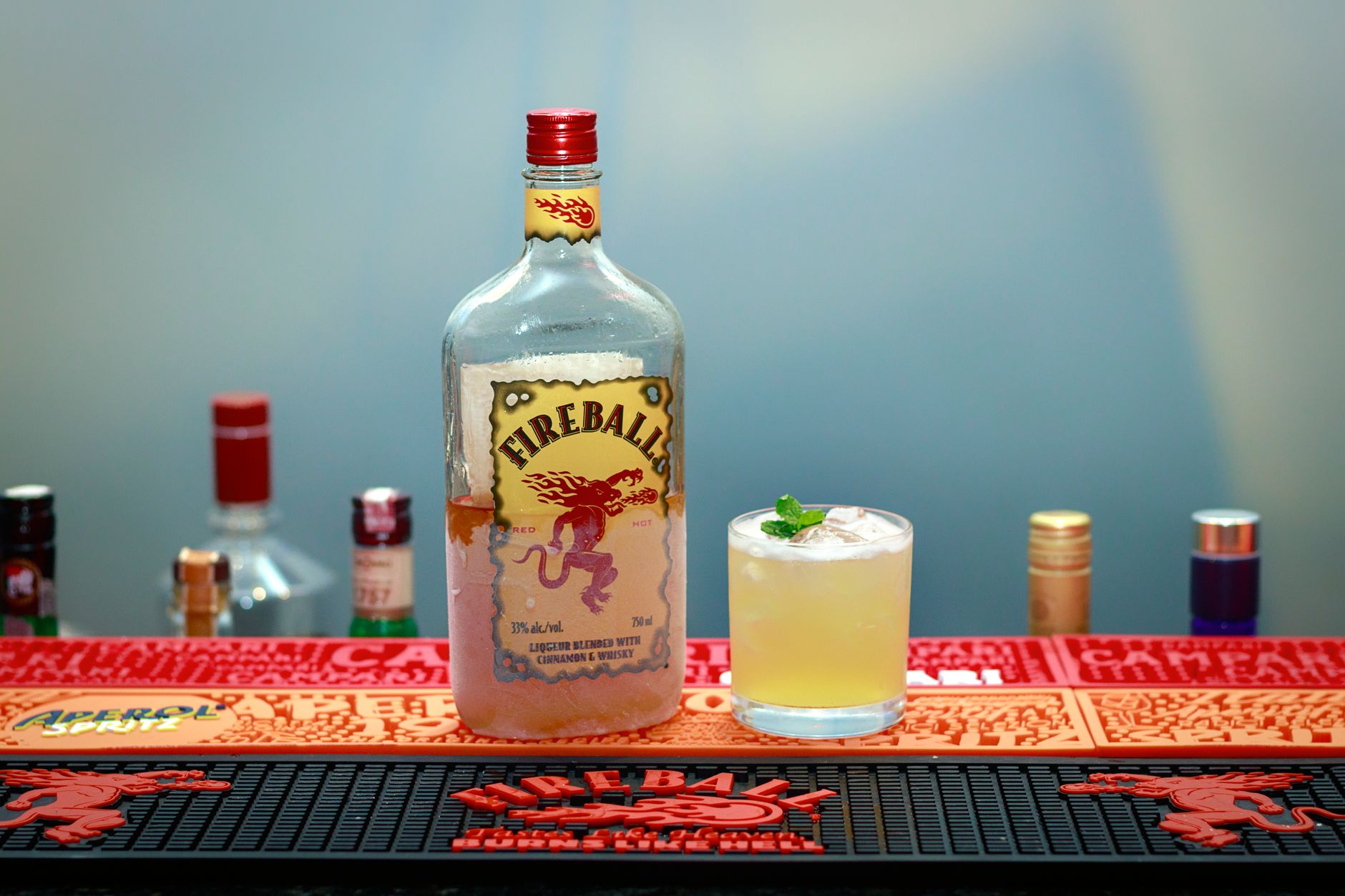
Fireball whisky is a popular cinnamon-flavored liqueur that has gained a cult following in the world of spirits. Known for its sweet and spicy flavor profile, Fireball can be enjoyed on its own or used as an ingredient in various cocktails. Understanding where Fireball is made not only satisfies curiosity but also enhances appreciation for the craftsmanship behind this widely enjoyed concoction.
This article delves into the origins of Fireball, its production process, and even creative kitchen uses that can elevate your cocktails and culinary creations alike.
Where Is Fireball Made?
Fireball is produced by the Fireball Cinnamon Whisky Company, which is based in the United States. The primary production facility is located in Frankfort, Kentucky, where the whisky is crafted. This facility is part of a larger operation, which includes the maturation and blending processes necessary to achieve that distinctive Fireball flavor.
Although Fireball originated in Canada, where the recipe was developed, it became particularly popular in the U.S. market after being acquired by the Sazerac Company in 2006.
Origins of Fireball
The origins of Fireball can be traced back to the 1980s in Canada, where it was initially created as a high-quality schnapps with a cinnamon flavor. The formulation included a blend of Canadian whisky and cinnamon, catering to customers who craved a sweet and spicy alternative to traditional spirits. Over the years, the recipe evolved, becoming a more versatile and intensely flavored liqueur that found its niche among diverse audiences.
Production Process
The production of Fireball involves several key steps, each contributing to its unique flavor and quality. Here’s a breakdown of what goes into the making of this cinnamon liqueur.
Ingredients
- Canadian whisky: This forms the base of Fireball and contributes to its smooth texture.
- Cinnamon: Ground cinnamon and cinnamon flavoring add the signature spice.
- Sweeteners: Sugar and other sweeteners balance the heat of the cinnamon.
- Water: Used to adjust the alcohol content and blend the flavors smoothly.
Step-by-Step Production
- Maturation: The Canadian whisky is first aged in oak barrels, allowing it to develop its characteristic flavors. This process usually takes several years.
- Flavoring: Once the whisky has matured, cinnamon and sweeteners are carefully added. This step is crucial for achieving the desired balance between heat and sweetness.
- Blending: The flavored whisky is blended with water to reach a specific alcohol content, typically around 33% ABV (alcohol by volume).
- Bottling: The final blend is filtered, bottled, and labeled for distribution.
Tasting Notes
Fireball offers a distinct taste experience that appeals to many. Here are the key flavor notes to expect:
- Aroma: A strong cinnamon scent with hints of vanilla and sugar.
- Flavor: The fire of cinnamon greets you first, followed by a smooth sweet profile that balances the spiciness.
- Finish: A warm, lingering finish with a touch of sweetness that invites another sip.
Kitchen Uses for Fireball
Fireball’s versatility extends beyond just enjoying it straight or on the rocks. Here are some creative kitchen uses for this cinnamon whisky:
1. Fireball Cocktails
Fireball can be the star ingredient in various cocktail creations. Here are two easy recipes to try:
Fireball Cinnamon Shot
A simple and popular way to enjoy Fireball is as a shot. Just pour it into a shot glass and enjoy chilled.
Fireball and Apple Cider
This autumn-inspired cocktail is perfect for cozy gatherings.
- Ingredients:
- 1.5 oz Fireball
- 5 oz apple cider
- Optional: Cinnamon stick for garnish
- Instructions:
- In a shaker filled with ice, combine Fireball and apple cider.
- Shake gently to combine and chill.
- Strain into a glass filled with ice and garnish with a cinnamon stick if desired.
2. Baking with Fireball
Fireball can also add unique flavor to baked goods. Consider using it in the following recipes:
Fireball Infused Cupcakes
Add a twist to your cupcake recipe by incorporating Fireball into the batter and the frosting.
- Ingredients:
- Your favorite vanilla cupcake batter
- 1 oz Fireball (added to the batter)
- Buttercream frosting
- 1 oz Fireball (added to the frosting)
- Instructions:
- Prepare your vanilla cupcake batter, incorporating 1 oz of Fireball for added flavor.
- Bake as directed, allowing to cool completely.
- For the frosting, mix your buttercream with the remaining ounce of Fireball and frost the cupcakes once cooled.
Serving Suggestions
When serving Fireball, consider these tips to enhance the drinking experience:
- Serve it chilled to amplify its refreshing taste.
- Pair it with spicy or sweet foods like barbecue, grilled meats, or chocolate desserts.
- Prepare cocktails with contrasting flavors such as tart apple or citrus elements.
Common Mistakes to Avoid
When experimenting with Fireball in cocktails or cooking, here are some common pitfalls and how to avoid them:
1. Over-Powering with Cinnamon
Cinnamon can be potent, so balance it with other flavors, especially in baking or cocktails.
2. Ignoring Quality of Ingredients
Using low-quality mixers can overshadow the unique flavor of Fireball. Opt for fresh juices or premium mixers.
Storage and Shelf Life
Fireball should be stored in a cool, dark place away from direct sunlight. Once opened, it can last indefinitely if stored properly. However, for the best flavor experience, it is recommended to consume it within a few years of opening.
Conclusion
Fireball has become more than just a liqueur; it embodies a unique flavor that warms the heart and spices up any occasion. Whether enjoyed straight, in cocktails, or even in baking, its versatility is bound only by your creativity. Next time you’re planning a gathering, consider adding Fireball to your drink menu or testing it out in your favorite recipes.
Explore related recipes, cooking tips, or food guides like what is Fire Cider or what is Southern Comfort for even more inspiration in the kitchen.