
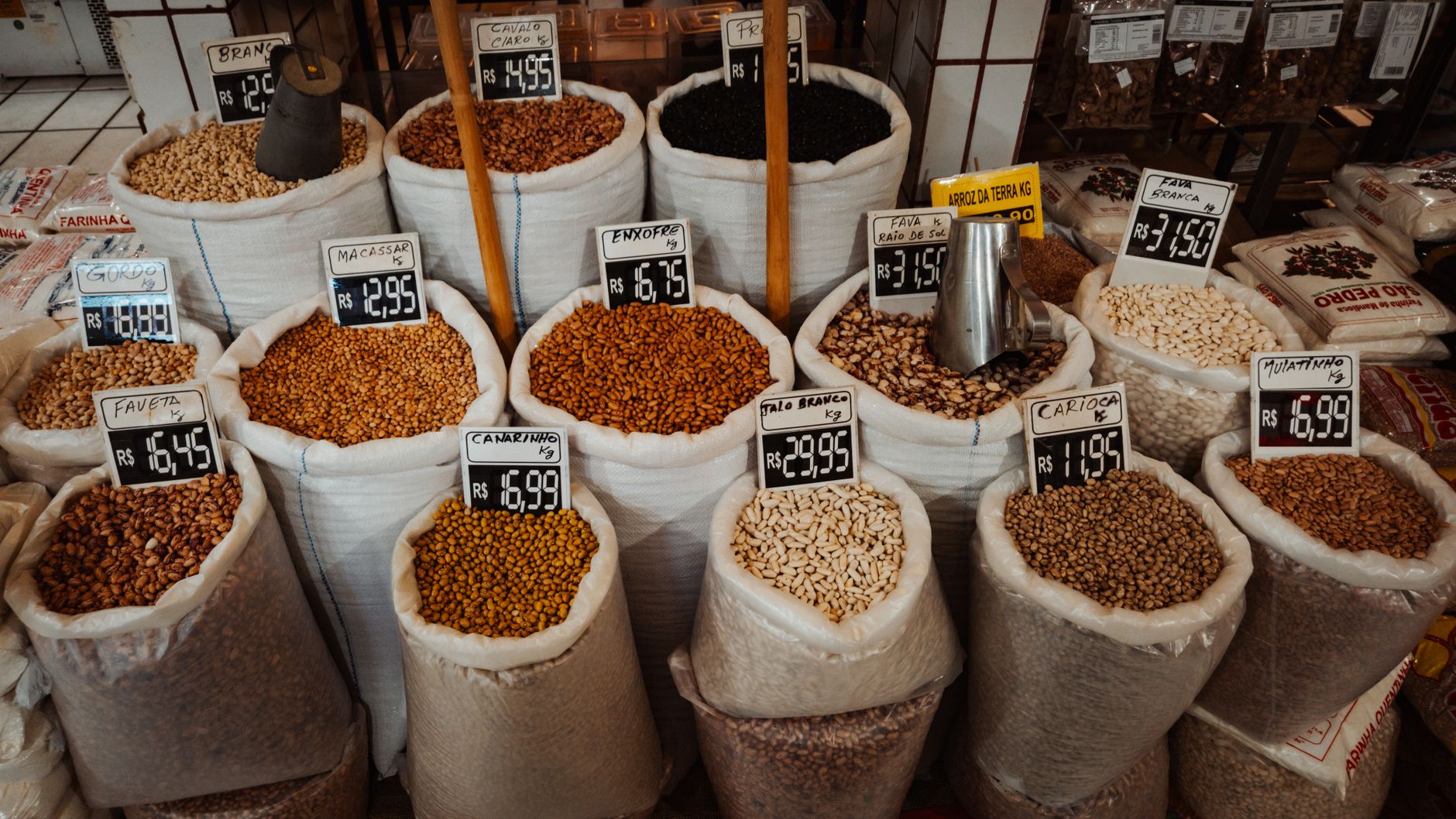
Choosing the right kind of beans for chili is essential for achieving the perfect balance of flavors, textures, and nutrients. While chili can be made with a variety of ingredients, the type of beans you select significantly impacts the dish’s overall character and satisfaction. Understanding these choices can elevate your chili dish from ordinary to extraordinary.
This guide will explore different types of beans suitable for chili, their flavors, textures, cooking uses, and some thoughtful tips for selecting the best beans for your next chili cooking adventure.
What Kind of Beans for Chili?
When it comes to making chili, the best beans are versatile, flavorful, and contribute to a hearty texture. Common beans for chili include kidney beans, black beans, pinto beans, and navy beans, each bringing unique characteristics and flavors that can complement your chili recipe.
Types of Beans for Chili
Each type of bean has distinct flavors and textures that can enhance the overall chili experience. Below are some of the most popular options and their culinary uses.
Kidney Beans
Kidney beans are perhaps the most classic choice for chili. Their deep red color and firm texture stand up well to prolonged cooking.
- Flavor: Mild and slightly sweet, these beans do not overpower the other ingredients.
- Texture: Firm and slightly creamy, kidney beans contribute to the chili’s heartiness.
- Cooking Uses: Great in traditional beef chili or vegetarian versions. They also absorb spices well, allowing for a complex flavor profile.
Pinto Beans
Pinto beans are another favorite, frequently found in southwestern cuisine. They have a lovely, creamy texture that can add richness to your chili.
- Flavor: Earthy and buttery, they pair well with spices and other robust ingredients.
- Texture: Soft when cooked, which helps to thicken the chili as they break down slightly.
- Cooking Uses: Excellent for chili with a southwestern flair or for those seeking a vegetarian option.
Black Beans
Black beans are not only visually appealing but also packed with nutrients. Their unique black color adds a striking contrast to the dish.
- Flavor: Earthy and slightly sweet, black beans provide a deeper flavor that contrasts well with spices.
- Texture: Creamy and buttery, which blends well with the consistency of chili.
- Cooking Uses: Ideal for vegetarian and vegan chili recipes, helping to create a more substantial meal.
Navy Beans
Navy beans, while less common, can still be an interesting addition to your chili. Their size and mild flavor make them versatile.
- Flavor: Very mild, allowing other ingredients to shine.
- Texture: Soft and creamy, creating a rich, thick chili.
- Cooking Uses: Suitable for creamy chili recipes or when you want to emphasize other flavor components such as sausage or spices.
White Beans
White beans, such as cannellini or great northern beans, are another excellent option that can balance the richness of chili.
- Flavor: Light and slightly nutty, these beans add a subtle character without dominating.
- Texture: Creamy and smooth, they meld well into the chili.
- Cooking Uses: Perfect for white chili variations or light, flavorful chili dishes.
Mixing Beans for Chili
While you can stick to a single bean type, mixing different beans can enhance the complexity and texture of your chili.
- Texture Variation: Different beans have varied textures that can provide a more interesting mouthfeel.
- Flavor Depth: Combining beans can lead to a richer flavor, allowing you to highlight different spices and ingredients in the chili.
- Classic Combinations: Popular combinations include pinto and black beans or kidney and navy beans.
Cooking Tips for Beans in Chili
Preparation techniques can impact the quality and taste of beans in your chili. Here are several cooking tips to consider.
Using Dried vs. Canned Beans
You can choose between dried and canned beans for your chili. Each has pros and cons:
- Dried Beans: These require soaking and longer cooking times but offer a fresher flavor and better texture control. Soak them overnight or use a quick soak method by boiling them for an hour and letting them sit for a few hours.
- Canned Beans: Convenient and ready to use, canned beans can save time. However, they may have added sodium, so rinse them well to reduce salt content.
Cooking Times
The cooking times for beans vary, especially when switching from dried to canned:
- Dried Beans: Typically need 1-2 hours of simmering after soaking.
- Canned Beans: Require just 20-30 minutes to heat through and mingle with the chili flavors.
Seasoning Beans
Beans can absorb flavors wonderfully, so consider adding them at different points during cooking:
- Add dried beans early in the cooking process to allow them to absorb spices.
- For canned beans, consider waiting until the last 30 minutes to keep them intact and avoid overcooking.
Common Mistakes When Cooking Beans
Even small errors can affect the final dish. Avoid these common mistakes:
- Not soaking dried beans can lead to longer cooking times and uneven texture.
- Overcooking beans may cause them to disintegrate in the chili.
- Neglecting to adjust seasoning after adding beans can alter the balance of flavor.
Flavor Pairings for Beans in Chili
The right spices and ingredients can enhance the beans and elevate your chili’s profile. Here are some flavors that pair well:
- Spices: Chili powder, cumin, and smoked paprika complement beans beautifully.
- Herbs: Fresh cilantro or parsley can add a bright touch to your final dish.
- Other Ingredients: Ingredients like tomatoes, corn, and peppers can bring additional depth to the chili.
Health Benefits of Beans in Chili
In addition to their culinary benefits, beans are nutritionally rich, making them a valuable addition to your chili. Here are several health benefits:
- High in Protein: Beans offer an excellent source of plant-based protein, making chili a filling dish.
- Rich in Fiber: The high fiber content in beans aids in digestion and promotes a healthy gut.
- Low in Fat: Beans are naturally low in fat, contributing to a heart-healthy meal.
Storing and Reheating Chili with Beans
Proper storage can keep your chili delicious for days. Here’s how to store and reheat your bean-filled dishes:
Storage
- Refrigerate chili in an airtight container for up to 3-4 days.
- For longer storage, consider freezing chili. Divide it into portions and use freezer-safe containers or bags. It can last up to 3 months in the freezer.
Reheating
- For refrigerated chili, reheat on the stove over medium heat until warmed through. Stir occasionally to prevent sticking.
- If frozen, transfer the chili to the fridge a day before reheating. To reheat, place in a pot over medium heat or use a microwave until steaming hot, checking to avoid overcooking the beans.
Conclusion
Choosing the right beans for chili involves understanding the unique characteristics and flavors of each type. By selecting beans like kidney, pinto, black, navy, or white, you can create a chili that suits your taste and enhances the overall dining experience. With thoughtful preparation and seasoning, your chili can become a warming and satisfying dish perfect for any occasion.
Ready to put your newfound bean knowledge into action? Check out our Meat Church Chili Recipe or Over the Top Chili Recipe for delicious inspiration! Explore related recipes, cooking tips, or food guides for more culinary adventures.