
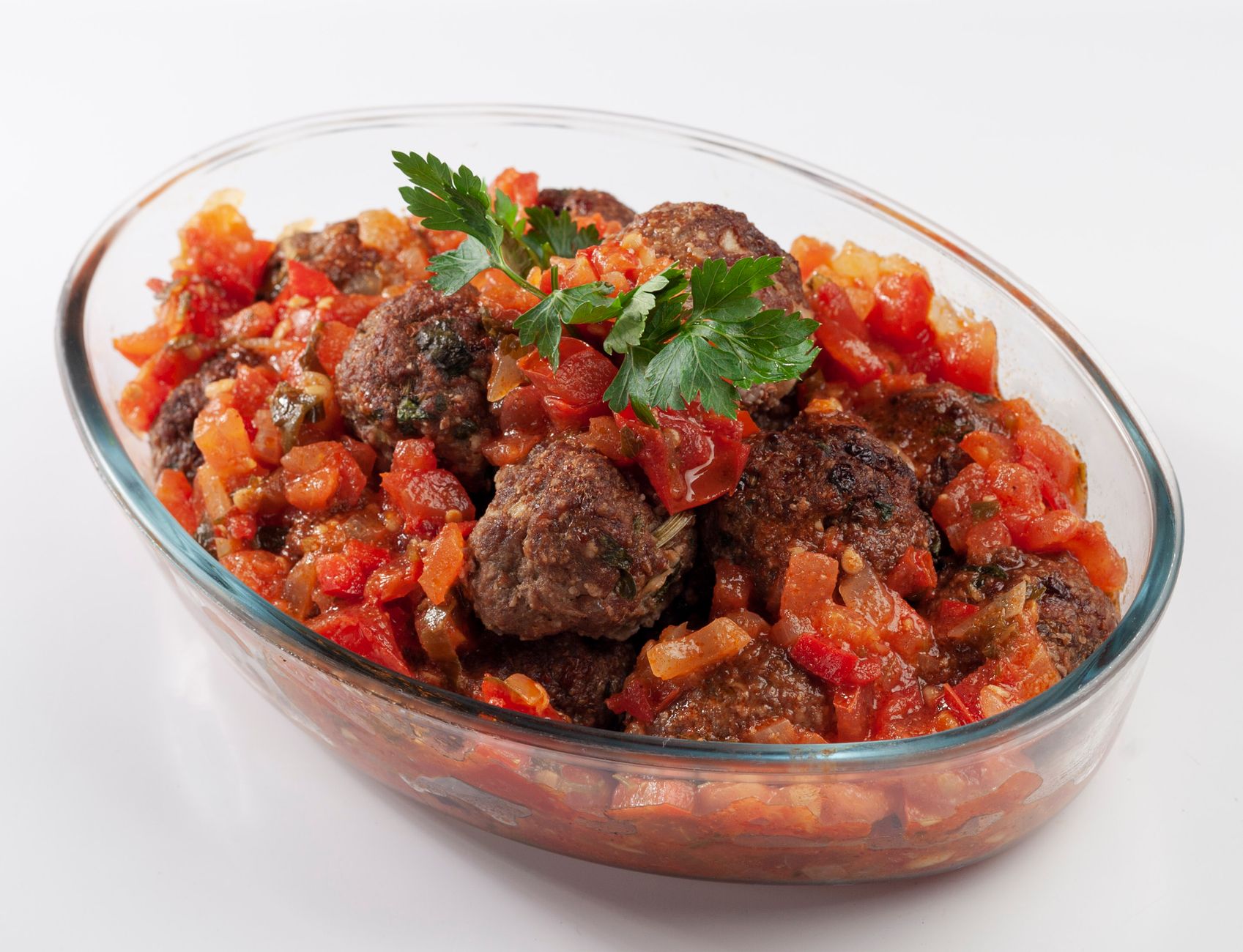
Cooking meatballs can be a delicious and fulfilling endeavor, but knowing how long to cook them at the right temperature is key to achieving perfect texture and flavor. Cooking meatballs at 375°F (190°C) is a popular choice among home cooks as it balances the cooking time and the internal doneness, ensuring tasty results. This guide will walk you through the essential steps to cook meatballs at this temperature, including timing, doneness tips, and helpful techniques.
Whether you’re preparing a classic spaghetti and meatballs dish, serving them as appetizers, or using them in sandwiches, understanding the cooking process is crucial. Let’s explore everything you need to know about cooking meatballs at 375°F, including preparation, cooking duration, and practical tips for achieving flavorful results.
How Long to Cook Meatballs at 375?
The cooking time for meatballs at 375°F typically ranges from 20 to 25 minutes. However, the exact duration can vary based on the size and ingredient composition of the meatballs. To ensure they are cooked properly, an internal temperature of 165°F (74°C) should be achieved, which guarantees that any harmful bacteria are eliminated while retaining juicy texture.
Understanding Meatball Composition
Before diving into cooking times, it’s essential to understand the different factors that can affect the cooking duration of meatballs.
Ingredients
Meatballs can be made from a variety of proteins, with beef, pork, turkey, and chicken being among the most common. Each protein has different fat content, impacting cooking times:
- Beef: Typically has more fat, which can keep meatballs moist and flavorful.
- Pork: Similar to beef; the combination of pork and beef results in tender meatballs.
- Turkey: Leaner and may dry out more quickly; thus, it requires careful attention to cooking time.
- Chicken: Usually leaner than beef or pork, so they may require slightly less time.
Size and Shape
The size of your meatballs significantly influences the cooking time. Small meatballs (about 1 inch in diameter) will cook faster than larger ones (2 inches or more). If you are making your meatballs from scratch, consider using a scoop to keep them uniform in size for more even cooking.
Ingredients for Classic Meatballs
Here’s a basic ingredient list for making classic meatballs:
- 1 pound ground beef (or your choice of meat)
- 1/2 cup breadcrumbs (for binding)
- 1/4 cup grated Parmesan cheese
- 1/4 cup chopped parsley (optional)
- 2 cloves garlic, minced
- 1 large egg (for binding)
- 1 teaspoon salt
- 1/2 teaspoon black pepper
- 1/2 teaspoon onion powder or minced onion
Essential Equipment for Cooking Meatballs
Gathering the appropriate tools will streamline your cooking process:
- Mixing bowl
- Baking sheet lined with parchment paper or foil
- Meat thermometer (to check doneness)
- Spoon or scoop for shaping meatballs
Step-by-Step Cooking Method
- Prepare the Mixture: In a mixing bowl, combine the ground meat, breadcrumbs, Parmesan cheese, parsley, garlic, egg, salt, pepper, and onion powder. Mix gently until all ingredients are well incorporated, but avoid overmixing to keep the meatballs tender.
- Form the Meatballs: Use a scoop or your hands to shape the mixture into uniform balls. Aim for about 1 to 2 inches in diameter.
- Preheat the Oven: Set your oven to 375°F (190°C) and allow it to fully warm up before inserting the baking sheet.
- Arrange the Meatballs: Place the formed meatballs on a baking sheet lined with parchment paper, ensuring there’s some space between each to promote even cooking.
- Bake: Cook the meatballs in the oven for 20 to 25 minutes, depending on their size. Check the internal temperature with your meat thermometer; they should reach at least 165°F (74°C).
- Rest: Let the meatballs rest for a few minutes out of the oven before serving to allow juices to redistribute.
Doneness Tips
While the recommended cooking time is generally reliable, it’s always best to check the doneness of your meatballs:
- Use a Food Thermometer: This is the most accurate way to ensure your meatballs are cooked through. Insert the thermometer into the center of the meatball, avoiding touching the pan.
- Visual Inspection: Cooked meatballs should be browned on the outside, and there should be no pink in the center.
- Juice Color: Cut into one or poke with a fork; clear juices indicate that the meatballs are done.
Common Mistakes When Cooking Meatballs
A few common pitfalls can affect the quality of your meatballs:
- Overmixing: This can lead to tough meatballs. Mix just until combined.
- Skipping the Binding Agents: Binders like breadcrumbs and eggs are essential for maintaining shape and moisture.
- Not Preheating the Oven: Always preheat your oven before placing meatballs inside to ensure even cooking.
- Crowding the Pan: Overcrowding can lead to uneven cooking. Give each meatball space on the baking sheet.
Serving Suggestions for Meatballs
Meatballs are versatile and can be enjoyed in various ways:
- Spaghetti and Meatballs: Serve over your favorite pasta with marinara sauce.
- Swedish Meatballs: Serve with creamy gravy and egg noodles.
- Meatball Sub: Place into a hoagie roll topped with marinara sauce and mozzarella cheese.
- Meatball Appetizers: Glaze with BBQ sauce or sweet-and-sour sauce for tasty bites.
Make-Ahead and Storage Tips
Meatballs can be prepared ahead of time, making them a convenient option for meal prep:
- Make-Ahead: You can form meatballs in advance and store them raw in the refrigerator for up to 24 hours before baking.
- Freezing: For longer storage, freeze uncooked meatballs on a baking sheet, then transfer to a freezer bag. They can be cooked from frozen, increasing the cook time by about 10 minutes.
- Storing Leftovers: Cooked meatballs can be kept in the refrigerator for up to 3 days in an airtight container. For longer storage, freeze cooked meatballs for up to 3 months.
Reheating Cooked Meatballs
To enjoy leftover meatballs, reheating should be done carefully to retain moisture:
- Oven: Preheat the oven to 350°F (175°C) and cover meatballs with foil in a baking dish, heating until warmed through.
- Microwave: Place a few meatballs in a microwave-safe dish, cover, and heat in short intervals, checking frequently.
- Stovetop: Heat in a pan over low heat, adding a splash of marinara sauce to help maintain moisture.
Ingredient Substitutions
If you are missing some ingredients or want to make variations on the classic meatballs, consider these substitutions:
- Meat: Ground turkey, chicken, or even plant-based meat can be used in place of ground beef.
- Bread Crumbs: If you don’t have breadcrumbs, crushed crackers or oats can serve as an alternative, but keep in mind each will alter texture slightly.
- Cheese: Grated cheddar or mozzarella can substitute for Parmesan, leading to a different flavor profile.
- Fresh Herbs: If parsley is unavailable, consider using basil or cilantro for a different flavor twist.
Final Tips for Cooking Meatballs at 375
Mastering meatball preparation can elevate your cooking skills:
- Experiment with spices such as oregano, thyme, or paprika to add distinct flavors.
- Consider adding vegetables like finely chopped onions or bell peppers for added texture and moisture.
- Keep an eye on the cooking time, especially for larger meatballs, ensuring they are thoroughly cooked without drying out.
In summary, cooking meatballs at 375°F offers a perfect balance of texture and flavor, with a cooking timeframe of around 20 to 25 minutes. Focusing on ingredients, proper technique, and doneness checks can lead to delicious results every time. Whether you’re preparing them fresh or reheating leftovers, these tips should enhance your meatball-making experience.
Invite family and friends over for a satisfying meal, or keep a batch ready in the freezer for quick dinners. For more delicious recipes and cooking tips, explore our articles on how long to cook meatloaf at 375
How Long to Cook Meatloaf at 375 and check out our flavorful Meatball Appetizer Recipe.