
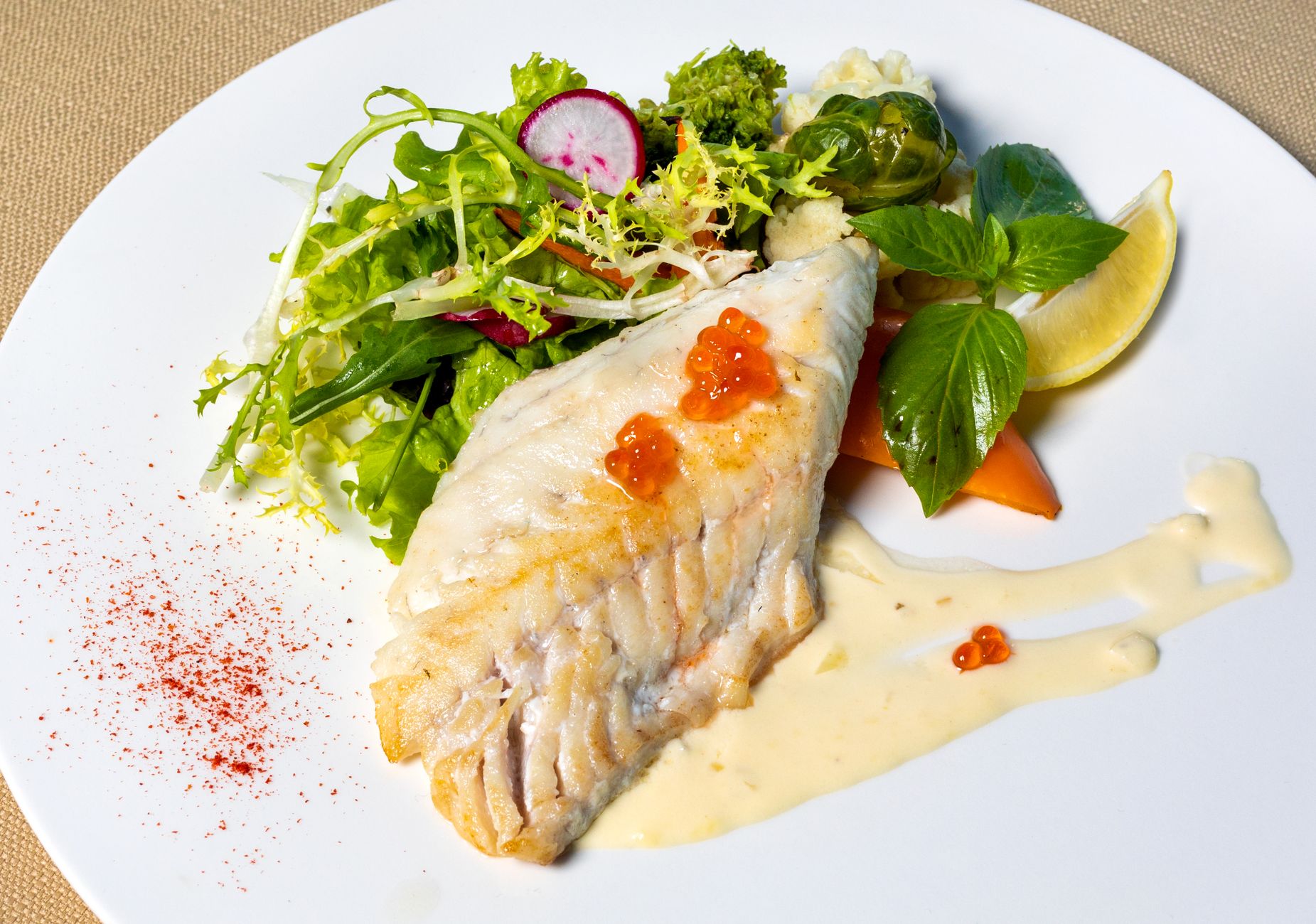
Cod is a popular white fish admired for its mild flavor and flaky texture. Many seafood lovers and novices alike often wonder, “Does cod taste fishy?” This article will answer that question by exploring the flavor profile of cod, its characteristics, and how it can be cooked to avoid any undesired fishy taste.
This comprehensive guide will also provide you with serving ideas, preparation techniques, and tips to ensure you’re enjoying cod at its best, whether you’re a seasoned chef or just starting to explore the wonders of seafood.
Does Cod Taste Fishy?
Generally, cod does not taste fishy. It is known for its mild flavor and delicate texture, making it an excellent choice for those who are not fond of strong fish tastes. The fishy taste commonly associated with seafood is often a result of poor handling or storage conditions. Fresh cod has a clean, slightly sweet flavor that many find appealing.
Understanding Cod: Flavor and Texture
Cod is a versatile fish that belongs to the Gadidae family, known for its lean, firm flesh. Its texture is flaky and robust, which allows it to hold up well to various cooking methods. The flavor is subtle, making it an ideal canvas for a range of seasonings and sauces.
Flavor Profile
- Mildness: Cod’s flavor is often described as sweet and mild, which makes it accessible to a wide audience.
- Sweet Notes: Fresh cod can have gentle sweet undertones, enhancing its appeal.
- Adaptability: Due to its mild flavor, cod pairs well with numerous spices, herbs, and sauces.
Texture
- Flaky: When cooked properly, cod becomes flaky, making it enjoyable to eat.
- Firmness: Cod’s firm flesh makes it suitable for grilling, frying, baking, and even broiling.
- Moisture: Cooked cod should retain moisture, which contributes to its tenderness.
Choosing Fresh Cod
Selecting fresh cod is crucial for ensuring the best flavor and texture. Here are some tips for choosing quality cod:
- Appearance: Fresh cod should have a translucent, glossy appearance and bright, vibrant color, ranging from white to pale beige.
- Smell: Fresh cod should have a clean, ocean-like scent, not an overly fishy aroma.
- Texture: The flesh should be firm and bounce back when pressed, indicating freshness.
- Eyes: If purchasing whole fish, the eyes should be clear and bright, not cloudy or sunken.
Cooking Techniques to Avoid Fishy Taste
While cod is typically mild, improper cooking can sometimes lead to a less desirable flavor. Here are effective cooking techniques to highlight its natural taste:
Baking Cod
- Preheat your oven to 375°F (190°C).
- Season the cod with salt, pepper, and your choice of herbs or spices.
- Place the seasoned cod in a baking dish, adding a splash of lemon juice or a drizzle of olive oil to enhance flavor.
- Bake for about 15-20 minutes or until the fish flakes easily with a fork.
Grilling Cod
- Preheat the grill to medium heat (about 350°F or 175°C).
- Pat the cod dry with a paper towel and brush with olive oil to retain moisture.
- Season as desired and place the fish on a well-greased grill.
- Cook for around 4-6 minutes per side or until the fish is opaque and flakes easily.
Frying Cod
- Select a light breading or batter for frying to enhance the flavor without overpowering it.
- Heat oil in a deep skillet to about 350°F (175°C).
- Fry the fish for 4-6 minutes per side or until golden brown and cooked through.
Steaming Cod
- Fill a pot with a few inches of water and bring it to a simmer.
- Season the cod lightly and place it in a steamer basket over the simmering water.
- Cover and steam for approximately 6-10 minutes, depending on the thickness of the fillet.
Serving Ideas to Enhance Cod
- Lemon Butter Sauce: A classic pairing, a simple lemon butter sauce can heighten the fish’s natural sweetness.
- Herb Crust: Combine breadcrumbs with chopped herbs for a crunchy topping that brings additional texture and flavor.
- Vegetable Medley: Serve cod alongside steamed or roasted vegetables like asparagus, carrots, or zucchini.
- Fish Tacos: Flake the cod into pieces, serve in warm corn tortillas, and top with cabbage slaw and salsa.
- Rice or Quinoa: Serve with a bed of seasoned rice or quinoa to absorb the flavors of any sauces used.
Substitutions and Variations
If you’re planning to make a dish that calls for cod but find yourself without it, several fish can serve as suitable substitutes:
- Haddock: Similar in flavor and texture, haddock can be substituted in many cod recipes.
- Pollock: Typically used in fish sticks and imitation crab, pollock has a mild flavor that can work well in most cod dishes.
- Bass: This fish offers a firmer texture and richer flavor, appealing for grilling or roasting.
Common Mistakes When Cooking Cod
Learning how to cook cod can be a delightful experience, but there are some pitfalls to avoid:
- Overcooking: Cod can become dry and rubbery if cooked too long. Monitor cooking times closely.
- Under seasoning: Given its mild flavor, cod often benefits from a decent amount of seasoning or sauce.
- Poor quality fish: Always choose fresh cod to avoid any unwanted fishy flavors.
Storage and Reheating Cod
Proper storage of cooked cod is vital for freshness and safety:
- Storage: Place any leftover cooked cod in an airtight container within two hours of cooking. Store in the refrigerator for up to 3 days.
- Freezing: For longer storage, cod can be frozen. Wrap it tightly in plastic wrap and then aluminum foil; it can last up to 3 months in the freezer.
- Reheating: Reheat gently, preferably in the oven at 350°F (175°C) to maintain moisture, for about 10-15 minutes.
Exploring Regional Variations of Cod
Cod is enjoyed worldwide, and many cultures incorporate it into traditional dishes. Here are a few notable examples:
- Bacalhau (Portugal): Dried and salted cod is a staple in Portuguese cuisine, often prepared in a variety of ways, including casseroles and fritters.
- Fish and Chips (UK): Cod, coated in batter and deep-fried, is served with fries and tartar sauce in this classic British dish.
- Cod Brandade (France): This creamy dish combines cod with mashed potatoes, garlic, and olive oil, served warm or at room temperature.
Final Thoughts
Cod is an incredibly versatile fish that can be enjoyed in many culinary applications without a fishy taste. Knowing how to select and cook it correctly ensures that you will experience its delightful mild flavor and flaky texture. With these tips, you can confidently explore the world of cod and create delicious meals perfect for any occasion.
For additional guidance, consider checking out how to tell if salmon is bad or try out a baked haddock recipe for a similar seafood experience.