
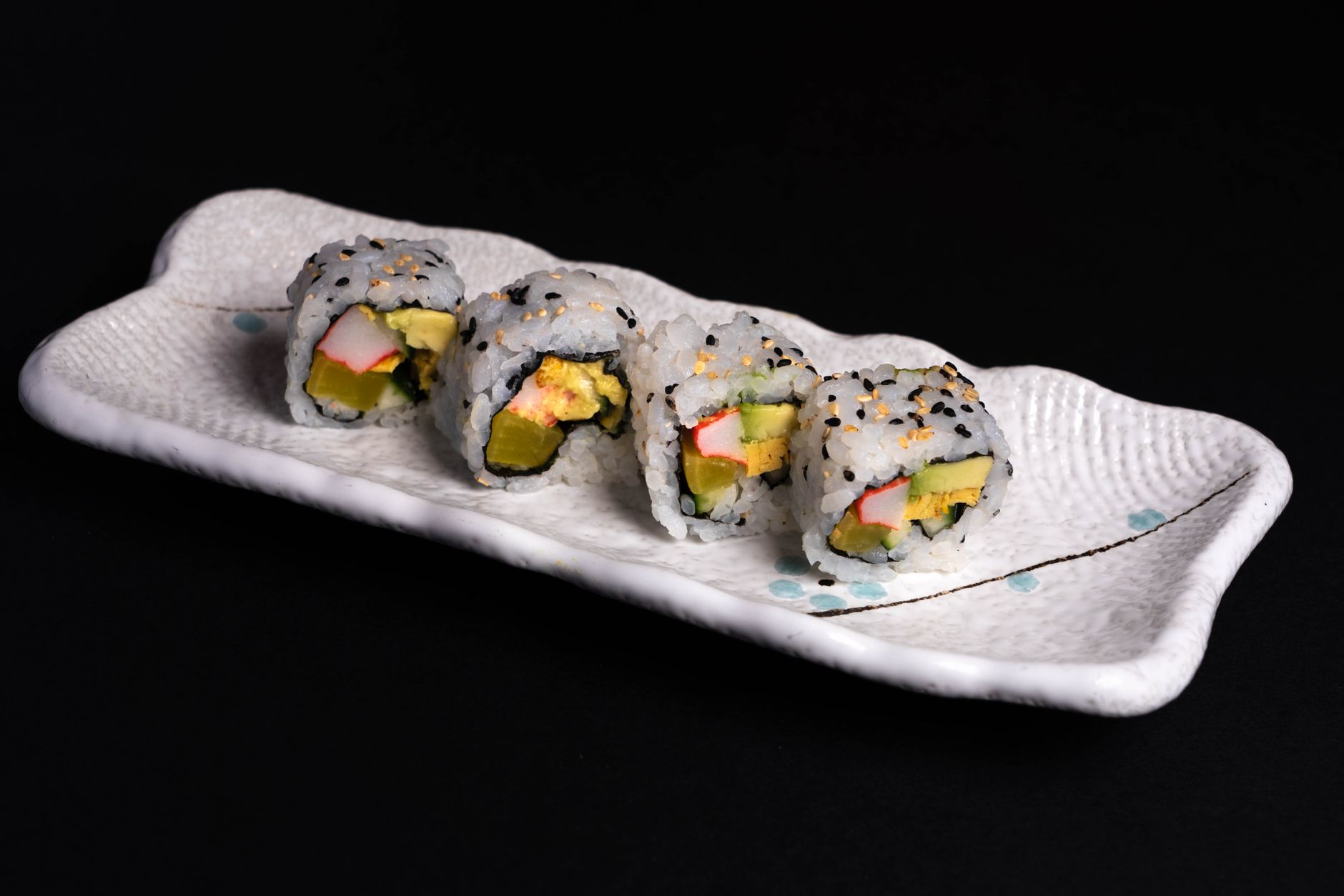
California rolls have gained immense popularity as one of the most well-known sushi varieties, particularly outside of Japan. They appeal to many for their unique flavor profile and accessibility, combining cooked and raw elements in an enjoyable way. Understanding what goes into a California roll can deepen your appreciation for this beloved dish and potentially inspire you to create it at home.
This article will explore the components of a traditional California roll, delve into its preparation and variations, compare it to other sushi types, and highlight tips for making an outstanding version at home. Whether you are a sushi enthusiast or a curious beginner, there’s much to discover.
What Comes in a California Roll?
A California roll typically contains a combination of seasoned sushi rice, nori (seaweed), imitation crab, avocado, and cucumber. The invention of the California roll played a significant role in introducing sushi to Western palates and is characterized by its intriguing flavor and texture contrast.
Breaking Down the Ingredients
Sushi Rice
Sushi rice is short-grain rice, which is sticky and allows the rolls to hold together. The rice is cooked and then flavored with a mixture of rice vinegar, sugar, and salt, creating a slightly tangy and sweet taste. The preparation of sushi rice is crucial, as it impacts the overall texture and flavor of the roll.
Nori
Nori is a type of seaweed used to wrap sushi rolls. It provides a distinct umami flavor and a slight crunch. Nori is typically sold in sheets and varies in quality. For California rolls, it’s essential to use high-quality, toasted nori for the best taste.
Imitation Crab
The primary protein in a California roll is usually imitation crab, made from a blend of fish, starch, and various flavorings. It is an accessible option as it’s fully cooked and has a mild flavor that complements the other ingredients. If preferred, real crab meat can be substituted for a more authentic taste.
Avocado
Avocado adds a creamy texture and richness to California rolls. The fruit is carefully chosen to ensure it is ripe yet firm, adding balance to the roll’s overall flavor profile. This ingredient also contributes healthy fats, making the dish more satisfying.
Cucumber
Cucumber provides a refreshing crunch to balance the flavors of the creamy avocado and savory crab. It is typically julienned or sliced into thin strips for easy incorporation into the roll.
Flavor Profile and Texture
The flavor of a California roll often caters to a range of preferences, thanks to its combination of sweet, savory, creamy, and refreshing elements. The sticky, seasoned rice serves as a pleasant backdrop for the umami-laden ingredients, while the avocado and cucumber create a delicate balance of creaminess and crunch.
Yield and Preparation Time
A traditional California roll typically yields eight pieces. Preparation time can take up to 30 minutes, depending on your familiarity with sushi techniques. If you are gathering and preparing ingredients for the first time, allow for additional time to familiarize yourself.
Essential Equipment for Making California Rolls
- Sushi mat (bamboo rolling mat)
- Sharp knife
- Large mixing bowl
- Measuring cups and spoons
- Rice cooker or pot for cooking rice
- Plastic wrap (optional)
- Small bowl of water (to moisten hands)
Step-by-Step Method to Prepare California Rolls
- Prepare Sushi Rice: Rinse 2 cups of short-grain rice under cold water until the water runs clear. Cook the rice in a rice cooker or pot. Once cooked, transfer to a large bowl.
- Season the Rice: While the rice is still warm, mix together 1/4 cup rice vinegar, 2 tablespoons sugar, and 1 teaspoon salt. Fold this mixture gently into the cooked rice using a wooden spatula. Allow the rice to cool to room temperature.
- Prepare Fillings: Slice 1 medium avocado, 1 medium cucumber, and 8 ounces of imitation crab into thin strips.
- Set Up Rolling Station: Place a bamboo sushi mat on a clean, flat surface. Put a sheet of nori, shiny side down, on the mat.
- Add Sushi Rice: Moisten your hands with water to prevent sticking. Take about 1 cup of sushi rice and spread it evenly over the nori, leaving about an inch of space at the top.
- Add Fillings: Place a strip of imitation crab, a few slices of avocado, and cucumber in a line across the center of the rice-covered nori.
- Roll it Up: Start rolling the mat away from you, using your fingers to keep the fillings in place. Compress the roll gently but firmly as you go. Continue until the roll is complete and the nori seals against the rice.
- Slice the Roll: Using a sharp knife, slice the roll into six to eight even pieces. Wipe the knife with a damp cloth between cuts to ensure neat slices.
Variations and Creative Twists
While the traditional California roll consists of the standard ingredients, there are endless variations to explore.
Spicy California Roll
For a spicy kick, add sriracha or a spicy mayo blend (mayonnaise mixed with sriracha) along with the crab to increase flavor depth and heat.
Crispy California Roll
To add an element of crunch, consider lightly pan-frying the roll. After rolling, coat the outside with panko breadcrumbs and fry until golden brown, creating a delicious crispy texture.
Vegetarian California Roll
For a vegetarian option, substitute the imitation crab with marinated tofu or additional vegetables like bell peppers or zucchini, maintaining the refreshing flavors of cucumber and avocado.
Other Protein Options
Instead of imitation crab, you can experiment with shrimp tempura, smoked salmon, or slices of seared tuna, each imparting a unique flavor that complements the roll.
Common Mistakes and Troubleshooting
Making California rolls can be challenging. Here are some common pitfalls to avoid:
- Using the Wrong Rice: Always use short-grain sushi rice for the best texture. Long-grain rice will not stick well.
- Overfilling the Roll: It’s essential to use the right amount of rice and fillings. Overfilling can lead to difficulty in rolling and maintaining shape.
- Not Keeping Ingredients Fresh: Ensure all ingredients, especially the avocado and crab, are fresh to create the best flavor and texture.
- Rough Cutting: Use a sharp knife to slice the roll. A dull knife crushes the roll rather than cutting it cleanly.
Storage and Reheating Guidance
California rolls are best enjoyed fresh. However, if you have leftovers, store them in an airtight container in the refrigerator for up to 24 hours. It’s essential to keep the rolls sealed to prevent drying out. Avoid freezing sushi rolls, as the texture and flavor will degrade upon thawing.
Comparison to Other Sushi Types
California rolls are distinctive; understanding their uniqueness will enhance your sushi knowledge.
Traditional Sushi Rolls (Makimono)
Unlike traditional sushi rolls that often contain raw fish, California rolls emphasize cooked ingredients and imitation crab, making them more approachable for those wary of sushi.
Nigiri
Different from maki rolls, nigiri consists of a hand-formed rice base topped with a slice of fish or other ingredients. It lacks the seaweed wrap typical of California rolls.
Sashimi
Sashimi is simply slices of raw fish or seafood served without rice, focusing on the freshness and quality of the fish. California rolls, on the other hand, blend various ingredients for balanced flavors.
Why Make California Rolls at Home?
Making California rolls at home is a rewarding experience allowing you to control the quality of ingredients and customize flavors to your liking. Plus, it’s an engaging culinary activity suitable for gatherings or family dinners.
Shopping for Ingredients
When shopping for California roll ingredients, consider visiting an Asian grocery store for the best selection. Look for quality sushi rice, nori, and fresh vegetables. Additionally, check out the seafood section for imitation crab or any protein substitutes you wish to use. Buying in bulk is also a good way to stock your kitchen for future sushi nights.
Conclusion
California rolls are a delightful fusion that captures a balance of flavors and textures that cater to diverse palates. Understanding the ingredients and techniques involved enriches your kitchen experience and encourages you to experiment. Whether savoring them at a restaurant or crafting them at home, California rolls provide a delicious window into the world of sushi.
Explore more recipes, cooking tips, and food guides to elevate your culinary skills and broaden your palate. Happy cooking!