
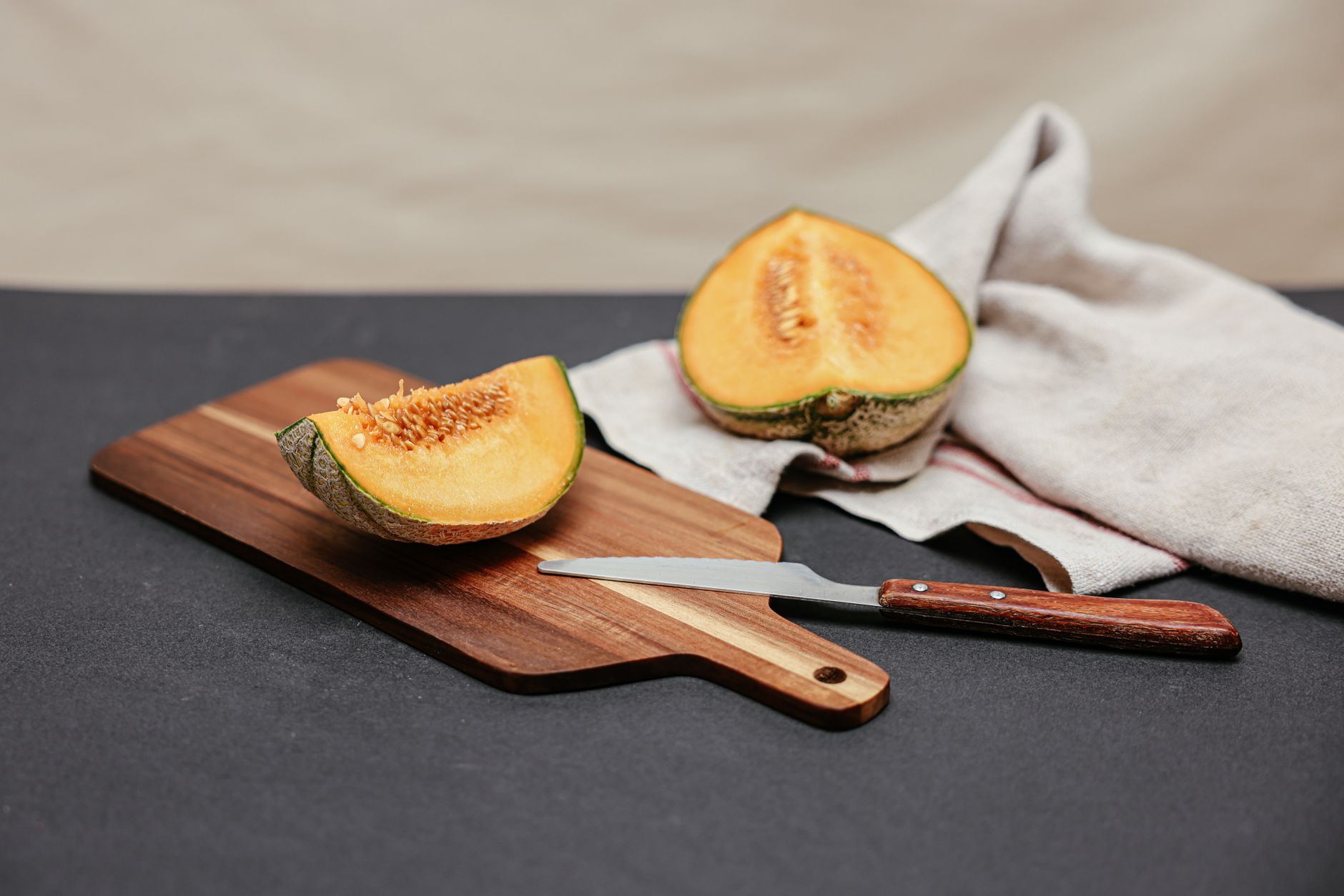
Cantaloupe is a delightful and nutritious fruit that brings a refreshing sweetness to various culinary creations. It’s a popular choice for summer snacks, fruit salads, smoothies, and more. Many health-conscious individuals wonder about the caloric content of cantaloupe, especially when planning meals or tracking dietary intake. Understanding the number of calories in one cup of cantaloupe can help individuals factor this delicious fruit into their nutritional goals.
In this article, we’ll explore the specific calorie content in a cup of cantaloupe, its nutritional profile, potential uses in meals, and tantalizing ways to incorporate this juicy fruit into your diet.
How Many Calories in 1 Cup of Cantaloupe?
One cup of diced cantaloupe contains approximately 53 calories. This low-calorie count makes cantaloupe an excellent choice for those looking to maintain or lose weight, providing a satisfying sweet flavor with minimal caloric impact.
Nutritional Breakdown of Cantaloupe
Cantaloupe is not only low in calories but also densely packed with nutrients. Here’s a more detailed nutritional profile per one-cup serving (approximately 177 grams):
- Calories: 53
- Protein: 1.5 grams
- Carbohydrates: 13.2 grams
- Sugars: 12 grams
- Fiber: 1.4 grams
- Fat: 0.3 grams
- Vitamin A: 299% of the Daily Value (DV)
- Vitamin C: 109% of the DV
- Potassium: 11% of the DV
- Magnesium: 4% of the DV
This nutritional content shows that cantaloupe is exceptionally rich in vitamins A and C, both of which are crucial for maintaining health.
Health Benefits of Cantaloupe
Incorporating cantaloupe into your diet can provide a variety of health benefits:
- Hydration: Cantaloupe has a high water content (about 90%), which helps keep you hydrated, especially during hot months.
- Weight Management: Due to its low calories and fiber content, eating cantaloupe can help you feel full without consuming a lot of calories.
- Antioxidant Properties: The vitamin C and beta-carotene in cantaloupe combat free radicals, potentially reducing the risk of chronic diseases.
- Eye Health: Vitamin A plays a critical role in maintaining good vision and overall eye health.
How to Select and Store Cantaloupe
Selecting the right cantaloupe is key to enjoying its sweet, juicy flavor. Here’s how to choose and store it properly:
Selecting Cantaloupe
- Check for Ripeness: Look for a firm cantaloupe with a fragrant scent. A ripe cantaloupe will have a slightly soft spot on the bottom.
- Color: The skin should be a golden-yellow or cream color, which indicates ripeness.
- Shape: Choose a cantaloupe with a uniform round shape. Avoid those with blemishes or irregular shapes.
Storing Cantaloupe
To ensure freshness, store cantaloupe properly:
- Whole Cantaloupe: Keep it uncut at room temperature to allow it to ripen fully. Once ripe, it can be stored in the refrigerator for up to five days.
- Cut Cantaloupe: Store cut pieces in an airtight container in the refrigerator and consume within three days to maintain freshness.
Delicious Ways to Use Cantaloupe
Cantaloupe may be enjoyed on its own, but there are numerous creative ways to incorporate it into your meals:
1. Cantaloupe Salad
A refreshing salad combines cantaloupe with feta cheese, fresh mint, and a drizzle of balsamic reduction. The sweetness of the cantaloupe balances beautifully with the salty, creamy feta cheese.
2. Cantaloupe Smoothie
Blend cantaloupe with yogurt, a splash of orange juice, and a handful of spinach for a nutritious breakfast smoothie. This energizing drink is packed with vitamins and minerals.
3. Cantaloupe Salsa
Dice cantaloupe and mix it with chopped red onion, jalapeño, cilantro, lime juice, and salt. This unique salsa pairs perfectly with grilled fish or chicken.
4. Cantaloupe Popsicles
Puree cantaloupe with a bit of honey or lime juice, pour into molds, and freeze for a refreshing summer treat. These pops are not only delicious but are also low in calories!
5. Cantaloupe with Prosciutto
Wrap slices of cantaloupe with prosciutto for an elegant appetizer. The saltiness of the prosciutto complements the sweet juiciness of the cantaloupe, creating a wonderful harmony of flavors.
Meal Planning with Cantaloupe
Incorporating cantaloupe into your meal plan can make for healthier choices and offer variety. Here’s an example of a one-day meal plan featuring cantaloupe:
| Meal | Menu Item |
|---|---|
| Breakfast | Smoothie with cantaloupe, spinach, yogurt, and orange juice |
| Snack | Diced cantaloupe sprinkled with lime juice |
| Lunch | Mixed salad with cantaloupe, feta, and mint |
| Dinner | Grilled chicken with cantaloupe salsa and quinoa |
| Dessert | Frozen cantaloupe popsicles |
Common Mistakes to Avoid with Cantaloupe
To fully enjoy cantaloupe and its benefits, here are some common mistakes to avoid:
- Choosing an Unripe or Overripe Cantaloupe: Picking a cantaloupe that isn’t ripe will result in less flavor, while an overripe one may be mushy and unpleasant.
- Not Washing the Skin: Always wash the cantaloupe skin before cutting it to prevent dirt and bacteria from contaminating the fruit.
- Neglecting Portion Control: While cantaloupe is low in calories, eating in moderation is essential for overall balance.
Conclusion
To summarize, a cup of cantaloupe contains around 53 calories, making it a fantastic option for healthy eating. Its low-calorie nature, combined with high nutrient density, makes cantaloupe a valuable addition to fruit salads, smoothies, and savory dishes. Selecting and storing cantaloupe correctly ensures you can enjoy this delicious fruit while reaping its numerous health benefits.
If you’re interested in exploring other fruits, consider checking out our guides on freezing watermelon or making chia pudding with coconut milk. These resources can help expand your knowledge and enhance your cooking with nutritious ingredients.