
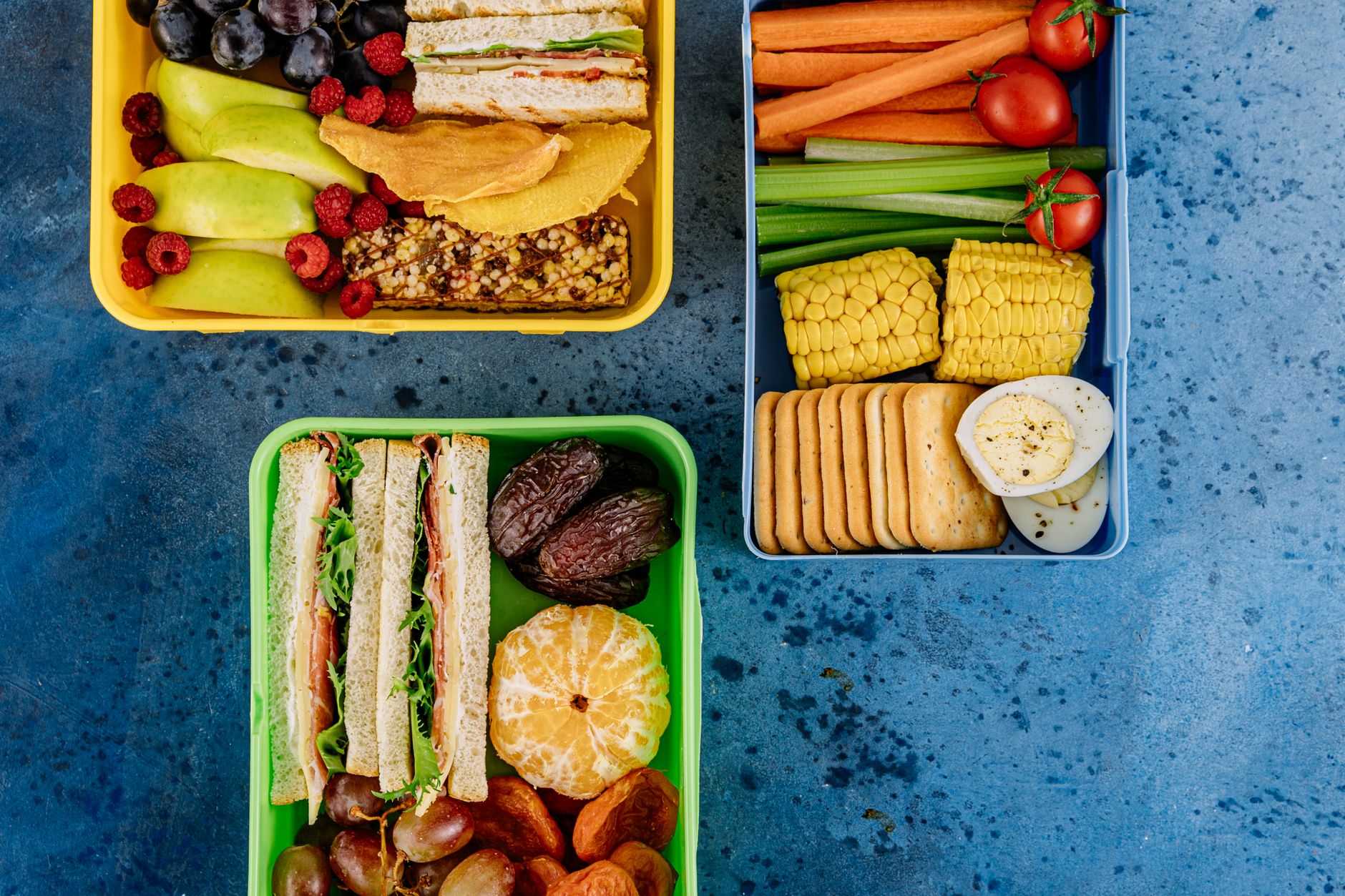
Maintaining balanced blood sugar is crucial for overall health, and knowing what to eat when your blood sugar is low can make a significant difference. When faced with low blood sugar, it’s important to reach for foods that offer a quick source of energy, often through carbohydrates.
However, not all carbohydrates are created equal. Understanding which foods can effectively address low blood sugar, as well as incorporating some healthy protein and fat, can help stabilize energy levels and keep you feeling your best.
What Should I Eat If My Blood Sugar Is Low?
If your blood sugar is low, you should choose easily digestible carbohydrates combined with protein and fat to help stabilize your levels. Quick sources of carbohydrates such as fruit, whole grains, and dairy can boost your blood sugar rapidly. It’s also beneficial to include foods rich in protein and healthy fats to prolong satiety and avoid sharp spikes and crashes.
Understanding Low Blood Sugar
Low blood sugar, or hypoglycemia, occurs when your blood glucose levels drop below normal. Common symptoms can include dizziness, confusion, sweating, fatigue, and irritability. Causes can range from skipping meals to increased physical activity or specific medications.
Quick-Fix Foods for Low Blood Sugar
When experiencing a blood sugar drop, the goal is to quickly raise glucose levels with fast-acting carbohydrates. Following are some suggestions for effective choices:
- Fruit: Fresh fruit, such as bananas, apples, or orange slices, provides natural sugars and is easy to digest.
- Fruit Juice: Drinking a small glass of fruit juice, such as orange juice, can rapidly increase blood sugar levels.
- Honey or Sugar: Consuming a tablespoon of honey, sugar, or corn syrup can offer immediate relief.
- Glucose Tablets: These are specifically designed to increase blood sugar levels quickly and are an effective option to have on hand.
- Peanut Butter: Pairing peanut butter with bread or crackers provides a quick carbohydrate boost along with protein and healthy fat.
- Dried Fruit: Options like raisins or apricots are concentrated sources of sugar, making them practical choices.
Balancing Quick Sugars with Protein and Fats
While quick-carbohydrate foods can raise blood sugar levels swiftly, it is essential to balance them with protein and healthy fats to mitigate spikes. Here’s how to combine them:
Healthy Protein Options
Incorporating protein helps to sustain energy levels. Here are some protein-rich foods you can opt for:
- Greek Yogurt: This thick and creamy yogurt is packed with protein and pairs well with fruits or honey.
- Hard-Boiled Eggs: They are compact, portable, and packed with protein and nutrients.
- Cheese: Pairing cheese with fruit or whole grain crackers provides a tasty balance.
- Hummus: The chickpeas in hummus offer protein and fiber; serve it with raw vegetables or whole-grain pita.
Nutritious Fats
Consumption of healthy fats can help you feel full longer and help stabilize blood sugar levels:
- Avocado: Rich in healthy fats and fiber, it can be spread on whole-grain toast for a wholesome snack.
- Nuts and Seeds: Almonds, walnuts, and chia seeds offer protein, healthy fats, and fiber; enjoy them in moderation.
- Nut Butters: Almond or cashew butter can be spread on a banana or whole-grain toast.
Sample Meal Plan for Blood Sugar Management
Creating a balanced meal plan that supports stable blood sugar can help avert low blood sugar episodes. Here’s a sample meal plan that incorporates the principles discussed:
Breakfast
- Overnight oats topped with sliced banana, a sprinkle of chia seeds, and a spoonful of almond butter.
Morning Snack
- Greek yogurt with a handful of berries and a drizzle of honey.
Lunch
- Whole grain wrap filled with grilled chicken, hummus, greens, and sliced avocado.
Afternoon Snack
- A small handful of nuts with a piece of fruit, such as an apple or orange.
Dinner
- Quinoa bowl with black beans, cherry tomatoes, corn, cilantro, and a squeeze of lime. Serve with a side of grilled salmon for added protein.
Evening Snack (if needed)
- Whole-grain crackers with cheese or a small serving of peanut butter.
Food Combinations to Avoid
While it is essential to manage low blood sugar with the right foods, some combinations can contribute to swings in blood sugar levels.
- Refined Sugars: Foods high in simple sugars, like pastries or candy, can cause a rapid spike and subsequent crash.
- Processed Carbohydrates: White bread and sugary cereals may lead to imbalanced blood sugar.
- High Glycemic Index Foods: Foods that spike blood sugar quickly without adequate protein or fiber can lead to crashes.
Monitoring and Awareness
Being aware of how your body responds to specific foods is crucial for people at risk of low blood sugar. Consider keeping a food diary to track foods that seem beneficial versus those that may cause instability.
Additionally, regular monitoring of blood sugar levels, particularly if you have diabetes or experience frequent episodes of hypoglycemia, can help in managing and preventing low blood sugar events.
Practical Tip for Emergency Scenarios
It’s wise to have a healthcare plan in the event of a significant low blood sugar episode. If you find yourself experiencing severe symptoms:
- Consume 15-20 grams of fast-acting carbohydrate (like glucose tablets or juice).
- Wait 15 minutes and recheck blood sugar levels.
- If still low, consume another serving of carbohydrates and repeat until levels stabilize.
- If symptoms persist and blood sugar remains low, seek medical assistance.
Long-Term Strategies for Blood Sugar Management
Addressing low blood sugar isn’t just about immediate fixes. Long-term strategies can help maintain balance:
- Regular Meal Scheduling: Eating at consistent intervals helps maintain steady blood sugar levels.
- Balanced Meals: Focus on meals that include complex carbohydrates, lean proteins, and healthy fats.
- Portion Control: Understanding portion sizes can help prevent overeating and subsequent spikes or drops in blood sugar.
- Hydration: Staying well-hydrated can support metabolic processes.
Conclusion
Knowing what to eat when your blood sugar is low is vital for managing your overall health. By choosing quick-acting carbohydrates combined with protein and healthy fats, you can stabilize your blood sugar effectively. Create a balanced meal plan, monitor your body’s responses, and stay prepared for emergencies. Remember, your body’s needs may vary, and listening to it is essential for maintaining energy levels and overall well-being.
For more delicious ideas, check out our Chia Pudding Recipe with Coconut Milk or our Peanut Butter Granola Recipe for healthy snacks that can help keep your energy steady.