
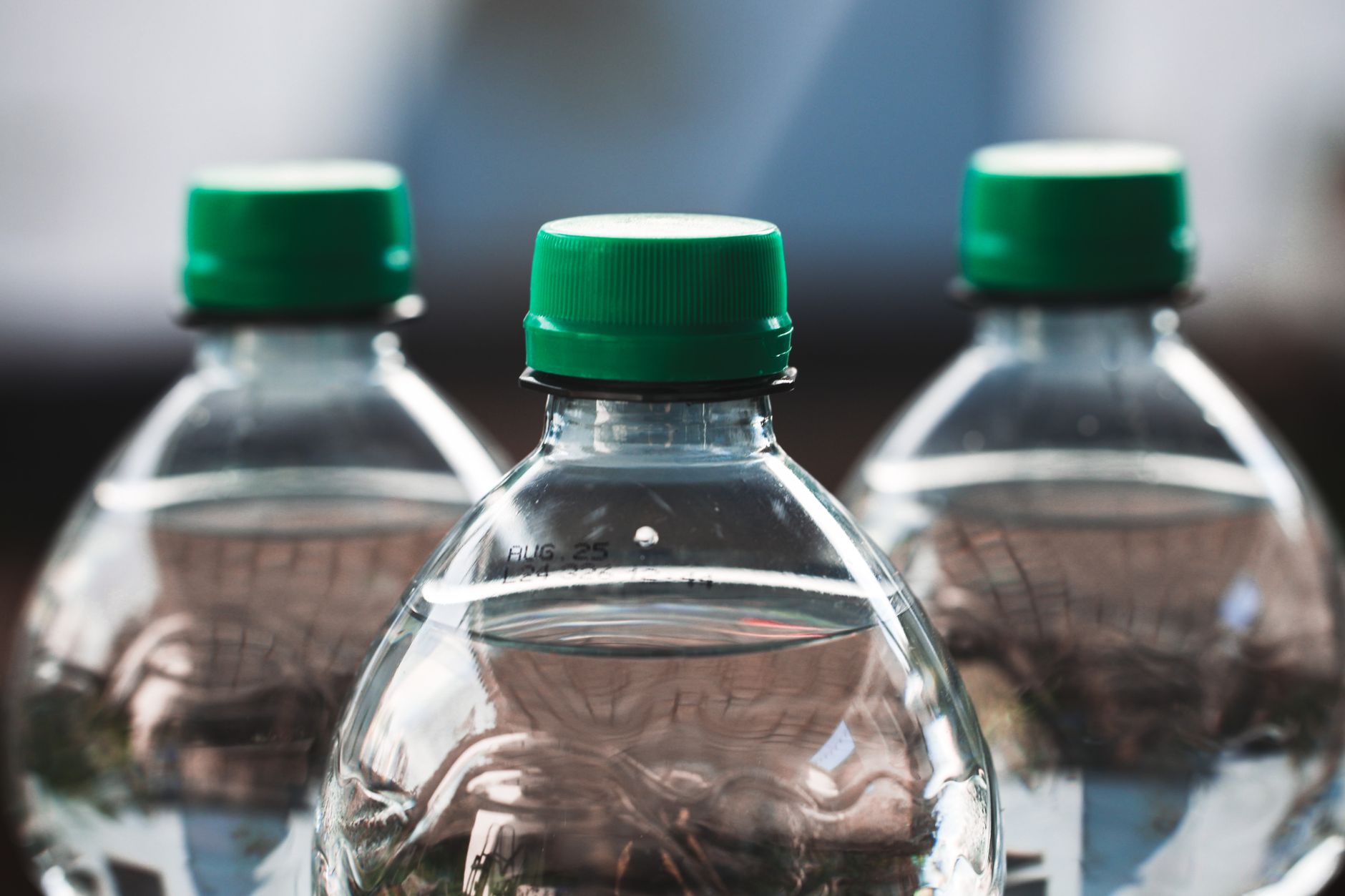
When it comes to hydration, bottled water is often a convenient choice. Dasani is one of the most popular bottled water brands available today, leading many to question its safety and health implications. In this article, we will explore whether Dasani is bad for you by taking a closer look at its ingredients, nutritional information, and some considerations regarding its environmental impact.
Understanding what Dasani is made of and how it compares to other types of bottled water can help you make an informed decision about whether to include it in your hydration routine. Let’s delve into the details.
Is Dasani Bad for You?
Dasani is not inherently bad for you. It is simply purified water that has added minerals for taste. While drinking Dasani is safe, concerns arise regarding plastic waste, potential chemical leaching, and its sourcing practices. Understanding these factors can better equip you in making choices about your hydration.
What is Dasani Water Made Of?
Dasani, manufactured by Coca-Cola, begins with municipal tap water, which undergoes purification through a process of reverse osmosis. This method effectively removes impurities, ensuring that the water is clean. After purification, minerals such as potassium chloride and magnesium sulfate are added back to give Dasani its distinct taste.
Ingredients Breakdown
- Purified Water: The primary ingredient that provides hydration.
- Potassium Chloride: An electrolyte mineral that can help maintain fluid balance in your body.
- Magnesium Sulfate: Another mineral that aids in hydration and contributes to taste.
- Flavor: While Dasani does not contain added sugars or artificial flavors, the added minerals affect flavor profile positively.
Nutritional Facts of Dasani
While water is calorie-free, it’s essential to examine how Dasani’s mineral content might influence your choices. Below is the nutritional information per serving of Dasani (500 mL):
| Nutrient | Amount per 500 mL |
|---|---|
| Calories | 0 |
| Total Fat | 0 g |
| Sodium | 0 mg |
| Total Carbohydrates | 0 g |
| Total Sugars | 0 g |
| Protein | 0 g |
The mineral content in Dasani does not contribute significantly to its nutritional value, but it can enhance the taste of the water, encouraging better hydration habits.
Are There Any Health Concerns with Drinking Dasani?
Despite being safe for consumption, some individuals raise concerns regarding bottled water, including Dasani. Here are some points to consider:
Plastic Bottles and Environmental Impact
One major concern is the environmental footprint of plastic bottles. While Dasani does offer recycled plastic bottles, the production and disposal of single-use plastics contribute to pollution and waterway contamination.
Chemical Leaching
Another common concern is the potential leaching of chemicals from plastic into the water, especially when bottles are exposed to heat or sunlight. Though the FDA regulates bottled water, some individuals prefer glass containers to avoid this issue.
How Does Dasani Compare to Other Bottled Waters?
Comparing Dasani with other bottled water options, such as sparkling water, mineral water, or spring water, can help consumers better understand their choices.
Spring Water vs. Purified Water
Spring water is sourced from natural springs and may retain more minerals compared to purified water like Dasani. This can affect the flavor and potential health benefits. On the other hand, Dasani’s rigorous purification process removes any contaminants, offering a clean and consistent taste.
Mineral Water
Mineral water contains naturally occurring minerals and offers certain health benefits. Dasani’s added minerals are formulated for taste but lack the same health claims as natural mineral waters.
Who Should Be Cautious About Drinking Dasani?
While Dasani is safe for most individuals, certain groups may need to exercise caution:
Individuals with Specific Sodium Restrictions
Those diagnosed with conditions that require sodium restriction should be aware of bottled water brands, as some may have added sodium. However, Dasani’s sodium content is effectively zero.
Environmental Advocates
Environmental concerns regarding single-use plastics may drive some individuals to choose alternatives to bottled water. Options like reusable containers and filtered tap water may be more appealing.
Practical Considerations for Hydration
Choosing Bottled Water Wisely
If you’re opting for bottled water, consider the following:
- Check for BPA-free or recycled plastic options to minimize environmental impact.
- Evaluate your hydration needs based on activity levels and climate.
- Consider refillable bottles to reduce waste.
Environmental Alternatives to Bottled Water
Here are some alternatives to bottled water that can contribute to a more sustainable lifestyle:
- Filtered Tap Water: Investing in a good water filter can make tap water safe and taste better.
- Stainless Steel or Glass Water Bottles: These materials help avoid chemical leaching and reduce plastic waste.
- Home Water Distillers: These devices can purify water at home and eliminate the need for bottled water altogether.
Conclusion
Dasani is not bad for you; rather, it is a clean, purified water option with added minerals for taste. However, its environmental implications, along with concerns regarding bottled water safety, merit consideration. Prioritizing sustainability and using alternatives like filtered water can align your hydration practices with environmental consciousness.
For further insights, you can explore topics such as what is the best bottled water to drink or find out if mayo is bad for you. Making informed decisions in hydration ultimately contributes to your health and the environment as a whole.