
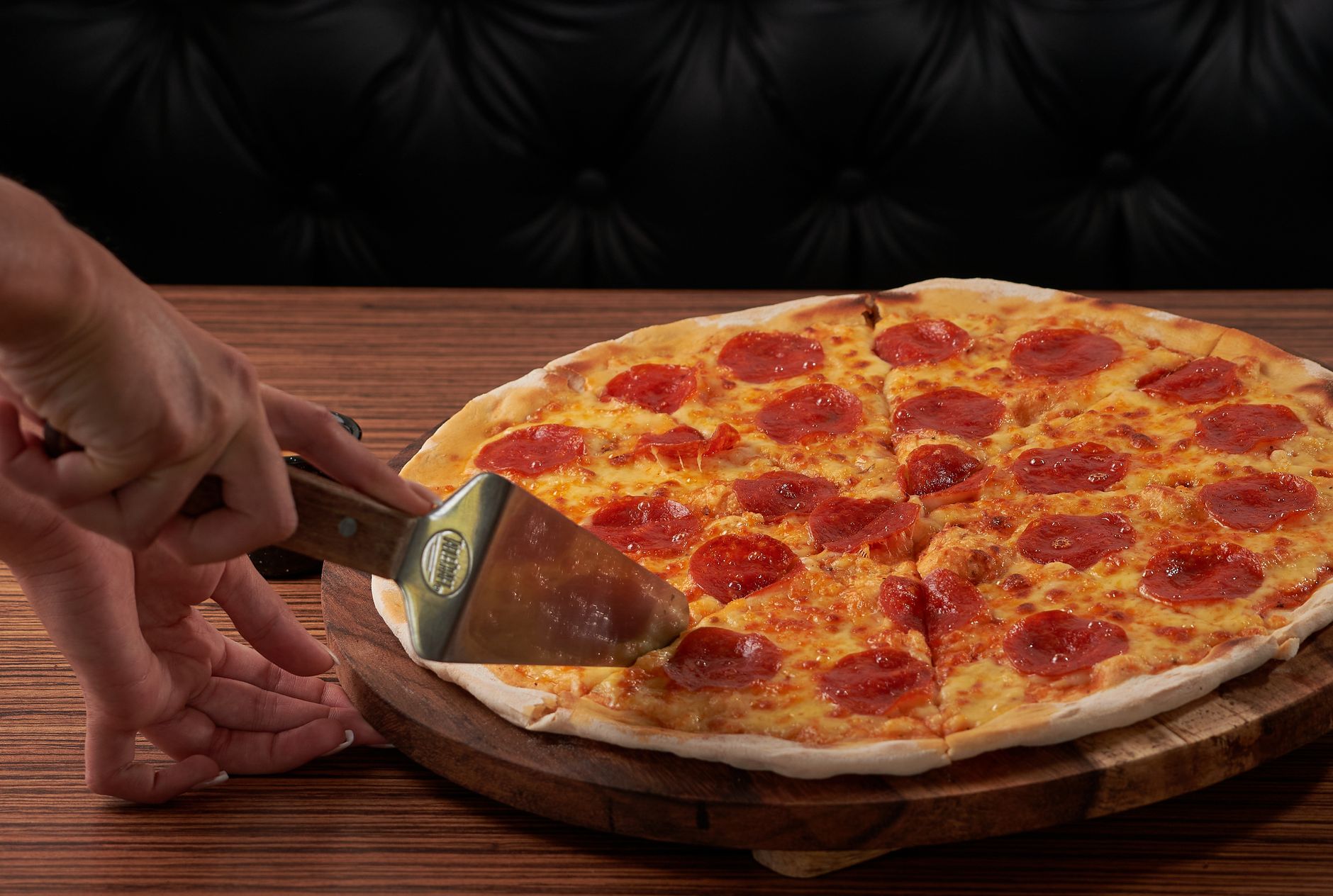
When planning a meal or gathering, knowing how much food to prepare can be challenging. A large pizza is a popular choice for parties, gatherings, and family dinners, but understanding how much it feeds can help you avoid waste or running out of food. This guide dives into the portions, menu prices, and considerations for calculating how many people a large pizza can satisfy.
Each pizza place may vary slightly in their definition of “large,” but generally, a large pizza typically measures around 14 to 16 inches in diameter. With a variety of topping options and crust styles, understanding how much a large pizza can feed will enhance your meal planning and ensure your guests leave satisfied.
How Much Does a Large Pizza Feed?
A large pizza usually feeds about 3 to 5 people, depending on several key factors. These include the number of slices the pizza is cut into, how hungry your guests are, and whether other food items will accompany the meal. Understanding these variables can help you make informed decisions when ordering or baking large pizzas.
Understanding Pizza Sizes and Slices
Most pizzerias cut large pizzas into 8 slices. The actual portion per person can change based on the following considerations:
- Hunger Levels: If your guests are particularly hungry, they may each eat 2 to 3 slices, reducing the number of people a pizza can serve.
- Additional Foods: If you’re offering side dishes like salads, wings, or desserts, guests may eat fewer slices of pizza.
- Appetite Variability: Adults typically eat more than children, so the number of adults at your gathering can affect how far a pizza goes.
- Topping Choices: Heavier pizzas loaded with toppings might fill guests up faster than a basic cheese pizza.
Menu Prices and Types of Large Pizzas
Pricing for large pizzas can vary significantly based on several factors such as geography, brand, and ingredients. Here’s a general overview of what to expect:
Types of Pizzas
- Cheese Pizza: A standard cheese pizza is usually the most economical. Prices can range from $10 to $15 for a large.
- Pepperoni Pizza: Adding a popular topping like pepperoni may increase the price slightly, typically from $12 to $18.
- Specialty Pizzas: These can be significantly more expensive, ranging from $15 to $25 based on exclusive toppings and gourmet ingredients.
Prices also change depending on promotions, local preferences, and extra charges for specialty items and crust styles. Understanding typical prices in your area can aid in meal planning budgets.
Calculating How Many Pizzas You Need
To determine how many pizzas to order or prepare, consider the following steps:
- Assess Your Guest List: Count the number of adults and children attending to estimate how many slices each person might eat.
- Estimate Slices per Person: For adults, aim for 2 to 3 slices; for children, 1 to 2 slices.
- Do the Math: Add up the total slices needed based on your estimations. Then, divide this number by the number of slices per pizza. For example, if you have 10 adults and expect them to eat an average of 2.5 slices each:
- Total slices needed = 10 adults x 2.5 slices/adult = 25 slices.
- Number of pizzas required = 25 slices / 8 slices per pizza = 3.125 pizzas.
In this case, you would round up to 4 pizzas to ensure everyone is satisfied.
Common Mistakes to Avoid
When calculating how much pizza to order, several mistakes can lead to overordering or underordering. Here are some common missteps:
- Ignoring Extras: Don’t forget to account for sides or appetizers, which may reduce the amount of pizza people will eat.
- Not Considering Guests’ Preferences: Take into account dietary restrictions and preferences, as varied topping choices may lead to uneven slice consumption.
- Being Overzealous with Portions: Be cautious in assuming everyone will eat the maximum number of slices; adjust your calculations based on your guest list.
Pizza Variety and Portion Control
When ordering pizzas, consider getting a variety of types and toppings. Not only does this cater to different tastes, but it may also help control portion sizes. Here are some ideas to achieve balanced variety:
- Diverse Toppings: Choose different types of pizzas for variety—some classic cheese and pepperoni, a vegetarian option, and perhaps a barbecue chicken or meat-lovers pizza.
- Different Sizes: Depending on the party size, mix and match large pizzas with smaller sizes to accommodate varying appetites.
- Slice Sharing Technique: Encourage guests to share slices to create a communal dining experience, allowing people to enjoy different flavors.
Leftover Pizza Storage and Reheating
If you find yourself with leftover pizza, proper storage and reheating techniques can help maintain its flavor and texture.
Storage Tips
- Let the pizza cool to room temperature before storing.
- Store slices in an airtight container or wrap tightly in aluminum foil or plastic wrap.
- Leftover pizza can be stored in the refrigerator for 3 to 4 days.
Reheating Methods
To reheat pizza while retaining its crispiness, consider the following methods:
- Oven Method: Preheat the oven to 375°F (190°C). Place the pizza on a baking sheet or directly on the oven rack and heat for about 10 minutes.
- Skillet Method: Heat a skillet on medium heat. Add the pizza slice and cover with a lid. Heat for about 5 to 8 minutes, allowing the bottom to become crispy while the cheese warms up.
- Microwave Method: Although convenient, using the microwave may result in a soggy crust. To combat this, place a cup of water in the microwave with the slice to maintain moisture balance.
Alternatives to Pizza for Large Gatherings
If you’re looking for something different or want to cut down on pizza costs, there are many alternatives that can also serve large groups:
- Pasta Dishes: Baked ziti or lasagna can feed a crowd and are often filling and cost-effective.
- Sandwich Platters: A variety of sandwiches with deli meats, cheeses, and veggies can satisfy a range of palates.
- Make-Your-Own Tacos or Burritos: Setting up a taco bar allows guests to customize their meal while making it a fun, interactive dining experience.
Dietary Considerations and Pizza Options
For those with dietary restrictions, many pizzerias offer alternatives such as gluten-free crusts or vegan cheese. Consider the following when ordering:
- Gluten-Free Options: Many restaurants now provide gluten-free crusts, although they may be smaller in size.
- Vegan Cheese: Look for establishments offering plant-based cheese alternatives or a plethora of vegetable toppings to accommodate vegan diets.
- Dairy-Free Options: For those sensitive to dairy, inquire if they have options without cheese or can substitute with alternatives.
Meal Planning and Budgeting for Pizza Nights
To create an effective pizza night that works within your budget, consider these strategies:
- Bulk Orders: Many pizzerias offer discounts for bulk orders—consider placing a larger order for events.
- Order in Advance: Planning your pizza night days in advance can allow you to explore offers and discounts available at local pizzerias.
- Homemade Pizzas: If you have time and interest, making pizza at home can save money while also customizing your toppings and styles.
Conclusion
A large pizza generally feeds approximately 3 to 5 people, depending on various factors such as guest size, appetite, and accompanying dishes. By understanding serving sizes, pricing, and storage methods, individuals can better plan their pizza meals, ensuring everyone is satisfied without overspending or wasting food.
To maximize your pizza night experience, consider experimenting with different recipes and unique toppings, and don’t hesitate to explore our related food guides on meal planning or baking pizza dough!
Explore more about how many pizzas for 40 people or check out our Sicilian pizza dough recipe for additional meal planning tips.