
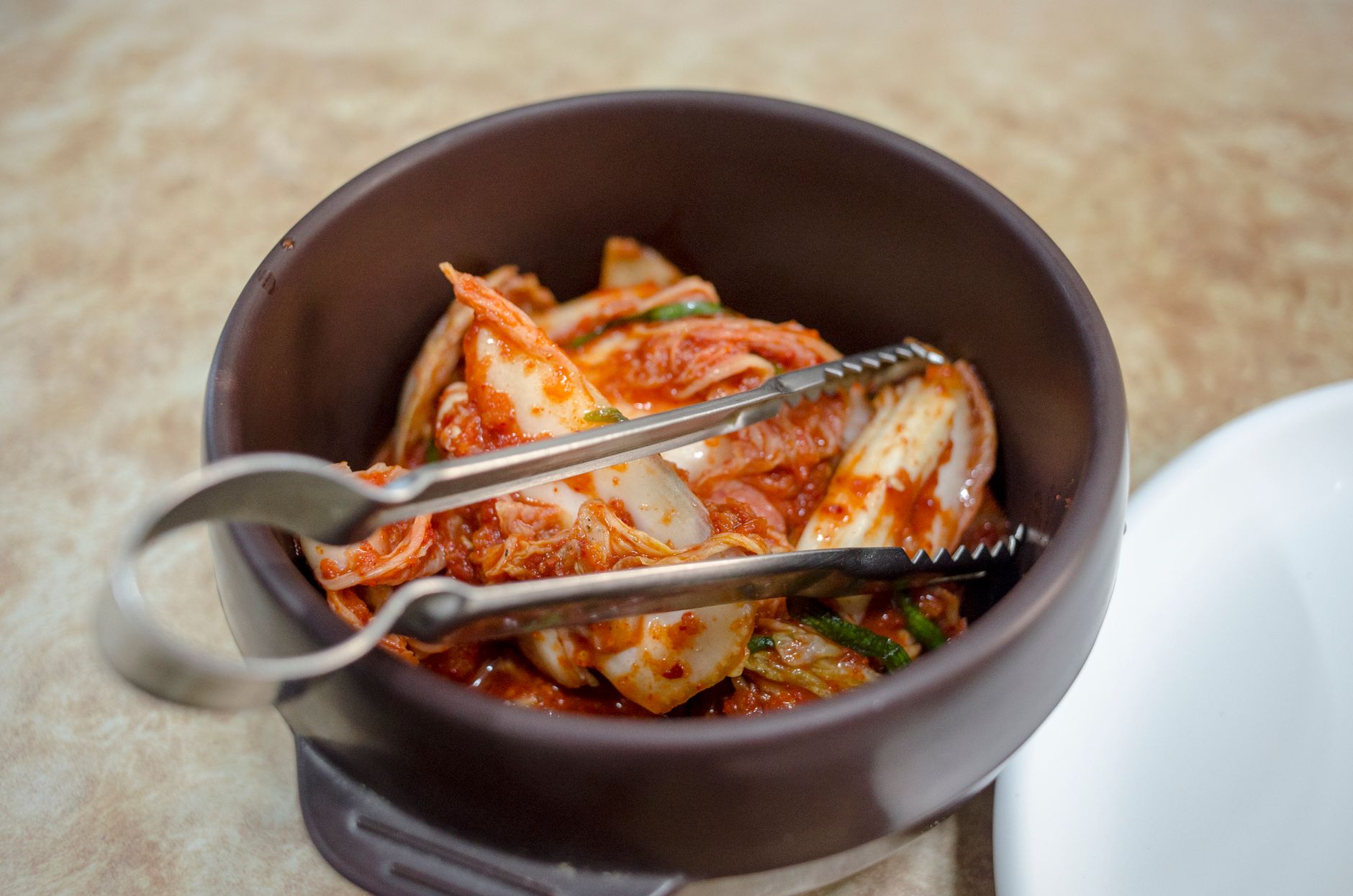
Kimchi is a traditional Korean dish made primarily from fermented vegetables, especially napa cabbage and radishes, seasoned with various spices. The savory, tangy flavor profile and unique crunch make it a popular ingredient in many dishes or a side on its own. Aside from its culinary appeal, many people are curious about kimchi’s nutritional content, particularly its calorie count.
This guide will explore how many calories are in kimchi, considering various serving sizes and types, along with its nutritional benefits, ingredients, and tips for inclusion in a balanced diet.
How Many Calories in Kimchi?
The average calorie count in one serving (about 100 grams) of kimchi is approximately 20 to 30 calories. This low-calorie count makes kimchi a nutrient-dense option rich in vitamins, minerals, and probiotics. However, the exact number of calories can vary based on the specific ingredients used and the fermentation process.
Nutritional Profile of Kimchi
To fully understand the significance of kimchi as a food choice, it’s essential to look beyond just calories to its broader nutritional profile. Kimchi is rich in vitamins A, B, and C, along with dietary fiber. Additionally, it provides probiotics that can be beneficial for digestive health.
General Nutritional Breakdown (per 100 grams of kimchi)
- Calories: 20-30
- Protein: 1-2 grams
- Carbohydrates: 4-5 grams
- Fat: 0-1 gram
- Dietary Fiber: 1-2 grams
- Sodium: Approximately 500-800 mg (varies significantly based on preparation)
- Vitamins: High in vitamins A, C, E, and K
Why Add Kimchi to Your Diet?
Aside from its low-calorie content, incorporating kimchi into your meals offers various health benefits. Due to its fermentation process, it is a fantastic source of probiotics, which promote gut health and enhance digestion. The varied ingredients also contribute to its status as a superfood, offering antioxidant properties and potentially aiding in immune system function.
Low-Calorie Snack and Meal Enhancer
Kimchi can be an excellent option for those looking to add flavor without significantly increasing calorie intake. From side dishes to toppings on rice bowls, or even as an ingredient in soups and stews, its versatility allows it to enhance many meals.
Types of Kimchi and Their Caloric Content
Kimchi comes in many varieties, each with a distinctive flavor and nutrient profile. Here are some popular types and their approximate caloric breakdown:
1. Baechu Kimchi (Napa Cabbage Kimchi)
This is the most traditional and widely known type of kimchi. Generally, baechu kimchi contains about 20-25 calories per 100 grams. It incorporates napa cabbage, radishes, garlic, ginger, and chili pepper flakes, contributing not only to its flavor but also to its health benefits.
2. Kkakdugi (Cubed Radish Kimchi)
Kkadugi is made using diced radish, which is crisp and slightly crunchy. It usually contains around 20 calories per 100 grams. The fermentation enhances the sweetness of the radish, providing a unique flavor profile that pairs well with rich meats and soups.
3. Oi Sobagi (Cucumber Kimchi)
This refreshing variety features cucumbers and is often consumed during the summer. Oi Sobagi contains a similar caloric amount as the others, typically around 15-20 calories per 100 grams due to its higher water content.
4. Chonggak Kimchi (Young Radish Kimchi)
Chonggak kimchi is made with young radishes, known for their unique shape and flavor. It typically has around 25-30 calories per 100 grams, depending on the amount of salt and seasoning used.
Serving Sizes and Portions
Understanding portion sizes for kimchi is essential for tracking caloric intake. While individual serving suggestions may vary, a typical serving of kimchi ranges from 50 to 100 grams. Here’s how that translates into calorie counts:
| Serving Size (grams) | Approximate Calories |
|---|---|
| 50g | 10-15 calories |
| 100g | 20-30 calories |
How to Use Kimchi in Meals
Incorporating kimchi into meals is easy due to its robust flavor and adaptability. Here are some common ways to enjoy kimchi:
- As a Side Dish: Serve alongside grilled meats, rice, or noodles to enhance the meal’s flavor.
- In Soups: Add to stews or soups like Kimchi Jjigae, which uses kimchi as a key ingredient.
- In Tacos: Use kimchi as a topping for tacos to introduce a delightful twist.
- On Pizza: Integrate kimchi into pizza for a unique flavor infusion.
- Mixed in Fried Rice: Stir-fry with rice and vegetables for a quick and easy meal.
Buying and Storing Kimchi
Kimchi can be purchased pre-made from grocery stores or made at home. If buying store-bought, check for high-quality kimchi with natural fermentation and minimal preservatives.
Storage Tips
To maximize freshness and flavor:
- Keep unopened kimchi in the refrigerator.
- Once opened, consume it within 1-2 months for the best flavor.
- Always use a clean utensil to avoid contamination.
Common Mistakes When Making Kimchi
Making kimchi at home can be fun, but it comes with its challenges. Here are some common pitfalls:
- Not Using Enough Salt: Salt is crucial for proper fermentation. Insufficient salting can lead to spoilage rather than fermentation.
- Ignoring the Fermentation Time: Each batch of kimchi will ferment differently. It’s essential to taste it over a few days to find the desired flavor.
- Using Non-Fermenting Ingredients: Avoid adding ingredients that don’t ferment well alongside traditional kimchi ingredients.
Potential Health Concerns
While kimchi offers numerous health benefits, there are some considerations:
- Sodium Content: Kimchi can be high in sodium due to the salting process, which could be a concern for individuals monitoring their sodium intake.
- Food Sensitivities: Some people may have sensitivities to fermented foods.
Conclusion
Kimchi is a flavorful, low-calorie food that adds versatility and depth to many meals. With its rich historical roots and numerous health benefits, it’s a worthy addition to any diet. Understanding how to incorporate kimchi into meals can enhance your culinary experience while keeping caloric intake in check.
Explore more about food’s nutritional aspects by checking out how many calories are in pho or trying a coconut milk chia pudding recipe for a delightful dessert.