
When we think of astronauts in space, visions of floating in zero gravity might come to mind, but what about the food they eat? Astronauts’ meals are critical for maintaining health and performance during space missions. Understanding their diet reveals fascinating innovations and adaptations made for living and working in space.
This article explores what food astronauts eat, how it’s prepared, the unique packaging technologies involved, and the nutritional considerations that inform their meals.
What Food Do Astronauts Eat In Space?
Astronauts consume a carefully designed diet comprising dehydrated and thermostabilized meals, snacks, and drinks. Their food options are tailored for space, considering shelf life, nutrition, and ease of consumption in a weightless environment.
Types of Food Packaged for Space Travel
The food astronauts eat is categorized into several types:
- Thermostabilized Foods: These are heat-processed to destroy microorganisms and enzymes that could spoil food. They are often vacuum-sealed and can be eaten hot or cold.
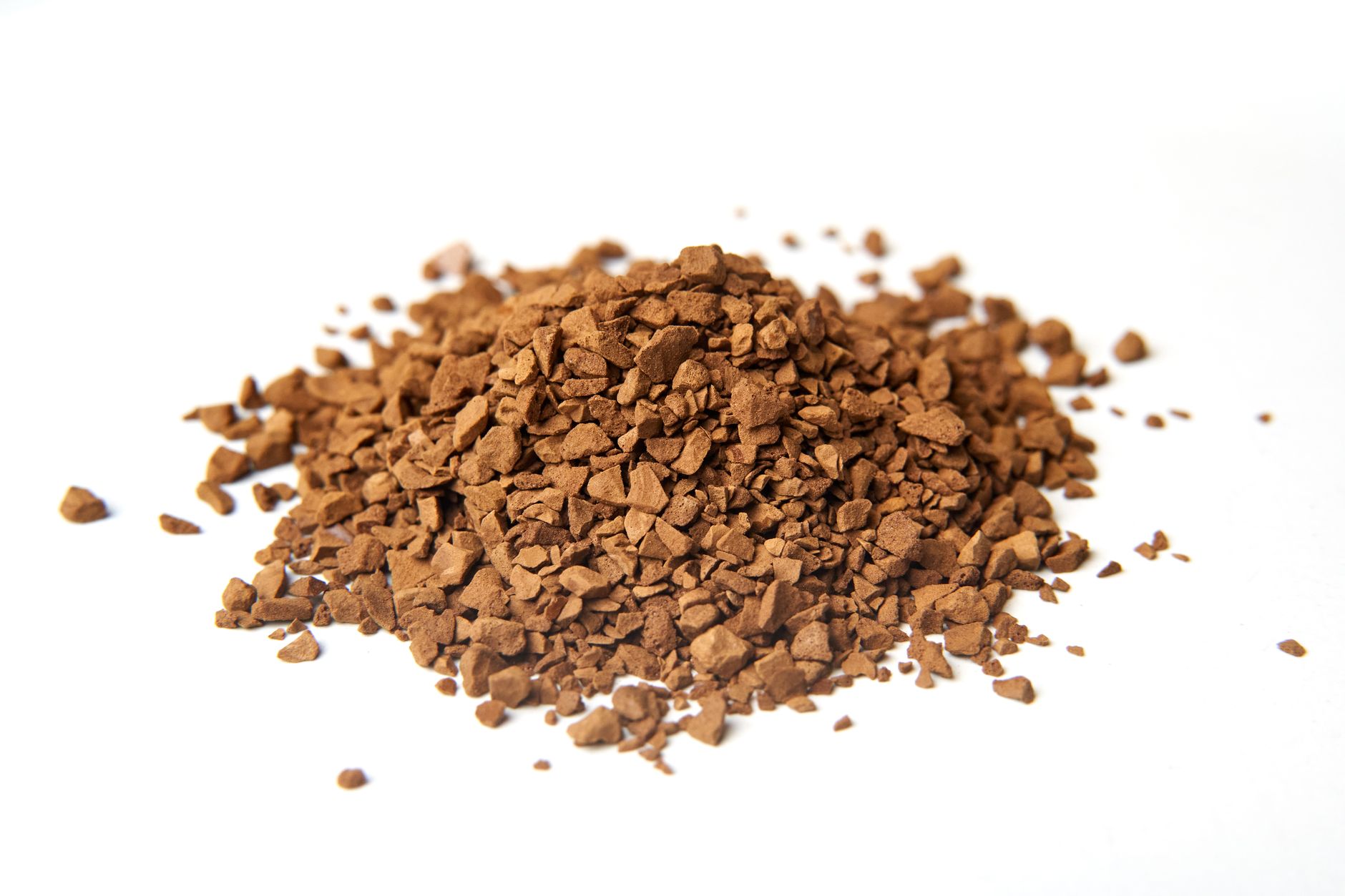
- Dehydrated Foods: Removing moisture from food helps extend its shelf life. Astronauts add water to these foods before eating to rehydrate them.
- Fresh Foods: These include fruits and vegetables. Their availability is limited due to the short shelf life, but they are included on some missions.
- Snacks: A variety of snacks like nuts, granola bars, and candies provide quick energy boosts during long missions.
- Beverages: Drinks come in special packaging that prevents spilling and often require water for preparation. Common options include coffee, tea, juices, and electrolyte drinks.
Food Preparation Techniques for Space
Preparation in space is different from cooking on Earth. Here’s how astronauts manage their meals:
Heating Food
To heat meals, astronauts use a special food warmer that doesn’t rely on an open flame. Microwave technology is adapted to work in a zero-gravity environment, ensuring that meals are heated evenly.
Rehydration
Dehydrated foods are rehydrated using a water-filled pouch. The astronaut squeezes the pouch to add water, lets it sit for a specified time, and then eats from the pouch. This method ensures minimal cleanup.
Eating in Microgravity
In a weightless environment, food can float away if not secured properly. Astronauts use magnetic trays, utensils with Velcro, and double-sealed pouches for open foods to prevent scattering. This careful planning makes mealtime more enjoyable.
Nutritional Considerations for Astronauts
Maintaining optimal nutrition is vital for astronauts. Their meals are designed to provide:
- Caloric Needs: Astronauts expend more calories in space due to increased activity levels, so their meals are energy-dense.
- Balanced Macronutrients: A good mix of carbohydrates, proteins, and fats is essential for energy and muscle maintenance.
- Vitamins and Minerals: Adequate micronutrient intake supports immune function and overall health. Supplements are often included in their diet.
- Hydration: Staying hydrated in space is equally important. Astronauts drink flavored water and electrolyte drinks to ensure proper fluid balance.
Menu Examples for Astronauts
Here are some sample meals that astronauts might consume during a mission:
Breakfast
- Scrambled Eggs with Spinach: Rehydrated scrambled eggs prepared with water and spinach for added nutrients.
- Granola with Milk Powder: A crunchy breakfast paired with rehydrated milk, providing both carbohydrates and protein.
- Fruit Cups: Fresh fruits like apples or oranges for a refreshing start.
Lunch
- Chicken Curry: Thermostabilized chicken curry served with rehydrated rice.
- Tortilla Wraps: Tortillas filled with peanut butter or other spreads for easy handling and no crumbs.
- Vegetable Soup: Dehydrated mixed vegetable soup that is easy to prepare.
Dinner
- Beef Stroganoff: Thermostabilized beef stroganoff, served hot over rehydrated noodles.
- Quinoa Salad: A nutritious quinoa salad with dehydrated vegetables added for bulk.
- Chocolate Pudding: A popular dessert option that can be made by adding water to a powdered mix.
Snacks and Treats
- Trail Mix: A blend of nuts, dried fruits, and chocolate for energy between meals.
- Cookies: Pre-packaged cookies that help satisfy the sweet cravings during missions.
- Crisps: Lightly salted corn or potato crisps are popular snack items.
How Food Packaging Works in Space
Packaging is not just about protection. It’s also scientifically designed to ensure longevity, ease of use, and safety. Here are some key aspects:
Packaging Materials
Food packaging for space missions uses materials that meet strict safety and longevity standards. These include:
- Mylar Bags: Lightweight and moisture-proof, ensuring food remains fresh.
- High-Barrier Foils: These prevent oxygen and light from spoiling the food.
- Pouches with Zippers: Allow for resealing and easy access to the food while reducing mess.
Portion Control
Meals are pre-portioned to help astronauts control caloric intake. Packaging also includes serving sizes, cooking instructions, and nutritional information to ensure proper dietary management.
Challenges and Innovations in Space Food
Providing food for long-duration missions is fraught with challenges that require innovative solutions:
- Weight Limitations: Every ounce counts, and food must be both lightweight and nutrient-dense.
- Microbial Growth: The closed environment of space can lead to an increase in certain pathogens, making it vital that food is safe for consumption.
- Sustainability: Future missions plan to incorporate growing food in space, such as using hydroponics systems, encouraging self-sufficiency during long missions.
The Future of Space Food
The concept of space food is constantly evolving. Here are some trends that are shaping the way astronauts will eat in the future:
3D Printing Food
3D food printing technology is being explored as a way to personalize meals based on astronauts’ preferences, using nutrient-rich powders to create customized dishes.
Growing Food in Space
Experimentation with growing fresh produce in space holds promise. Advancements in hydroponic systems and plant growth technologies could allow astronauts to cultivate some of their food, reducing dependency on pre-packaged options.
Flavor and Variety Improvements
Future food options aim to enhance flavor and variety, reducing the monotony that can accompany long-term space missions. Chefs and food scientists are collaborating to create appealing meals.
Conclusion
The food astronauts eat in space is a fascinating blend of nutritional science, innovative technology, and practical considerations. From carefully selected meals to advanced packaging solutions, every aspect of space food is designed to support health and morale during missions. As space travel continues to develop, so too will the ways we think about and approach food in the cosmos.
Explore more about preparing unique dishes with our Chia Pudding Recipe. Learn about food storage with our guide on How Long Do Beans Last in the Fridge. Discover more related recipes and food guides!