
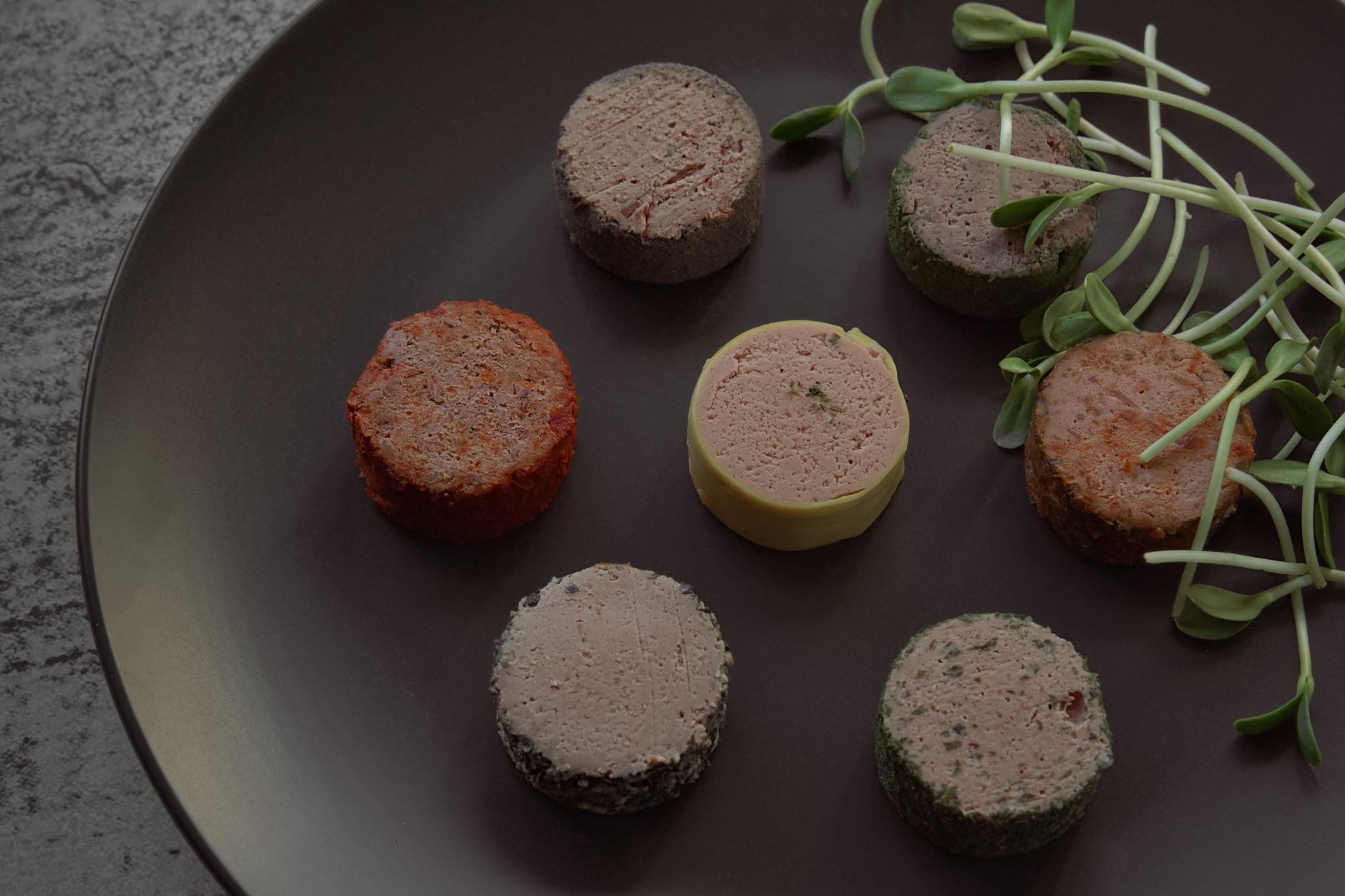
Pâté is a rich, flavorful spread made primarily from ground meat, liver, or vegetables, often mixed with spices and herbs. Originating from French cuisine, it has become a popular delicacy in many culinary traditions. With its creamy texture and complex flavor, pâté can serve as an appetizer, a sandwich filling, or a gourmet addition to a cheese board.
Understanding pâté is essential for home cooks and food enthusiasts alike, as it opens a world of gourmet possibilities. From classic liver pâté to vegetarian variations, there’s a pâté to suit every palate and occasion.
What Is Pâté?
Pâté is a spreadable paste made from a variety of ingredients, predominantly meats or vegetables, that are finely ground or pureed. It can be served hot or cold, depending on the type. Its appeal lies in its luxurious texture and versatility, making it a favorite in many culinary traditions.
Ingredients of Pâté
The ingredients in pâté can vary widely depending on the type, but here are the essential components commonly found in various recipes:
- Base Ingredients: Most pâtés are made from meat (such as chicken, duck, pork, or beef) or liver (often from duck or chicken). These ingredients provide the rich flavor and texture characteristic of pâté.
- Fat: To keep the pâté moist and help create a creamy texture, fat such as butter, cream, or meat fat is often added.
- Seasonings: A range of spices, herbs, and aromatics (like garlic, onion, or thyme) enhance the flavor. Salt and pepper are essential for balancing the taste.
- Binders: In some recipes, eggs or breadcrumbs help to bind the mixture together and add richness.
- Liquids: Some pâtés may include wine, stock, or brandy, which adds depth and complexity to the flavor.
Flavor Profile of Pâté
The flavor of pâté can range from intensely savory to slightly sweet, depending on the specific ingredients used. Here are some key flavors to expect:
- Umami: Meaty ingredients offer rich umami notes that contribute to a satisfying taste experience.
- Herbaceous: Fresh herbs like thyme, parsley, and tarragon can add brightness and an aromatic quality.
- Earthy: Some pâtés, especially those made from liver or mushrooms, carry earthy notes that enhance their depth.
- Richness: The inclusion of fats, cream, and often alcohol creates a luxurious mouthfeel that adds to the overall experience.
Types of Pâté
While there are numerous variations of pâté, they can generally be categorized into a few main types:
1. Pâté de Campagne
This rustic country-style pâté is made with coarsely ground meats, often combined with herbs and spices. It is typically baked in a terrine and may include ingredients such as nuts or dried fruit. Its texture is chunky and hearty, perfect for spreading on crusty bread.
2. Pâté en Croûte
Pâté en croûte, meaning “pâté in a crust,” is encased in pastry, adding a flaky texture. This dish often features a mixture of meats and spices wrapped in a savory pie crust, making it an impressive centerpiece for any meal.
3. Pâté Maison
This is a homemade version of pâte, which can include various meats, liver, or even seafood. It’s generally smoother than pâté de campagne and is often served chilled as a spread.
4. Vegetarian and Vegan Pâté
Vegetarians and vegans can enjoy pâté made from ingredients like lentils, beans, nuts, or vegetables. Common flavorings include herbs, spices, and even roasted garlic to replicate the savory flavors found in traditional meat-based pâté.
How to Serve Pâté
Pâté is a versatile dish that can be served in various ways. Here are some popular serving suggestions:
- On Toast or Bread: Spread pâté on toasted slices of baguette, crackers, or rustic bread for an elegant appetizer.
- With Accompaniments: Serve pâté with pickles, relishes, or fruit preserves to complement its rich flavors. Mustards or chutneys can also add an interesting contrast.
- As Part of a Charcuterie Board: Include pâté alongside different cheeses, cured meats, and olives to create a sophisticated charcuterie board.
- In Sandwiches: Use pâté as a spread in sandwiches for a deliciously rich filling; it can be combined with lettuce or other fresh vegetables for added crunch.
- With Wine: Pair pâté with red wines for a robust flavor contrast, or white wines if serving a chicken or vegetable pâté.
How to Make a Basic Pâté
Making pâté at home can be a rewarding experience. This recipe will guide you through the process of creating a basic chicken liver pâté, perfect for beginners.
Yield and Timing
- Yield: About 2 cups of pâté
- Preparation Time: 15 minutes
- Cooking Time: 20 minutes
- Total Time: 35 minutes
Ingredients
- 1 pound chicken livers, cleaned and trimmed
- 1 small onion, finely chopped
- 3 cloves garlic, minced
- 1/2 cup butter, divided
- 1 teaspoon fresh thyme (or 1/2 teaspoon dried thyme)
- 1/4 cup brandy (optional)
- Salt and pepper, to taste
- 1 tablespoon heavy cream (optional, for extra creaminess)
Essential Equipment
- Skillet or frying pan
- Food processor or blender
- Mixing bowl
- Spatula or wooden spoon
- Storage container (like a terrine or airtight jar)
Step-by-Step Method
- In a skillet, melt 1/4 cup of butter over medium heat. Add the chopped onion and sauté until translucent, about 5 minutes.
- Add the minced garlic and cook for an additional minute until fragrant.
- Increase the heat to medium-high and add the cleaned chicken livers to the skillet. Sear the livers for about 5 minutes on each side until they are browned but still slightly pink inside.
- If using, carefully add the brandy to deglaze the pan, scraping up any flavorful bits stuck to the bottom. Allow it to simmer for a few minutes until the alcohol evaporates.
- Remove the skillet from the heat and add thyme, salt, and pepper. Let the mixture cool slightly.
- Transfer the liver mixture to a food processor. Add the remaining butter (cut into pieces) and blend until smooth. For extra creaminess, add the heavy cream. Taste and adjust seasoning as desired.
- Transfer the pâté to a storage container. Smooth the top and cover with plastic wrap or a lid. Refrigerate for at least several hours, preferably overnight, to set.
Common Mistakes to Avoid
When making pâté, there are a few common pitfalls to be aware of:
- Overcooking the Livers: Keep an eye on the cooking time; overcooked livers can become grainy and dry.
- Not Seasoning Enough: Proper seasoning is crucial for flavor; always taste your mixture before it sets.
- Skipping the Resting Time: Allowing the pâté to chill overnight helps develop the flavors and firm up the texture.
Storage and Reheating
Pâté can be stored in the refrigerator for about one week when properly covered. For longer storage, you can freeze it for up to three months. If freezing, store it in an airtight container and defrost in the refrigerator before use. Reheat gently if desired, but most pâtés are best served cold or at room temperature.
Variations and Substitutions
There are many ways to play with the basic pâté recipe, allowing for creativity in the kitchen. Here are some popular variations and substitutions:
- Meat Substitutions: Use other types of liver, such as duck or pork, or even blend in cooked bacon for added flavor.
- Vegetarian Pâté: Replace the meat with blended beans or lentils, and other vegetables like roasted mushrooms or sun-dried tomatoes.
- Flavor Enhancements: Experiment with spices like paprika, curry powder, or even smoked sea salt for unique flavor profiles.
- Herb Variations: Swap out thyme for rosemary, basil, or chives to complement your main ingredients.
- Acidity: Add a splash of lemon juice or vinegar to balance the richness and brighten the flavors.
Exploring Regional Variations of Pâté
While French cuisine is most closely associated with pâté, other cultures offer their take on similar spreads:
- Italian Pâté (Pâté Toscano): Often made with pork and flavored with wild herbs, this variation is coarser in texture.
- Spanish Paté: Known as “paté de aceituna” or olive pâté, it typically features olives and other Mediterranean ingredients.
- Russian Pâté (Kholodets): This unique dish combines meat with gelatin and is served as a cold terrine, often with pickled vegetables.
Conclusion
Pâté is a luxurious addition to any culinary repertoire, offering a rich blend of flavors and textures. Whether you prefer classic liver pâté or a modern vegetarian version, the versatility of pâté makes it an exceptional dish for gatherings, charcuterie boards, or simply treating yourself to something delightful. Experimenting with different ingredients and flavors allows you to create a unique pâté that reflects your taste.
To discover more about cooking techniques, ingredient guides, or meal-planning tips, explore our related articles. You’ll find resources to enhance your cooking skills and broaden your culinary knowledge.