
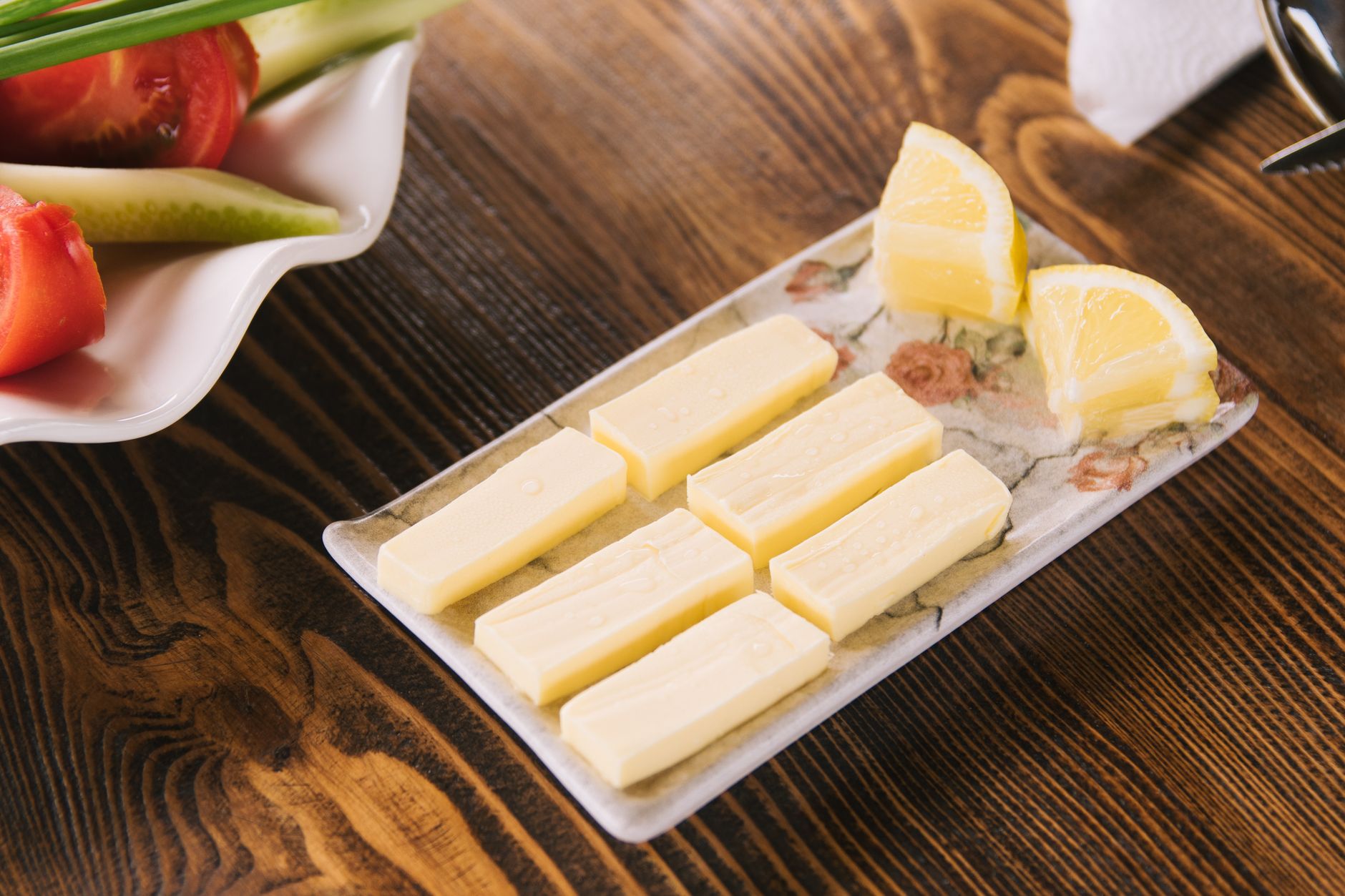
Butter is a versatile ingredient used in numerous recipes, and understanding how to measure it accurately is crucial for achieving the desired flavor and texture in your cooking and baking. One common question home cooks often ask is how many tablespoons are in a stick of butter. This article provides the answer and additional insights into butter measurements, conversions, and practical applications in the kitchen.
Typically, one stick of butter contains 8 tablespoons. However, this measurement can vary based on the type of butter and region. Knowing the equivalent tablespoon measurements can save time and effort in the kitchen, especially when following a recipe that doesn’t specify measurements clearly. Let’s delve into butter measurement details and explore its culinary uses.
How Many Tablespoons Is in a Stick of Butter?
To directly answer the question, one standard stick of butter weighs 4 ounces or 113 grams and contains 8 tablespoons. This holds true for most packaged butter in the United States, where sticks of butter are commonly sold. Additionally, it’s important to note that European-style butters may have different weights and serving sizes, but for American recipes, you can rely on the 8-tablespoon equivalency.
Understanding Butter Measurements
The weight and volume of butter are important in baking and cooking due to their impact on the final product. Knowing how to properly measure butter will help you create consistent results. Here’s a closer look at standard butter sizes and their measurements:
- 1 stick of butter = 8 tablespoons = 4 ounces = 113 grams
- 1 cup of butter = 2 sticks = 16 tablespoons = 8 ounces = 227 grams
- ½ stick of butter = 4 tablespoons = 2 ounces = 57 grams
These conversions are essential when scaling recipes up or down, allowing you to maintain proper measurements without any miscalculations. If a recipe calls for an arbitrary number of tablespoons of butter, you can easily convert it to sticks using the information above.
Why Butter Measurements Matter
Accurate measurements are essential in both cooking and baking. In baking especially, the balance of ingredients can mean the difference between a successful loaf of bread or a failed cake. Butter affects the texture, moisture, and flavor of baked goods, making correct measurements vital. Here’s why:
- Texture: The right amount of butter determines how flaky, dense, or light a pastry or cake will be.
- Moisture: Butter adds moisture to baked goods, contributing to a rich flavor and tenderness.
- Flavor: Butter provides a distinct flavor profile that enhances dishes, especially in baked items like cookies and cakes.
Practical Uses for Butter in Cooking and Baking
Now that you understand how many tablespoons are in a stick of butter, let’s explore some practical applications of butter in the kitchen, along with guidance on usage and other forms of butter:
Baking
Butter is a key ingredient in baking, and using the proper amounts can significantly influence the outcome. Common baked goods that rely heavily on butter include:
- Cookies: Butter contributes to a chewy texture and rich flavor.
- Cakes: It helps create a moist crumb and adds richness.
- Pastries: Flaky and tender textures are achieved by properly measuring butter.
When baking, it’s essential to measure butter at the right temperature. Cold butter may be needed for flaky crusts, while softened butter is often required for creaming methods in cakes.
Sautéing and Cooking
Butter is also a great choice for sautéing vegetables or proteins. Here are some points to remember:
- Use unsalted butter if you want to control the salt levels in your dish.
- Butter provides a nice browning effect and flavor during the cooking process.
- Combine butter with oil to raise the smoke point, preventing burning.
Types of Butter and Their Measurements
While the standard measurements apply to typical sticks of butter, other types and formats exist. Here are some common options:
- Unsalted Butter: The most common type, ideal for baking and cooking.
- Salted Butter: Contains added salt; best for spreads and cooking.
- European-Style Butter: Higher fat content; different stick sizes might apply.
When substituting between types of butter, adjust the salt levels in your recipe accordingly, especially if using salted butter instead of unsalted.
Converting Butter Measurements
Conversions and substitutions can make cooking and baking smoother. If you need to adjust the quantity of butter based on your recipe, the following table offers quick conversions:
| Measurement | Equivalent in Sticks | Equivalent in Tablespoons |
|---|---|---|
| 1 stick | 1 | 8 |
| ½ stick | 0.5 | 4 |
| 1 cup | 2 | 16 |
| ¼ cup | 1/2 | 4 |
Common Substitutions for Butter
In some cases, you might want or need to substitute butter in your cooking. Here are some common alternatives, along with their equivalencies:
- Margarine: Used as a direct substitute; same measurements apply (1:1 ratio).
- Coconut Oil: Can replace butter in equal amounts (1:1 ratio) but will alter the flavor and texture.
- Applesauce: A healthier option in baking; use ½ the amount of butter indicated (1:2 ratio).
- Greek Yogurt: Great for baking; use ½ the amount of butter indicated (1:2 ratio).
Each substitute will affect the flavor and texture of your dish differently, so make adjustments depending on the recipe.
Common Mistakes When Measuring Butter
Even with accurate information, cooks can still fall into pitfalls. Here are common mistakes to avoid:
- Not Softening Properly: Many recipes require softened butter; be sure to leave it out ahead of time to reach the right texture.
- Ignoring Weight: If accuracy is critical, consider weighing your butter instead of measuring it by volume.
- Assuming All Butter is Equal: Different brands and styles can vary in salt and fat content; adjust accordingly.
Serving Suggestions for Butter
Butter can also be used in various finished dishes. Here are some serving ideas:
- Spreads: Use butter mixed with herbs, garlic, or spices on bread or rolls.
- Basting: Brush melted butter on grilled meats and vegetables for added flavor.
- As a Sauce: Combine butter with citrus or wine to create a simple sauce for fish or chicken.
Storing Butter for Freshness
Proper storage is crucial to maintain the quality and freshness of your butter. Here are some best practices:
- Refrigeration: Store butter in the refrigerator, tightly wrapped to prevent odor absorption.
- Freezing: Butter can be frozen for longer storage; cut it into usable portions first.
- Avoiding Contamination: Always use a clean knife when cutting butter to enhance its shelf life.
Conclusion
Now you should have a comprehensive understanding of how many tablespoons are in a stick of butter, as well as practical measurements, types, applications, and tips for successful cooking and baking. Accurate butter measurements can significantly enhance your culinary endeavors, ensuring you create delightful and flavorful dishes every time. With this newfound knowledge, you’re ready to tackle your next recipe with confidence!
For more insights into cooking and baking, explore our collection of cooking and baking recipes or check out our guide on making clarified butter.