
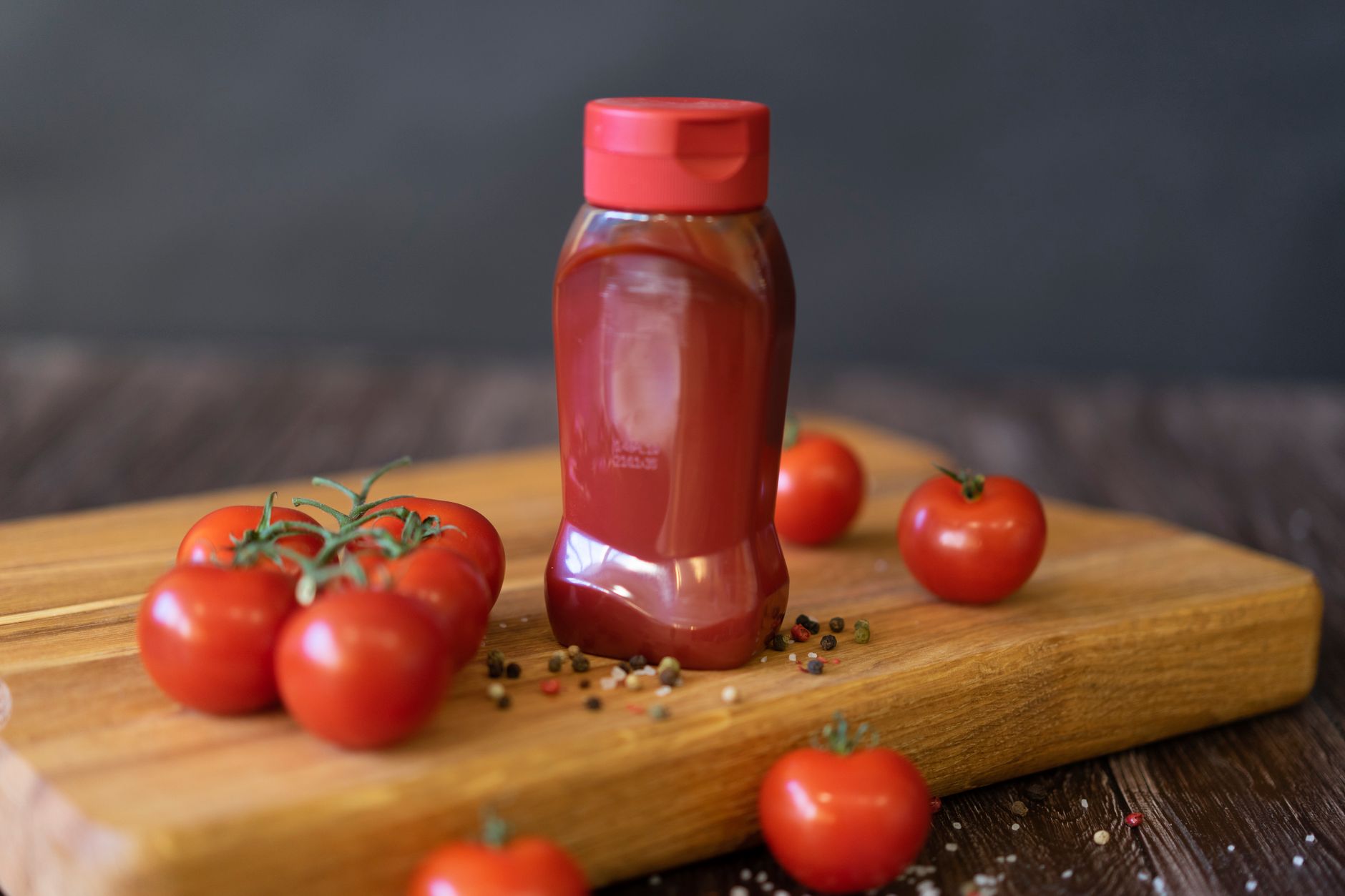
Ketchup is one of the most popular condiments worldwide, known for its tangy flavor and versatility. It enhances dishes from fries and burgers to salads and sandwiches. However, once you open a bottle, a common question arises: does ketchup need to be refrigerated after opening?
Storing ketchup properly can affect its flavor, texture, and safety. This guide will explore the necessity of refrigeration after opening, the science behind it, and best practices for storing ketchup, so you can make informed choices in your kitchen.
Does Ketchup Need to Be Refrigerated After Opening?
Yes, ketchup does benefit from refrigeration after opening. While it can safely be stored at room temperature for a limited time, refrigeration helps maintain its quality, flavor, and freshness longer, typically up to six months after opening.
Understanding Ketchup Composition
To appreciate the storage requirements of ketchup, it’s essential to understand its composition. Ketchup primarily consists of tomatoes, vinegar, sugar, and various spices. Each of these ingredients contributes to its flavor and preservation. Here’s how:
- Tomatoes: The main ingredient, providing the rich flavor.
- Vinegar: Acts as a natural preservative due to its acidity, lowering pH levels and inhibiting the growth of harmful bacteria.
- Sugar: Adds sweetness and helps preserve by preventing moisture loss.
- Spices: Enhance flavor and may contribute some antimicrobial properties.
These components make ketchup relatively safe to store at room temperature for short periods. However, let’s delve deeper into the implications of refrigeration.
The Science of Ketchup Storage
The question of whether to refrigerate ketchup comes down to the balance of flavor, quality, and safety. When kept at room temperature, ketchup can undergo various changes:
Effects of Room Temperature Storage
- Flavor Degradation: Over time, exposure to air and light can lead to oxidation, altering the taste.
- Texture Changes: Room temperature can also affect the consistency, making ketchup more watery or altering its thickness.
- Bacterial Growth: While ketchup’s acidic nature inhibits most bacteria, leaving it unrefrigerated for extended periods can still invite unwanted growth.
These factors may not be immediately apparent but can affect your enjoyment of the condiment.
Optimal Storage Conditions
- Refrigeration: After opening, storing ketchup in the refrigerator keeps it fresh longer and preserves its flavor and texture.
- Sealing: Always ensure that the cap is tightly sealed after use to minimize air exposure.
- Temperature Stability: Keeping ketchup away from direct light and heat sources, such as the stovetop, prevents quality degradation.
By maintaining these conditions, you can extend the life of your ketchup significantly.
Ketchup Shelf Life Guidelines
Understanding the shelf life of ketchup can help you decide its best storage practices. Here are some guidelines:
- Unopened Bottles: An unopened bottle of ketchup can last for over a year past the best-by date if stored in a cool, dark place.
- Opened Bottles: Once opened, it can last about six months in the refrigerator, though it might remain safe beyond that if it shows no signs of spoilage.
- Signs of Spoilage: Watch for changes in color, consistency, or smell. If you notice mold or an off-putting odor, it’s best to discard the ketchup.
These guidelines will help you keep track of your ketchup’s usability.
How to Store Ketchup Properly
Storing ketchup properly ensures the best flavor and safety. Here’s a step-by-step guide:
- Keep it Sealed: Always replace the cap tightly after use.
- Refrigerate it: Place opened ketchup in the refrigerator if you plan to use it over several weeks.
- Avoid Contamination: Use clean utensils when serving ketchup to avoid introducing bacteria.
- Check Expiry Dates: Monitor the best-by dates on store-bought ketchup bottles.
- Consider Portion Size: If you rarely use ketchup, consider buying smaller bottles to reduce waste.
These practices can help maximize freshness and minimize the risk of spoilage.
Frequently Asked Questions About Ketchup Storage
Can ketchup be stored in the pantry after opening?
Yes, ketchup can be stored in the pantry after opening, but it is not recommended for long-term storage. To maintain its quality, it is best to refrigerate it.
What happens if I don’t refrigerate ketchup?
If ketchup is not refrigerated after opening, it can lose flavor and texture and may become unsafe to consume over time.
Does ketchup need to be warmed before serving?
Ketchup does not need to be warmed before serving. However, some prefer it at room temperature, so letting it sit out for a short time might enhance the flavor.
Is homemade ketchup different regarding storage?
Yes, homemade ketchup may not have the same preservatives as store-bought varieties and typically requires refrigeration right after making, as it tends to spoil faster.
Creative Uses for Ketchup Beyond Condiment
Beyond its traditional use, ketchup can be a versatile ingredient in various recipes. Here are some creative uses to enhance your culinary adventures with this condiment:
Marinades and Glazes
Ketchup works wonderfully as a base for marinades and glazes. Its acidity helps tenderize meats, while the sweetness caramelizes when cooked. Combine it with soy sauce, garlic, and chili for robust flavor.
BBQ Sauce Base
Many BBQ sauces start with ketchup as a base. Mix ketchup with vinegar, brown sugar, spices, and a hint of mustard to create a homemade BBQ sauce perfect for grilling.
Dressings and Dips
Add ketchup to your salad dressings or mix it with mayonnaise and a splash of lemon for a quick dip. The versatility of ketchup can elevate simple recipes.
Storing Ketchup Alternatives
If you like variety in your condiments, consider the following alternatives and how they should be stored:
- Mustard: Refrigeration is recommended after opening, as it can last up to a year if properly stored.
- Hot Sauce: Most hot sauces can be stored at room temperature for months but refrigerating them can maintain flavor and quality.
- Chili Sauce: Similar to ketchup, once opened, chili sauce should generally be refrigerated for best results.
These alternatives also benefit from proper storage to maximize their lifespan and flavor.
Conclusion
To ensure the best experience with ketchup, refrigerating it after opening is strongly advised. This simple step helps you maintain its flavor, texture, and overall quality for months. Take note of best practices for storage and shelf life to keep your favorite condiment fresh and delightful.
For further culinary inspiration, explore guides on whether to refrigerate Cholula at this link, or learn about the shelf life of cottage cheese after opening at this link.