
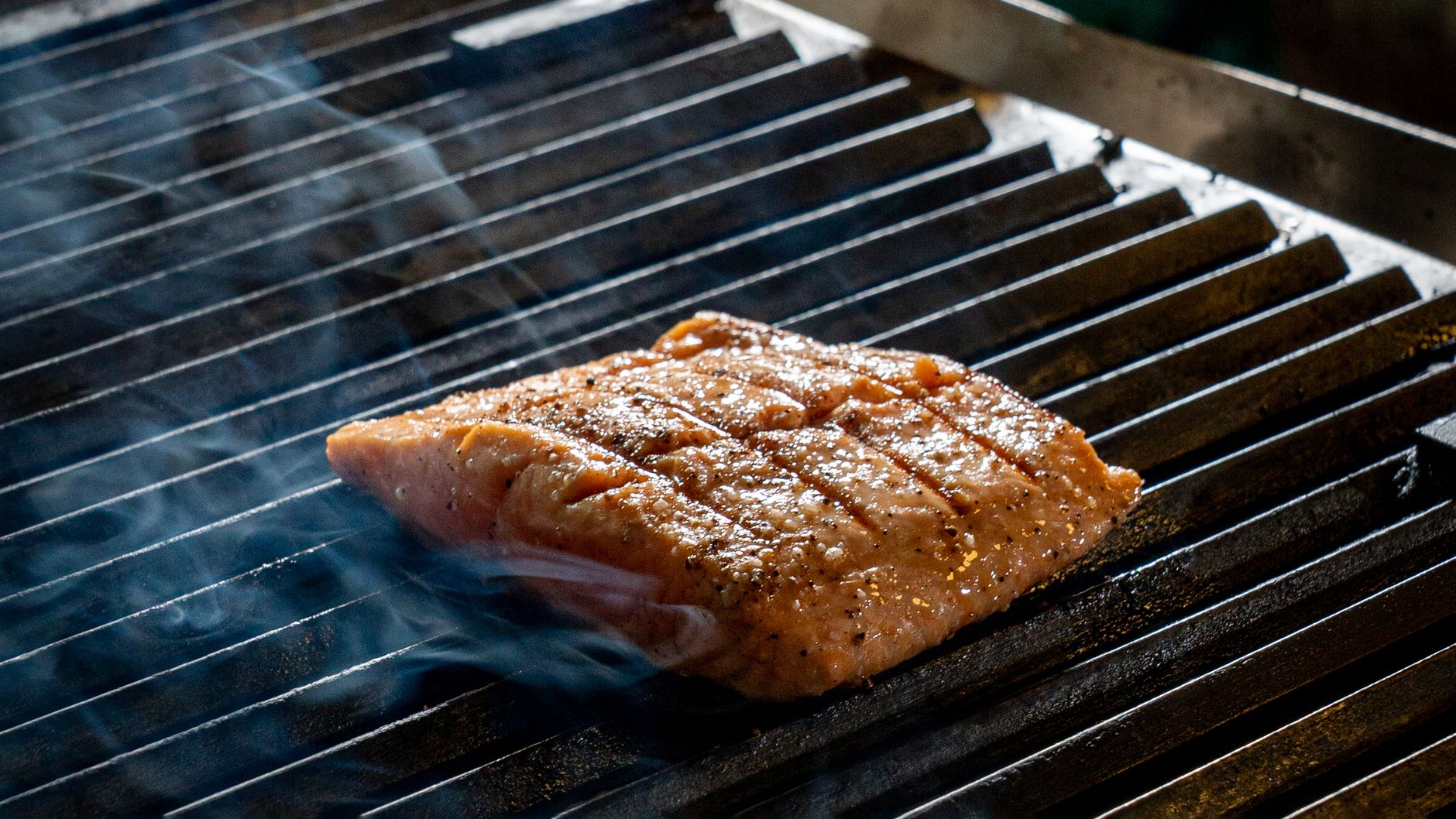
Cooking salmon to perfection is a skill that many home cooks aspire to master. Whether it’s pan-seared, grilled, baked, or poached, knowing how long to cook salmon is crucial to achieving the ideal texture and flavor profile. This guide provides essential cooking times and helpful doneness checks to ensure you serve delicious salmon every time.
Salmon is not only sought after for its rich flavor and buttery texture but also for its health benefits. Packed with omega-3 fatty acids, protein, and essential vitamins, salmon makes for a nutritious meal option. With the right cooking technique and timing, you can enhance its natural taste and keep it moist and succulent.
Salmon How Long to Cook?
The cooking time for salmon generally depends on the cooking method used and the thickness of the fillet. As a rule of thumb, cook salmon at 375°F (190°C) for around 10 minutes per inch of thickness. For example, a 1-inch thick fillet will take approximately 10 to 15 minutes to cook through. Additionally, different methods such as grilling, roasting, and poaching may slightly alter this time. Checking for doneness, rather than relying solely on time, is essential for achieving perfect results.
Cooking Methods for Salmon
Salmon can be prepared in various ways, each resulting in unique flavors and textures. Below are some popular cooking methods along with their respective cooking times and guidelines.
1. Baking Salmon
Baking salmon is a straightforward method that delivers consistent results. The even heat distribution of the oven ensures that salmon cooks through without drying out.
- Temperature: Preheat the oven to 375°F (190°C).
- Cooking Time: Generally, cook for 10 to 15 minutes per inch of thickness. A typical 1-inch fillet will take about 12 to 15 minutes.
- Check for Doneness: The salmon should flake easily with a fork and reach an internal temperature of 145°F (63°C).
2. Grilling Salmon
Grilling gives salmon a delicious smoky flavor and crispy skin, making it a favorite among outdoor cooks.
- Temperature: Preheat the grill to medium-high heat (around 400°F or 204°C).
- Cooking Time: Grill salmon for 6 to 8 minutes per side. For thicker fillets, adjust the time accordingly.
- Check for Doneness: Use a fork to test if it flakes easily and reach an internal temperature of 145°F (63°C).
3. Pan-Seared Salmon
Pan-searing results in a beautifully caramelized exterior while keeping the inside moist and tender.
- Temperature: Heat a skillet over medium-high heat and add oil.
- Cooking Time: Cook salmon for 4 to 5 minutes per side, depending on the thickness. A 1-inch fillet typically takes 8 to 10 minutes total.
- Check for Doneness: The surface should be golden brown, and the internal temperature should be 145°F (63°C).
4. Poaching Salmon
Poaching is a gentle cooking method that helps retain moisture, making it an ideal technique for delicate salmon fillets.
- Temperature: Bring water or broth to a gentle simmer (around 170°F or 77°C).
- Cooking Time: Poach for 10 to 15 minutes, depending on thickness.
- Check for Doneness: Salmon should be opaque and flake easily with a fork when fully cooked.
Tips for Cooking Salmon
While the above methods provide a solid foundation for cooking salmon, here are some additional tips to enhance your cooking experience:
- Choose Fresh Salmon: Look for vibrant, shiny skin and firm flesh. Fresh salmon should smell mild, not fishy.
- Use a Meat Thermometer: Investing in a good meat thermometer is essential for accurately checking doneness. Aim for an internal temperature of 145°F (63°C).
- Rest Before Serving: Allow cooked salmon to rest for a few minutes before serving. This lets the juices redistribute, making for a more flavorful bite.
- Season Well: Simple seasonings, such as salt, pepper, lemon juice, and herbs, can elevate the flavor profile without overpowering the fish.
- Don’t Overcook: Salmon can dry out quickly. Keep a close watch on cooking times and doneness checks to avoid this common mistake.
Different Cuts of Salmon and Their Cooking Times
Salmon comes in various cuts, and understanding how each cut affects cooking time can result in better outcomes. Here’s a breakdown:
- Salmon Fillet: A common cut, typically 1-inch thick. Cook for 10 to 15 minutes depending on the cooking method chosen.
- Salmon Steaks: Thicker cuts that include the backbone. Cook for 12 to 20 minutes, depending on thickness.
- Salmon Portions: Smaller individual servings that cook quickly; typically around 8 to 12 minutes.
- Whole Salmon: Perfect for special occasions. The cooking time varies significantly, generally taking 20 minutes per pound at 375°F (190°C).
How to Check Salmon Doneness
Checking doneness is critical to serving palatable salmon. Here are practical ways to assess whether salmon is fully cooked:
- Fork Test: Use a fork to gently flake the salmon. If it separates easily, it’s done.
- Color Check: Cooked salmon should appear opaque and pink, while raw salmon is translucent.
- Temperature Check: The most reliable method is using a meat thermometer. An internal temperature of 145°F (63°C) ensures safety and optimal doneness.
Common Mistakes to Avoid When Cooking Salmon
A few common blunders can lead to subpar salmon. Here are mistakes to watch out for:
- Cooking from Frozen: Always thaw salmon before cooking for the best texture and flavor.
- Skipping Marinating: A simple marinade can enhance flavor. Even 30 minutes can make a difference.
- Underseasoning: Salmon can handle bold flavors, so don’t be shy with seasoning.
- Using High Heat Throughout: Cooking too quickly can lead to burnt outsides and raw insides. Moderate heat is crucial for even cooking.
How to Store Cooked Salmon
If you find yourself with leftover salmon, proper storage is key to keeping it fresh and delicious.
- Refrigeration: Store cooked salmon in an airtight container in the refrigerator. Consume within 3 to 4 days for best taste.
- Freezing: Double-wrap salmon in plastic wrap and aluminum foil for freezing. It can last up to 2-3 months in the freezer.
- Reheating: To reheat, place salmon in a preheated oven at 275°F (135°C) for about 15 minutes. Alternatively, use the microwave in 30-second intervals at medium power until warmed through, taking care not to dry it out.
Creative Ways to Serve Salmon
Salmon pairs well with a variety of sides and flavors. Here are some creative serving ideas:
- On a Salad: Serve flaked salmon over a bed of mixed greens with fresh veggies, avocado, and lemon vinaigrette.
- In Tacos: Flake cooked salmon and serve in soft tortillas with cabbage slaw and a lime crema.
- With Grains: Pair salmon with quinoa, farro, or rice, and steamed or roasted vegetables for a balanced meal.
- In Pasta: Add salmon to pasta dishes with creamy or tomato-based sauces for a satisfying entree.
Salmon Cooking Timeline Table
| Cooking Method | Thickness of Salmon | Cooking Time |
|---|---|---|
| Baking | 1 inch | 12-15 minutes |
| Grilling | 1 inch | 6-8 minutes per side |
| Pan-Seared | 1 inch | 4-5 minutes per side |
| Poaching | 1 inch | 10-15 minutes |
| Whole Salmon | Per pound | 20 minutes |
Being mindful of the cooking techniques and times will help ensure your salmon dishes remain flavorful and avoid the disappointment of overcooking. With these guidelines, you can confidently prepare salmon to suit various occasions, from weeknight dinners to festive gatherings.
If you’re ready to elevate your cooking skills further, explore related recipes or guides to expand your culinary repertoire. Discover how to cook tilapia or learn about how long to cook meatloaf at 375°F to diversify your family meals.