
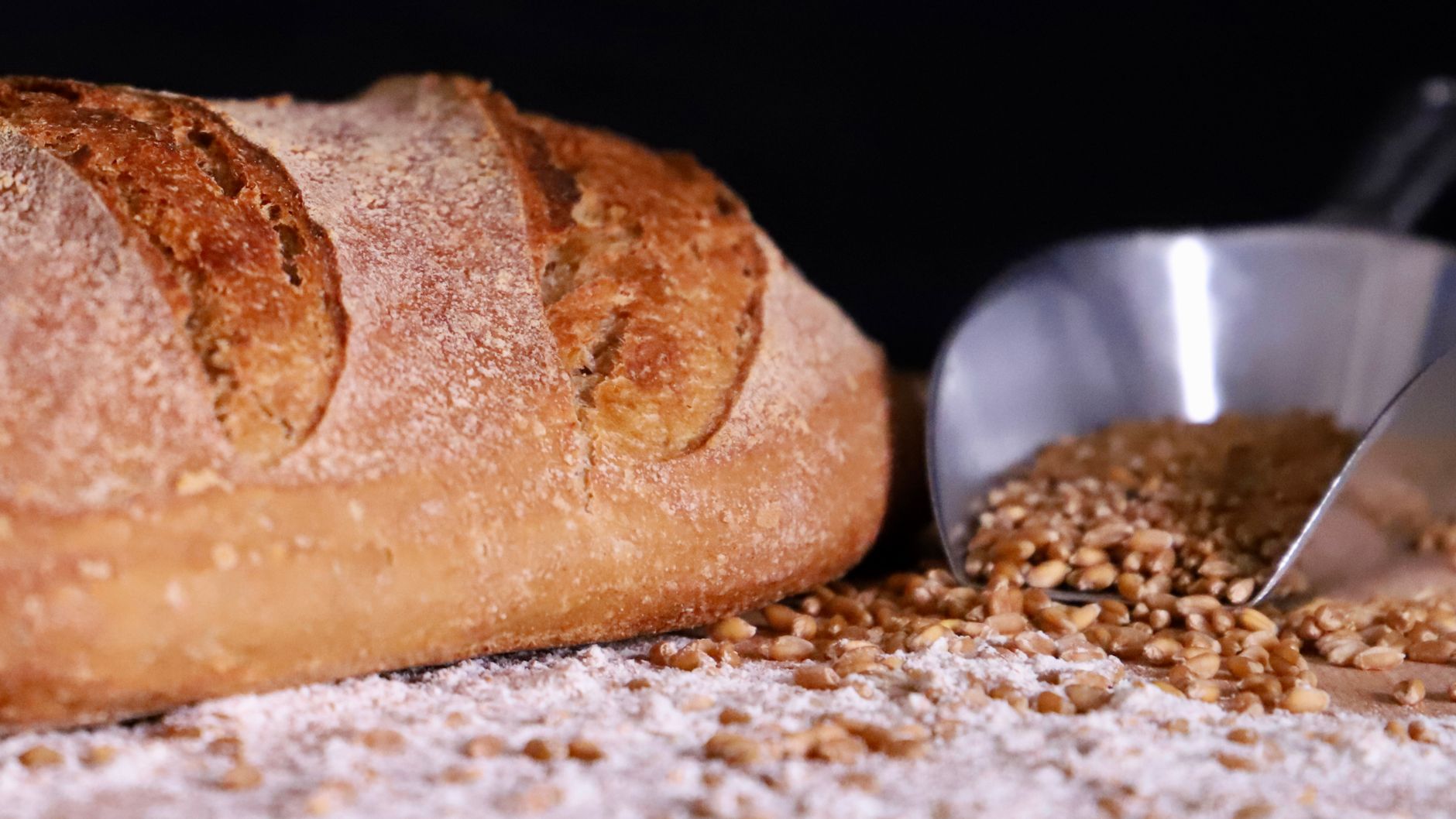
Sourdough bread is celebrated for its unique flavor profile and chewy texture. However, many people wonder whether it truly lives up to its name, specifically if it tastes sour. In this guide, we will explore the factors influencing the taste of sourdough bread, including the fermentation process, the role of sourdough starter, and how it compares to other types of bread.
We will also look closely at flavor notes, possible variations in sourness, and tips for making sourdough bread at home. Whether you are a baker or simply a bread enthusiast, understanding the nuances of sourdough can enhance your appreciation for this artisanal loaf.
Does Sourdough Bread Taste Sour?
Yes, sourdough bread can taste sour, but the level of sourness varies widely depending on several factors. It primarily depends on the fermentation time, the type of flour used, and the specific strains of yeast and bacteria in the sourdough starter. Some sourdough breads have a mild tang, while others are more pronounced in sour flavor.
It’s essential to recognize that the “sour” taste comes from lactic acid produced by lactic acid bacteria during fermentation. Let’s break down how these factors come together to shape the taste of sourdough bread.
The Fermentation Process
The fermentation process is what sets sourdough apart from other types of bread. Unlike bread made with commercial yeast, sourdough relies on wild yeast and natural bacteria that exist in the environment and in the flour itself. The fermentation process involves two stages: bulk fermentation and proofing.
Bulk Fermentation
During bulk fermentation, dough is mixed and allowed to rise. This stage is crucial for developing flavor. The longer you let the dough ferment, the more lactic acid bacteria can produce, which contributes to the sour flavor profile. Typically, bulk fermentation can last anywhere from 3 to 12 hours, depending on the ambient temperature and the specific recipe.
Proofing
The second fermentation, or proofing, occurs after the dough has been shaped. This is where the final flavor notes can develop. The proofing stage usually lasts 1 to 4 hours. Similar to bulk fermentation, a longer proofing time will typically result in a more pronounced tang. However, over-proofing can lead to a bread that lacks structure.
The Role of Sourdough Starter
The sourdough starter is a living culture, a mixture of flour and water that captures wild yeast and lactic acid bacteria. The specific ratio of yeast to bacteria, along with the hydration level of the starter, can significantly affect the sourness of the final bread.
Different starters yield different flavors. If you feed your starter frequently and keep it at warmer temperatures, it may produce more yeast with a milder flavor. On the other hand, a less frequently fed starter that ferments in cooler temperatures often develops a deeper sourness due to higher bacterial activity.
Choosing the Right Flour
The type of flour you use also influences the flavor of sourdough bread. Whole grain flours typically contain more nutrients, providing a better environment for bacteria to thrive. As a result, breads made with whole wheat or rye flour can have a more pronounced sour taste compared to those made with refined white flour.
Experimenting with different flour types—such as spelt, einkorn, or even gluten-free options—can yield a variety of flavors and textures in your sourdough. Keep in mind that these grain choices will affect both the taste and the crust color of the bread.
Variations in Sourdough Bread
The sourness of sourdough bread can also vary by region, baking style, and personal preference. Some bakeries craft loaves with a strong tang, while others prefer a more subtle flavor. Understanding these variations can enhance your bread-tasting experience.
Regional Differences
In France, for example, traditional country loaves may have a milder flavor, while San Francisco-style sourdough is known for its sharp tang, attributed to specific bacterial strains in the region’s environment. If you’re exploring sourdough from different countries, pay attention to how local practices influence flavor profiles.
Baking Styles
Bakers may choose to vary the thickness of their crust, which also impacts perceived sourness. A thicker, darker crust may lend a deeper flavor to the bread, while a lighter crust may yield a milder, sweeter note.
Tips for Making Sourdough Bread at Home
If you’re interested in creating your own sourdough bread, knowing how to control the sour factor is essential. Here are some practical tips:
- Adjust Fermentation Times: Experiment with both bulk fermentation and proofing times to achieve your desired sourness. Shorten fermentation for milder flavors and lengthen it for more pronounced sourness.
- Feed Your Starter: Regularly feeding your sourdough starter will keep it healthy and active. Consider how often you feed it based on your flavor preferences.
- Select Flour Wisely: Use a combination of flours for a unique flavor profile. Whole grain flours tend to create more complex, tangier bread.
- Use Temperature Control: Warmer temperatures speed up fermentation but can reduce sourness. For a tangy bread, consider fermenting in a cooler environment.
Common Mistakes When Baking Sourdough Bread
- Over-proofing: Allowing your dough to proof for too long can cause it to collapse and result in a dense loaf.
- Under-hydration: Insufficient water in the dough can lead to a dry bread with a lack of taste. Always measure your hydration levels carefully.
- Ignoring Temperature: Don’t forget about the temperature of your ingredients and environment. Too hot or too cold can adversely affect fermentation and flavor development.
Serving Suggestions for Sourdough Bread
- Breakfast: Toast slices of sourdough and top with avocado, eggs, or peanut butter for a hearty meal.
- Lunch: Use sourdough for sandwiches or bruschetta topped with fresh tomatoes, basil, and mozzarella.
- Dinner: Serve warm sourdough alongside soups and stews to soak up the flavors.
Storing Sourdough Bread
Proper storage is essential for maintaining the freshness of sourdough bread. Here are some tips:
- Room Temperature: Store bread in a paper bag or bread box at room temperature for up to three days. This helps maintain the crust’s quality.
- Freezing: For longer storage, freeze slices or whole loaves in freezer bags. Bread can last up to three months in the freezer. Thaw at room temperature and toast as needed.
Conclusion
For those interested in further exploring sourdough, check out our guides on how to make a sourdough baguette and our einkorn sourdough bread recipe for delicious variations. Explore these recipes and elevate your baking skills today!