
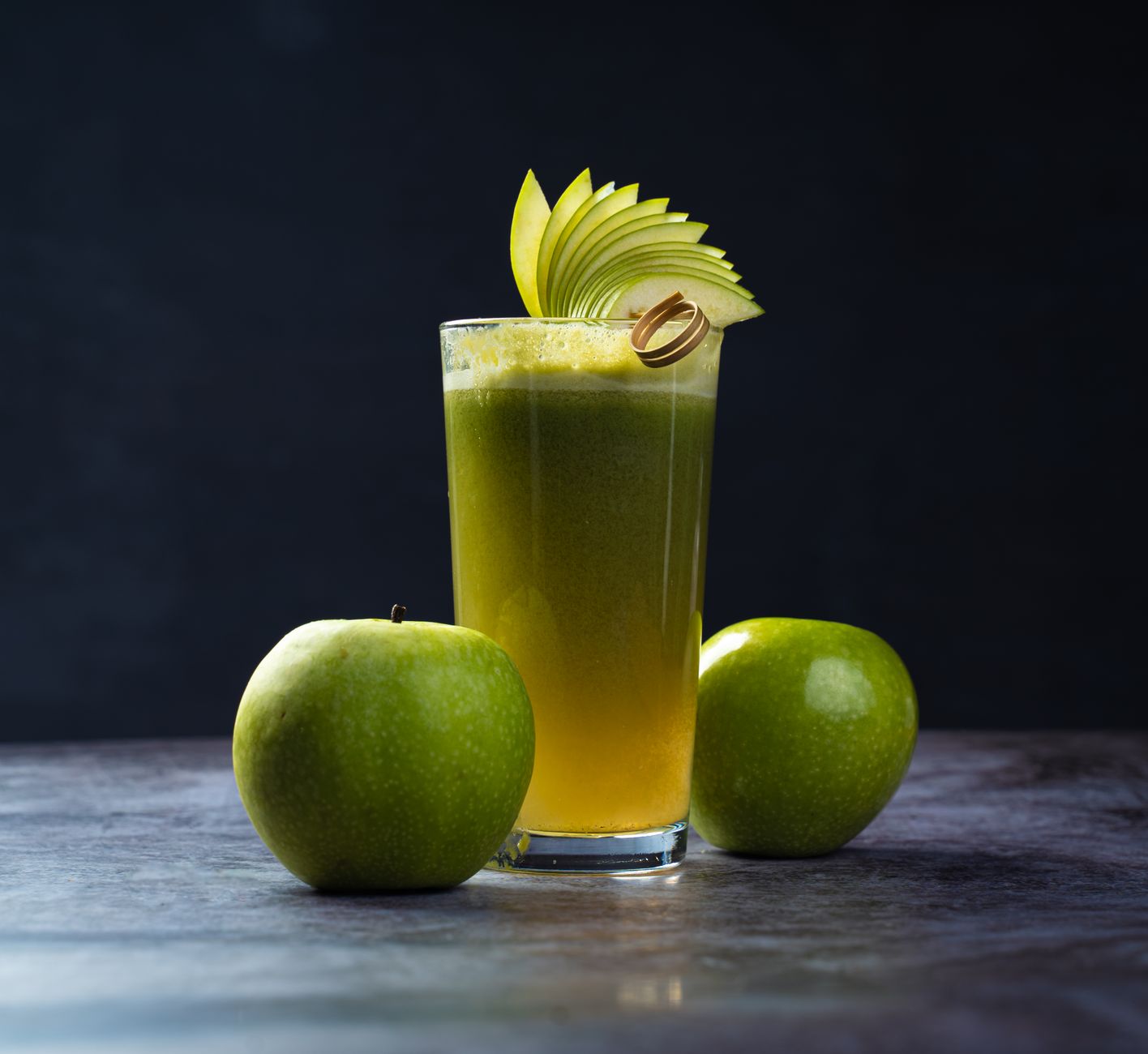
Apple juice is a popular beverage enjoyed for its refreshing taste and nutritional benefits. However, many consumers are curious about the sugar content in apple juice, especially amidst current discussions about sugar consumption. This article will explore how much sugar is found in apple juice, the implications of that sugar content, and how it compares to other beverages.
As we delve into the sugar content in different serving sizes of apple juice, we will also examine factors like the difference between 100% apple juice and apple juice cocktails, and how the processing of the juice can affect its sugar levels. Understanding these nuances can help you make informed choices about incorporating apple juice into your diet.
How Much Sugar in Apple Juice?
On average, a standard serving of 100% apple juice (about 8 ounces or 240 milliliters) contains approximately 24 grams of sugar. This sugar primarily comes from the natural sugars present in apples, such as fructose. However, when comparing apple juice with other beverages and its processed variants, the sugar content can vary significantly.
Understanding Sugar in Apple Juice
To better understand the sugar content in apple juice, it’s important to take a closer look at both the ingredients and the processing. Here are some key aspects to consider:
Naturally Occurring vs. Added Sugars
- Naturally Occurring Sugars: These are the sugars found in fruits, including apples. When you drink 100% apple juice, you are consuming the natural sugars derived from the fruit itself.
- Added Sugars: Many commercial apple juices and juice cocktails include added sugars or sweeteners to enhance flavor. It is crucial to read labels to differentiate between 100% juice and those with added sugars.
Types of Apple Juice
There are different types of apple juice available on the market, each with varying sugar levels:
- 100% Apple Juice: Made from pure pressed apples, contains no added sugars. It typically has about 24 grams of sugar per 8-ounce serving.
- Apple Juice Cocktails: Often mixed with water, other juices, or sweeteners. Sugar content can vary widely, so it’s important to check labels.
- Freshly Squeezed Apple Juice: Generally has a similar sugar content to 100% apple juice but may contain more fiber depending on how it’s prepared.
Sugar Content by Serving Size
Understanding the sugar content relative to different serving sizes can provide clarity when considering apple juice as a beverage option. Here’s a breakdown of sugar content based on serving size:
| Serving Size | Grams of Sugar |
|---|---|
| 4 ounces (120 mL) | 12 grams |
| 8 ounces (240 mL) | 24 grams |
| 12 ounces (360 mL) | 36 grams |
| 16 ounces (480 mL) | 48 grams |
As demonstrated, increasing your serving size directly increases the sugar content. Knowing this can help you control your intake of sugar if you’re watching your diet.
Impact of Sugar on Health
While sugar from fruits can be part of a balanced diet, it’s important to consider the impact of excessive sugar intake on health. Here are some considerations:
- Calories: A standard serving of 100% apple juice can contain around 110-120 calories primarily from sugars.
- Blood Sugar: The natural sugars in apple juice can cause a spike in blood sugar levels, making it a beverage to consume cautiously for those managing diabetes or blood sugar levels.
- Dental Health: Sugar can contribute to tooth decay. Consuming juice through a straw or rinsing your mouth with water can help mitigate this.
Recommendations for Consumption
To enjoy apple juice while managing sugar intake, consider the following recommendations:
- Limit servings to 4-8 ounces per day.
- Choose 100% apple juice over cocktails with added sugars.
- Mix apple juice with water or use it as a base in smoothies to cut down on sugar concentration.
Comparisons with Other Beverages
When evaluating the sugar content in apple juice, it can be helpful to compare it to other common beverages. Here’s how it measures up:
Other Fruit Juices
- Orange Juice: Approximately 21 grams of sugar per 8-ounce serving.
- Grape Juice: Roughly 36 grams of sugar per 8-ounce serving.
- Cranberry Juice: Often contains around 30 grams of sugar due to added sweeteners.
Sodas and Sweetened Beverages
Comparatively, sodas can contain between 30-40 grams of sugar in an 8-ounce serving, making 100% apple juice a slightly better choice in terms of natural sugar content without additional sweeteners.
Practical Tips for Incorporating Apple Juice
Here are some practical ways to incorporate apple juice into your meals and drinks without overindulging in sugar:
Recipe Ideas
- Apple Juice Smoothies: Blend apple juice with spinach, banana, and a dollop of yogurt for a refreshing breakfast.
- Glazes: Use apple juice as a base for marinades or glazes for meats to add a hint of sweetness.
- Dressings: Mix apple juice with vinegar and olive oil for a tangy salad dressing.
Apple Juice in Cooking
In addition to drinking apple juice, it can also be an excellent ingredient in many recipes:
- Stews and Braises: Add apple juice to braised dishes for a slight sweetness.
- Jellies and Jams: Use apple juice in homemade preserves for natural flavor.
Storage and Shelf Life of Apple Juice
Understanding how to store apple juice properly can help maintain its freshness and prevent spoilage:
Storage Tips
- Refrigeration: Once opened, store apple juice in the refrigerator and consume within 7-10 days for best quality.
- Freezing: Apple juice can be frozen for longer storage. Use ice cube trays or freezer-safe containers.
Checking for Spoilage
Always check for signs of spoilage such as off odor, unusual coloration, or separation in the liquid. If in doubt, it is better to discard the juice.
Conclusion and Next Steps
Understanding the sugar content in apple juice is essential for making informed dietary choices. By being aware of serving sizes and the differences between types of apple juice, you can enjoy this delicious fruit beverage while keeping your sugar intake in check. Try incorporating apple juice in various recipes or as an occasional treat.
If you’re interested in exploring more ways to use apples, consider checking out our apple compote recipe or our guide on making apple pie filling. These resources provide easy methods to include this tasty fruit in your cooking.