
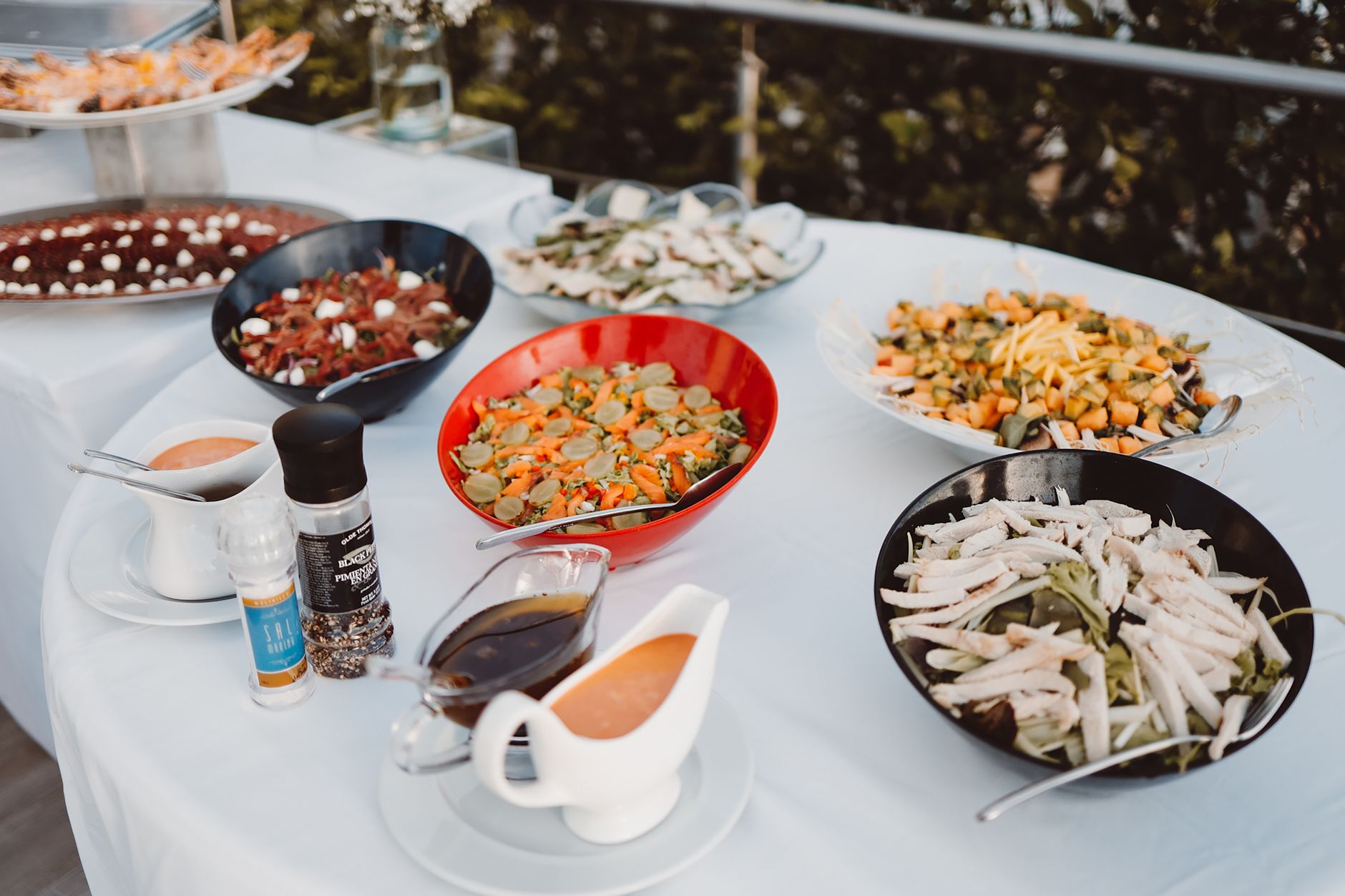
When it comes to salads, the possibilities for pairing and complementing flavors are extensive. Salads can serve as a light main dish, a refreshing side, or an accompaniment to hearty meals. Understanding what goes well with salad can elevate your meal experience, ensuring each bite bursts with flavor.
This guide explores various sides, sauces, and serving ideas that harmonize with salads. Whether you’re preparing a simple green salad or an elaborate mixed feast, these suggestions will enhance your culinary creativity.
What Goes Good with Salad?
Numerous options complement salads, including proteins, vegetables, grains, and sauces. The key is to choose ingredients that enhance the overall flavor and texture without overwhelming the freshness of the salad itself. From grilled chicken and chickpeas to tangy dressings and breadcrumb toppings, the right pairings can transform a salad into a complete meal.
Sides that Pair Well with Salad
Salads can be enjoyed alongside a variety of sides, depending on the occasion and flavor profile desired. Here are some fantastic options to consider:
1. Grilled Proteins
Grilled chicken, steak, shrimp, or fish can make a salad heartier and more filling. Adding a protein boosts nutritional value and provides a satisfying texture contrast.
- Grilled Chicken: Offers mild flavor and pairs well with almost any salad dressing.
- Grilled Shrimp: Adds a touch of elegance and works nicely with citrus-based salads.
- Steak: Bold flavors that complement salads featuring strong bases like blue cheese or creamy dressings.
2. Roasted or Steamed Vegetables
Roasting or steaming vegetables can add depth and warmth to a salad.
- Roasted Sweet Potatoes: Sweetness and creaminess enrich flavors, especially in autumn-inspired salads.
- Steamed Broccoli: Adds a nutritious green element, great for simple leafy salads.
- Roasted Beets: Earthy sweetness, perfect for gourmet salads with goat cheese.
3. Grains and Legumes
Incorporating grains and legumes makes your salad more filling and brings in various textures.
- Quinoa: Its nutty flavor and unique texture complement fresh vegetables beautifully.
- Couscous: A light, fluffy grain ideal for Mediterranean salads.
- Chickpeas: Creating a satisfying protein base, perfect for hearty salads.
Delicious Sauces and Dressings
The dressing can make or break a salad. Here are some classic and exciting options that enhance flavors:
1. Vinaigrettes
Vinaigrettes are versatile dressings that can range from tangy to sweet.
- Balsamic Vinaigrette: Rich and tangy, it complements mixed greens and roasted vegetables.
- Lemon Vinaigrette: Bright and zesty, ideal for fresh herb salads.
- Honey Mustard Vinaigrette: Sweet and sharp, particularly good with chicken salads.
2. Creamy Dressings
Creamy dressings add a luxurious texture and can mellow out more substantial ingredients.
- Caesar Dressing: Rich and tangy; perfect for romaine lettuce and croutons.
- Blue Cheese Dressing: Bold and creamy, ideal with hearty salads like wedge salads.
- Ranch Dressing: A classic that pairs well with crispy veggies and fried foods.
3. Other Interesting Sauces
Expand your dressing repertoire with some unusual but delightful sauces.
- Chimichurri: Adds a fresh, herbaceous flavor, great with grilled beef salads.
- Pesto: Perfect for Mediterranean salads, giving a rich, herby punch.
- Yogurt-based Sauces: Offer tangy creaminess, ideal for Middle Eastern-style salads.
Serving Ideas for Salads
How you present your salads can also influence your dining experience. Here are some creative serving ideas:
1. Layering
Layering ingredients in a jar can create a visually appealing dish. Start with dressing at the bottom, followed by sturdier vegetables, grains, proteins, and greens on top. Just shake and serve when ready.
2. Salad Bowls
Consider serving your salad as a bowl, incorporating grains like farro or rice as a base, topped with colorful vegetables and proteins. This makes for a filling and beautiful presentation.
3. Grilled Salad
Grilling some of your salad ingredients, such as romaine lettuce, can add a smoky flavor and unique texture. Grill halved heads of romaine for a few minutes until charred, then combine with fresh vegetables.
Garnishes to Enhance Your Salad
Garnishing your salad can quickly enhance the flavor and appearance. Here are some garnishes to consider:
1. Nuts and Seeds
Adding nuts or seeds gives a delightful crunch and enhances flavors.
- Walnuts: Their rich flavor works well in spinach and berry salads.
- Pine Nuts: Excellent with Mediterranean salads.
- Sunflower Seeds: Perfect for adding crunch and nutrition to any salad.
2. Fresh Herbs
Fresh herbs brighten up a salad and introduce new flavors.
- Basil: Adds a sweet, aromatic touch, great for tomato salads.
- Cilantro: Pairs well with spicy or tropical salads.
- Chives: Offers a mild onion flavor; excellent in creamy dressings.
3. Cheese
Cheese can add creaminess or a savory bite to salads.
- Feta: Works well in Greek salads and adds a salty flavor.
- Parmesan: Shaves or grated can elevate any salad, great with caesar or arugula.
- Goat Cheese: Works excellently with beets and mixed greens.
Common Mistakes When Pairing Salad Ingredients
Even the most experienced cooks can make mistakes when putting together salads. Here are some common pitfalls and how to avoid them:
1. Overdressing
More is not always better. Begin with a small amount of dressing and add more gradually. Toss well to evenly coat the salad without drowning it.
2. Ignoring Flavor Balance
Ensure a good balance between sweetness, acidity, and savoriness. Don’t hesitate to taste as you create your salad to adjust accordingly.
3. Forgetting Texture
A salad should include a variety of textures: crunchy, creamy, soft, and chewy. Plan your ingredients to achieve this mix for a more enjoyable bite.
Making Salads Ahead of Time
With meal prep becoming increasingly essential, knowing how to make salads ahead of time can save valuable moments during the week.
1. Choose Ingredients Wisely
Use sturdier greens like kale or romaine that won’t wilt as quickly as delicate greens. Opt for roasted or grilled vegetables that hold well in the fridge.
2. Store Dressings Separately
Keep dressings in an airtight jar and dress your salad just before serving to maintain freshness and texture.
3. Use Airtight Containers
Store prepped salads in airtight containers to retain freshness, with different compartments for various salad components when possible.
Storage and Reheating Guidance
If you prepare salads ahead or have leftovers, proper storage is essential to maintain flavor and safety:
1. Storing Ingredients Separately
Vegetables, proteins, and dressings should be stored separately to maximize shelf life and maintain quality.
2. Refrigeration
Chill salads and all ingredients immediately after preparation. Most salads keep well for 1-3 days in the fridge.
3. Reheating
Generally, salads are best served cold and should not be reheated. If grains or proteins need reheating, do so separately before adding to salads.
Final Thoughts on What Goes Good with Salad
Pairing the right sides, sauces, and flavors with salads can transform a basic dish into an exciting meal full of textures and tastes. Explore different combinations, experiment with ingredients, and enjoy the endless options our salads can provide.
Start with a simple green salad and expand your offerings with these tips. For detailed recipes, check out our Waldorf Salad Recipe and try the refreshing Thai Cucumber Salad Recipe.