
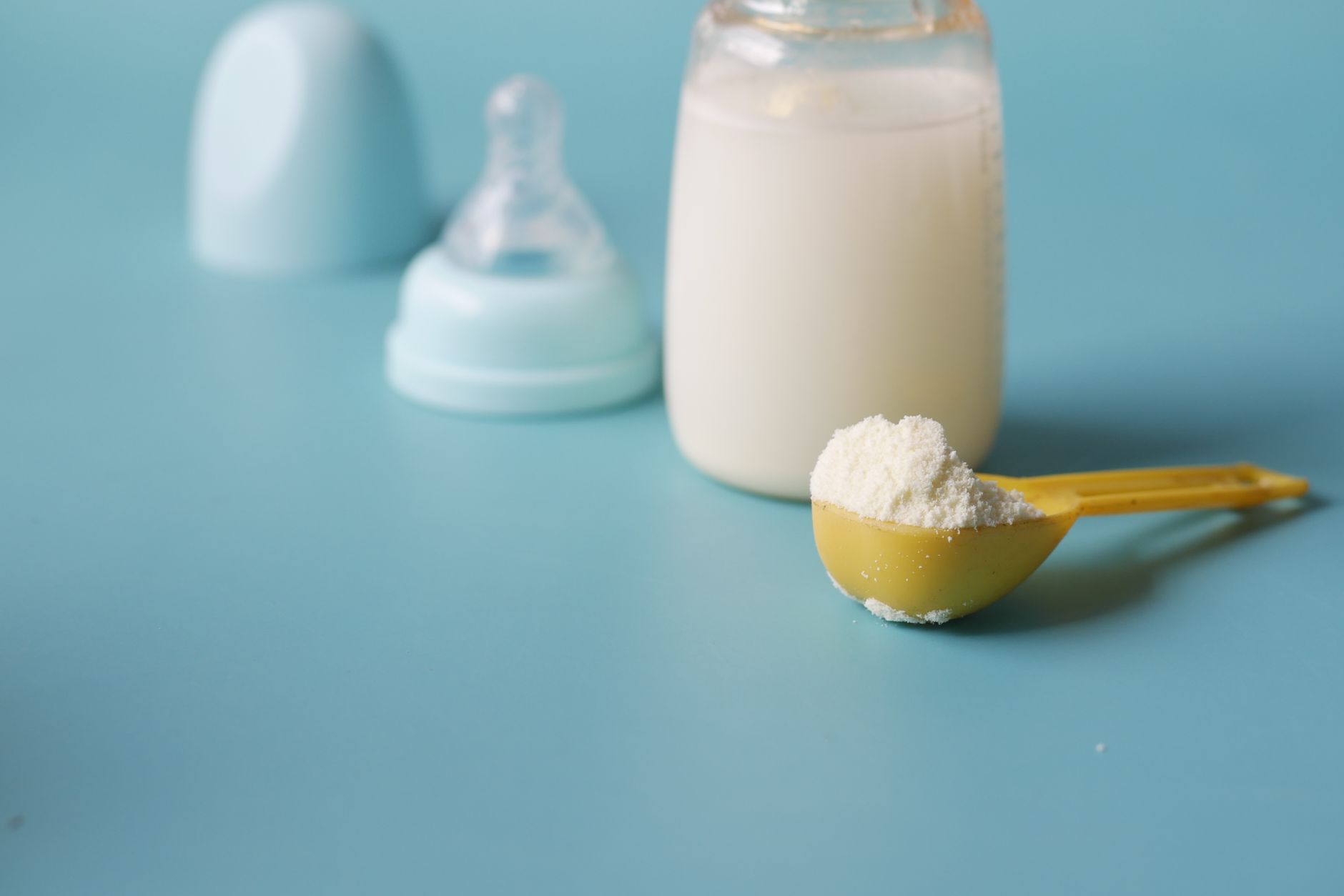
When it comes to feeding infants, knowing how long prepared formula remains safe to consume is crucial for parents and caregivers. Understanding storage times helps prevent waste and ensures that babies get the nutrition they need to thrive. This guide explains how long formula is good for after making it, best practices for storage, and tips for preparing formula safely.
Formula is an essential source of nutrition for many babies, but it is also perishable. Its safety can be affected by how it is prepared and stored. Let’s delve into the specifics of how long you can keep prepared formula and the best practices surrounding its storage.
How Long Is Formula Good for After Making It?
Prepared infant formula is generally safe to consume for up to two hours at room temperature. If you refrigerate it, it can last for up to 24 hours. However, once a baby has begun drinking from a bottle, any remaining formula should be used or discarded within one hour to prevent bacterial growth. Always remember that these time frames are guidelines, and factors such as temperature and cleanliness can affect the safety of the formula.
Key Factors Affecting Formula Safety
Several factors influence how long prepared formula stays safe to use. Understanding these can help you maintain the formula’s quality and safety.
- Preparation Environment: Always prepare formula in a clean area to minimize the risk of contamination. Washing hands and using clean bottles and nipples are essential.
- Temperature: The ambient temperature of the storage location directly affects how long the formula can remain safe. Room temperature generally allows for a shorter lifespan compared to refrigeration.
- Expiration of Ingredients: Always check the expiration dates on formula powder and packaging. Using expired ingredients can compromise the safety and nutritional quality of the final product.
- Batch Size: Small batches of formula are less likely to go to waste. Preparing only what your baby will consume within a safe timeframe can help prevent spoilage.
Proper Storage Methods for Prepared Formula
The proper storage of prepared formula is vital for maintaining its safety. Here are some key methods to ensure its longevity:
Storage at Room Temperature
If you prepare formula but plan to use it immediately, it can stay at room temperature for up to two hours. After that, it must either be consumed or refrigerated. If it’s left out for longer than two hours, it should be discarded, even if it looks and smells fine.
Refrigeration
Once prepared, formula can be stored in the refrigerator for up to 24 hours. To maximize freshness:
- Store prepared formula in the back of the refrigerator where it is coldest.
- Use airtight containers to avoid exposure to air, which can cause spoilage.
- Label the container with the date and time it was made to keep track of freshness.
Thawing Frozen Formula
If you choose to prepare formula in advance and freeze it, it is important to follow safe thawing practices. Frozen formula can be stored for about three months. When ready to use, thaw it in the refrigerator. Never refreeze formula once thawed. Once thawed, it should be used within 24 hours.
Feeding Practices and Leftover Formula
When feeding your baby, understanding what to do with leftover formula is crucial:
- Once your baby has begun drinking from a bottle, any unused formula should be discarded after one hour.
- If your baby does not consume the entire bottle, do not save it for later. Bacteria can grow in the milk after it has been in contact with saliva.
Signs of Spoilage in Formula
Even when adhering to storage guidelines, it is essential to check for signs of spoilage in prepared formula. Some signs include:
- Changes in Smell: A sour or off smell can indicate spoilage.
- Separation: If the formula separates and does not mix easily when shaken, it may no longer be safe to feed.
- Strange Color or Texture: Any unusual changes in color or an altered texture, such as clumps, can signal spoilage.
Common Mistakes to Avoid with Formula Preparation
Here are some common mistakes that caregivers should avoid when preparing and storing formula:
- Using Expired Ingredients: Always check the expiration date on your formula powder and follow the manufacturer’s guidelines.
- Not Refrigerating Promptly: Do not leave prepared formula out for too long before moving it to the refrigerator.
- Reusing Leftovers: Do not save leftover formula once your baby has started drinking from the bottle.
Practical Tips for Formula Preparation
To ensure the best outcomes when preparing formula, consider the following tips:
- Measure Accurately: Use the correct water-to-formula ratio as specified on the formula packaging to ensure proper nutrition.
- Warm Before Feeding: If your baby prefers warm formula, it can be warmed in a bottle warmer or by placing the bottle in a bowl of warm water. Avoid using a microwave to warm formula as it can create hot spots.
- Test Temperature: Always test the formula temperature on your wrist before feeding to ensure it is not too hot.
Frequently Asked Questions about Formula Storage
Can I prepare formula in advance?
Yes, you can prepare formula in advance, but always store it in the refrigerator and use it within 24 hours.
What do I do if my baby won’t drink the formula within an hour?
If the formula is not consumed within an hour, it should be discarded to avoid the risk of bacterial growth.
Is it safe to reuse a bottle with leftover formula if I clean it?
No, once a bottle has been used for feeding, any leftover formula should be discarded. Cleaning the bottle does not eliminate the risk of bacterial contamination.
Conclusion
Understanding how long prepared formula is good for after making it is essential for ensuring your baby’s safety and health. Always adhere to recommended storage times, watch for signs of spoilage, and practice safe feeding techniques. By following these guidelines, parents can confidently prepare and store infant formula to meet their baby’s nutritional needs.
For related information, explore our guides on how long is cooked ground beef good in the fridge and how long cottage cheese lasts after opening.