
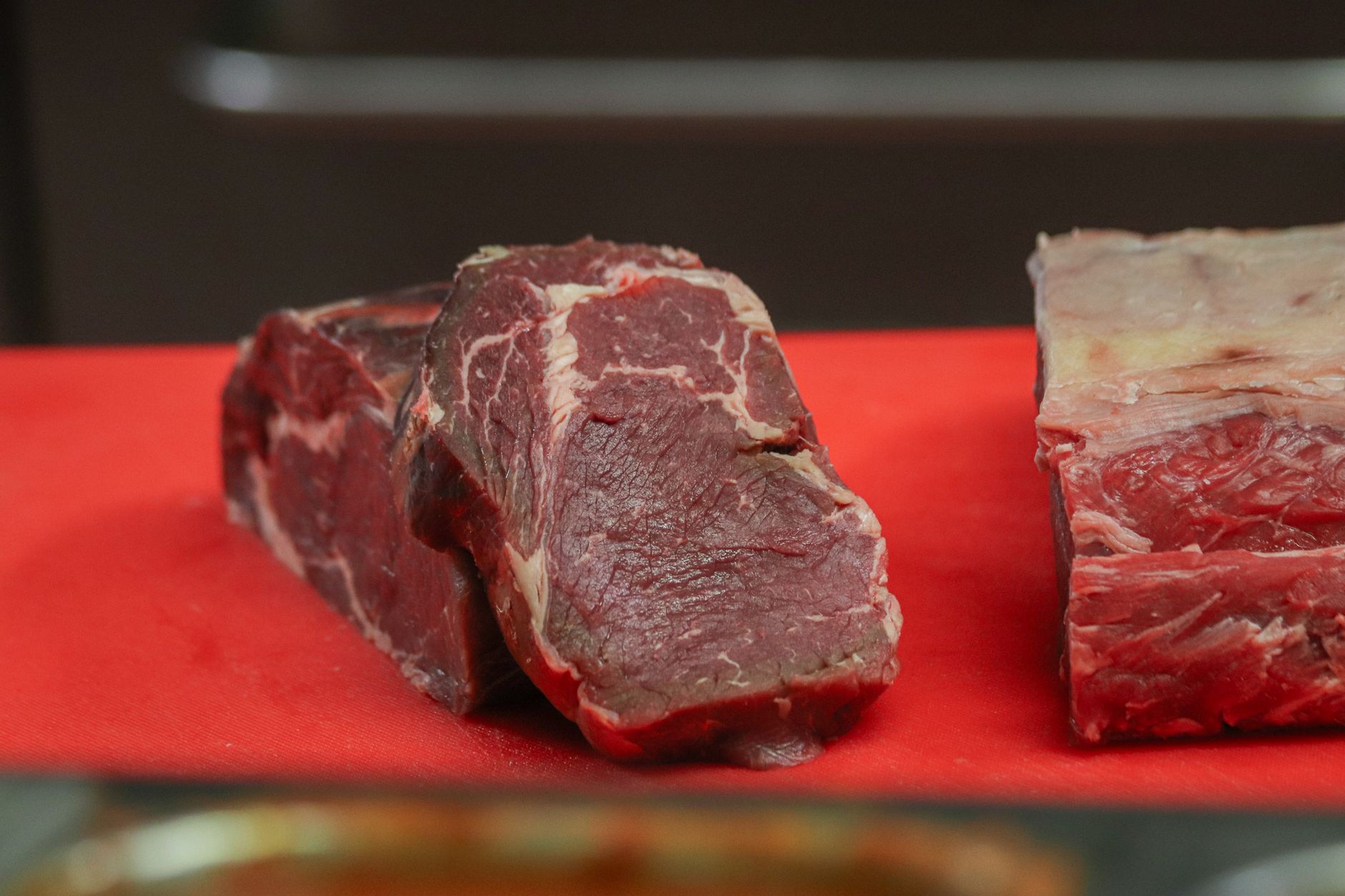
Purchasing half a cow can seem like a daunting commitment, but it often represents both economical and culinary advantages for avid meat lovers and home cooks. This guide will explore the costs, pricing structures, and key considerations when deciding to buy half a cow, including how to prepare for the purchase and what to expect in terms of quantity.
From understanding the pricing to breaking down the meat cuts, this article will equip you with the knowledge you need to make informed decisions about buying half a cow. Whether you are looking for a cost-effective protein solution or wanting to explore different cuts of beef, you will find the information helpful.
How Much Is 1/2 a Cow?
The price of half a cow typically ranges between $1,000 and $2,000, but the exact cost can vary based on a variety of factors. Generally, the price per pound of live weight falls between $4 to $8, including processing fees. This often translates to a lesser cost per pound than purchasing individual cuts at the grocery store.
Factors Influencing the Price
Several factors influence the cost of half a cow, including:
- Location: Prices can vary widely by region due to supply and demand, as well as local livestock prices.
- Quality of Meat: Grass-fed beef typically costs more than grain-fed beef due to the higher costs associated with raising cattle on pasture.
- Processing Fees: These are fees charged by the butcher, which can add up. Ensure to understand what these fees will entail before purchasing.
- Live Weight: The heavier the cow, the more meat you will receive. Keep in mind that approximately 40% to 50% of the live weight will yield usable meat after processing.
Understanding Cow Weight and Yield
When purchasing half a cow, it is essential to understand the terms regarding weight and yield. The two most critical measurements are live weight and hanging weight.
Live Weight vs. Hanging Weight
Live weight refers to the weight of the cow before it is slaughtered. After slaughtering and processing, the hanging weight is typically about 60% to 65% of the live weight. The hanging weight is what your butcher will use to calculate the final price. This hanging weight will then be broken down into various cuts of meat.
Expected Yield
When you purchase half a cow, you can expect to receive between 200 to 300 pounds of meat, depending on the cow’s size. This will include various cuts such as steaks, roasts, and ground beef. Here is a general breakdown of what to expect:
- Ground Beef: Approximately 50-60% of your total yield
- Steaks: Roughly 25-30% including cuts like ribeye, sirloin, and filet mignon
- Roasts: About 10-15% from chuck and round
- Other Cuts: Leftovers can include short ribs and brisket
Choosing the Right Butcher
Selecting the right butcher is crucial for ensuring that your meat is of high quality and properly processed. Here are some tips:
- Do Your Research: Look for local butchers with good reviews. Talk to friends or family for recommendations.
- Inquire About Sourcing: Ask where the meat comes from and whether it is grass-fed or grain-fed.
- Discuss Processing Options: Make sure you understand how the meat will be processed, including cutting preferences, aging, and packaging.
- Ask About Delivery: Some butchers offer delivery services, which can save time after your purchase.
Processing and Packing
After purchasing half a cow, discuss processing options with your butcher. Processing typically includes:
- Break down of large cuts into smaller, manageable portions
- Vacuum sealing or wrapping for optimal freshness
- Labeling for easy identification
Most butchers will ask your preferences on how you want your meat cut and packed. Common considerations include:
- Thickness of steaks
- Size of roasts
- Desired amounts of ground beef and other cuts
Storage and Preservation
Once you have your half cow, proper storage is essential for maintaining its freshness. Follow these guidelines:
- Freezing: Use a deep freezer to store your beef if it will not be consumed within a few days. Make sure to vacuum-seal cuts to prevent freezer burn.
- Storage Time: Beef can be stored in the freezer for several months to up to a year, while vacuum-sealed cuts maintain quality longer.
- Thawing: Thaw beef in the refrigerator rather than at room temperature to prevent bacteria growth.
Budget Considerations
Buying half a cow can be a remarkable budget-stretching option for meat consumption. Here’s a quick breakdown of the cost-savings:
- Calculate the price per pound based on the purchase price and expected yield.
- Compare this to local supermarket prices for individual cuts.
- Factor in potential savings on less expensive cuts, such as roasts and ground beef.
Also, keep in mind that with a larger purchase, it can be easier to plan meals around your beef cuts. A little meal planning can go a long way in ensuring efficient use of your meat supply.
Cooking Techniques and Preparation
Cooking beef can vary widely based on the cut. Here are general methods and tips for various cuts you might receive:
Steaks
- Grilling: Excellent for ribeye and sirloin, using high heat creates a beautiful sear.
- Pan-Searing: Ideal for smaller cuts, sear in a hot skillet with some oil, then finish in the oven if needed.
- Resting: Always let steaks rest for a few minutes before cutting to retain juices.
Roasts
- Slow Cooking: Chuck roasts benefit from low and slow cooking methods, such as braising.
- Craving Flavor: Use plenty of herbs, spices, and aromatics when roasting.
Ground Beef
This versatile option allows for a variety of recipes:
- Browning: Use for burgers, meatballs, or sauces.
- Storing: Ground beef can be cooked in bulk and stored in portions for meal prep.
Common Mistakes and Troubleshooting
When cooking beef, mistakes can happen. Here are a few common pitfalls and how to avoid them:
- Overcooking: Use a meat thermometer to avoid overcooking steaks, aiming for 130°F for medium-rare.
- Not Preheating: Always make sure your cooking surface is hot to achieve a nice sear.
- Skipping the Butchering: If you’re unsure how to prepare certain cuts, consult recipes or ask your butcher for advice.
Conclusion
Purchasing half a cow is an investment that can offer significant savings and a bounty of beef. By understanding the costs, types of meat, and best practices for cooking and storing, you can make the most of your purchase. This approach is not just economical but can also enhance your culinary repertoire.
For more insights on meat storage and cooking, explore our detailed articles on how long ground beef is good for in the fridge and what a flat iron steak is. Happy cooking!