
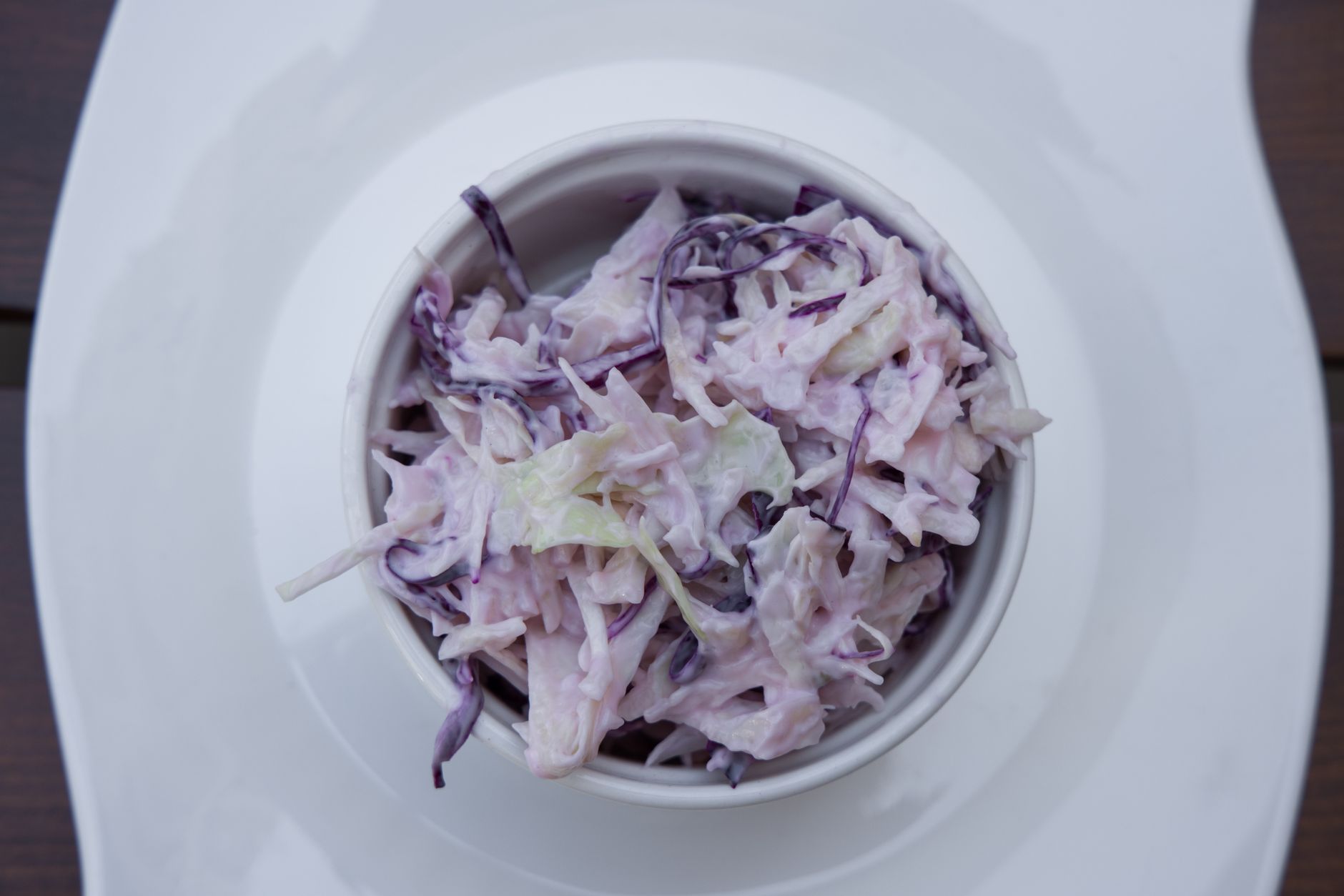
Coleslaw, a popular salad made primarily from finely shredded raw cabbage and dressed in a vinaigrette or creamy dressing, serves as a refreshing side dish in many meals. However, if you have gluten sensitivities or are following a gluten-free diet, you may wonder: Is coleslaw gluten-free?
The answer largely depends on the ingredients used in the dressing. Traditional coleslaw can be gluten-free but always requires careful attention to labels and ingredients. This guide will explore the ingredients, label-reading tips, and variations to help you enjoy coleslaw safely and deliciously.
Is Coleslaw Gluten Free?
Coleslaw can be gluten-free, but it hinges on the ingredients used, specifically the dressing. Most basic coleslaw recipes consist of cabbage, carrots, and a dressing containing mayonnaise, vinegar, or oil, all of which can be gluten-free. However, when store-bought dressings are involved, gluten can enter the mix. Always check labels to ensure safety.
Common Ingredients in Coleslaw
To understand whether coleslaw is gluten-free, it’s essential to break down its ingredients. Here are the common components found in traditional coleslaw:
- Cabbage: The main ingredient, cabbage is naturally gluten-free.
- Carrots: Typically added for sweetness and color, carrots are also gluten-free.
- Dressing: This is where gluten can sneak in. Common dressings include:
- Mayonnaise: Most mayonnaise brands are gluten-free, but always verify the label.
- Vinegar: Regular vinegar is gluten-free, but malt vinegar, which is made from barley, contains gluten.
- Mustard: Some prepared mustards and condiments may contain gluten, so check the ingredients.
- Packaged coleslaw dressing: Many commercial dressings may contain gluten. Always read the label thoroughly.
- Enhancers: Ingredients like sugar, salt, celery seed, or onion can typically be gluten-free.
Label-Reading Tips for Gluten-Free Coleslaw
When purchasing coleslaw or its ingredients, careful label reading is vital to avoid gluten. Here are some tips to navigate the labels:
- Look for wheat-based terms: Familiarize yourself with terms like wheat, barley, rye, or any derivations.
- Check for gluten-free certifications: Brands that specifically label their products as gluten-free have adhered to guidelines that ensure they’re safe for consumption.
- Examine ingredient lists: Even if a product claims to be gluten-free, always read the ingredients for hidden gluten, especially in dressings.
- Contact manufacturers: If in doubt, reach out to manufacturers to inquire about potential cross-contamination during production.
Making Your Own Gluten-Free Coleslaw
Creating your own coleslaw at home is one of the easiest methods to ensure the dish is gluten-free. Below is a simple recipe for gluten-free coleslaw:
Easy Gluten-Free Coleslaw Recipe
This recipe serves approximately 6 to 8 people and takes about 15 minutes to prep.
- Ingredients:
- 1 medium head of green cabbage, finely shredded
- 2 medium carrots, grated
- 1 cup gluten-free mayonnaise (check the label)
- 1 tablespoon apple cider vinegar (or lemon juice)
- 2 tablespoons honey or sugar (optional, to taste)
- Salt and pepper to taste
- Optional: shredded red cabbage or other veggies for color and crunch
Instructions:
- In a large bowl, combine the shredded green cabbage and grated carrots.
- In another bowl, mix the gluten-free mayonnaise, apple cider vinegar, honey or sugar, salt, and pepper until smooth.
- Pour the dressing over the cabbage and carrots, tossing to coat evenly.
- Cover and refrigerate for at least 30 minutes to allow flavors to develop.
- Serve chilled, and enjoy!
Practical Substitutions for Gluten-Free Coleslaw
If some ingredients don’t quite match your taste or dietary needs, here are substitutions you can consider:
- Mayo: You can use yogurt for a tangy version or a vegan mayonnaise substitute to make it dairy-free.
- Sugar: Maple syrup or agave syrup can serve as a natural sweetener.
- Vinegar: Lemon juice or lime juice can impart a fresh zing if you don’t have vinegar on hand.
- Vegetables: Experiment with add-ins like diced peppers, diced celery, or even chopped herbs like parsley or cilantro for added flavor.
Common Mistakes to Avoid
When preparing coleslaw, especially ensuring it’s gluten-free, keep these pitfalls in mind:
- Using regular vinegar or dressings that may contain gluten.
- Skimping on the mixing, as the dressing needs to coat all ingredients evenly for the best flavor.
- Serving immediately—allowing the coleslaw to chill enhances its flavor and texture.
Storage and Serving Suggestions
For the best experience, store your prepared coleslaw correctly:
- Storage: Keep it in an airtight container in the refrigerator. Consume within 3-5 days for optimal freshness.
- Serving: Coleslaw is a versatile side that pairs well with grilled meats, barbecues, and sandwiches. It can also serve as a topping for tacos or burgers.
Exploring Coleslaw Variations
If you’re feeling adventurous, numerous variations of coleslaw can be adapted to suit different tastes while still remaining gluten-free:
Asian Coleslaw
This variation includes ingredients such as coleslaw mix with shredded cabbage, carrots, and a dressing made from sesame oil, soy sauce (ensure it’s gluten-free), and rice vinegar. Add nuts or seeds for crunch.
Thanksgiving Slaw
In this festive version, add cranberries and pecans to standard coleslaw ingredients, dressed lightly with a maple vinaigrette for a seasonal flair.
Gluten-Free Coleslaw FAQs
To assist further, here are some common inquiries about coleslaw and gluten:
Can coleslaw dressing contain gluten?
Yes, some store-bought dressings, particularly those that use malt vinegar or wheat as a thickener, may contain gluten. Always check the label.
Is bagged coleslaw safe for a gluten-free diet?
Bagged coleslaw that only contains cabbage and carrots is usually gluten-free. However, if it includes a dressing packet, read the ingredients carefully.
What is the best gluten-free dressing for coleslaw?
A homemade dressing using gluten-free mayonnaise, vinegar, and seasonings is often the best choice for ensuring a gluten-free meal.
Conclusion
Coleslaw can indeed be gluten-free, provided that one chooses the right ingredients and reads labels carefully. With the flexibility to create your own dressings and a variety of additions, coleslaw can suit any meal while adhering to a gluten-free lifestyle.
For related culinary adventures, explore our Asian coleslaw recipe or take a look at the Thanksgiving slaw recipe for some seasonal inspiration.